



One Hour, on Finding Fringe, which is usually dedicated to POLITICS, or the force within us, or that which should be in us — the collapsing world within and without ourselves, though as Tiokasin Ghosthorse said on my radio show:
Indigenous governance and kinship systems are deeply rooted in the very specific laws of a particular land base. And that looks different everywhere. There is no word for ‘environmentalist’ for Native people. It’s just how we are. Our thoughts are always placing Earth as our Elder.
Let’s begin with magic. As I understood it from an understanding of where the language came from in Latin, magic, and that word comes from magi. ‘Magi’ means to use the tools of the Earth properly. What does a bird do? It makes magic by flying. The fish makes magic by swimming in something we cannot live in.
You think about all those processes that these animals or beings live by and through; it’s magic to us. […] If you go forward with the word ‘Wakan’ in our language, in English, it simply means to be conscious — to consciously apply mystery to everything.”
He is about decentering the human experience.
But the show and my guests are all about centering the conversations on their journeys, and the magic of their writing, or songs or art, and even their science, as in marine studies, etc.
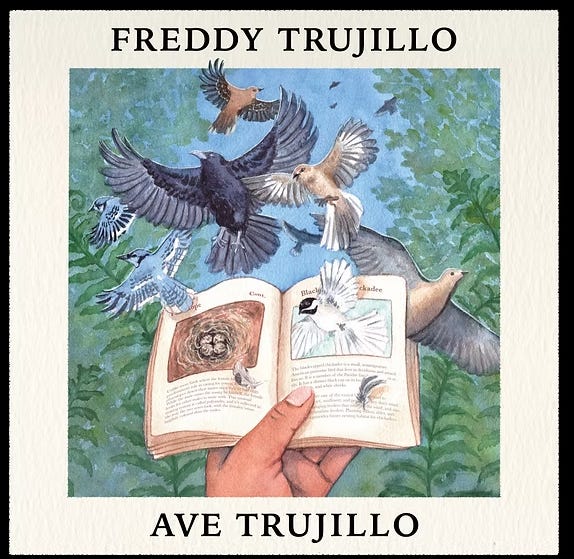
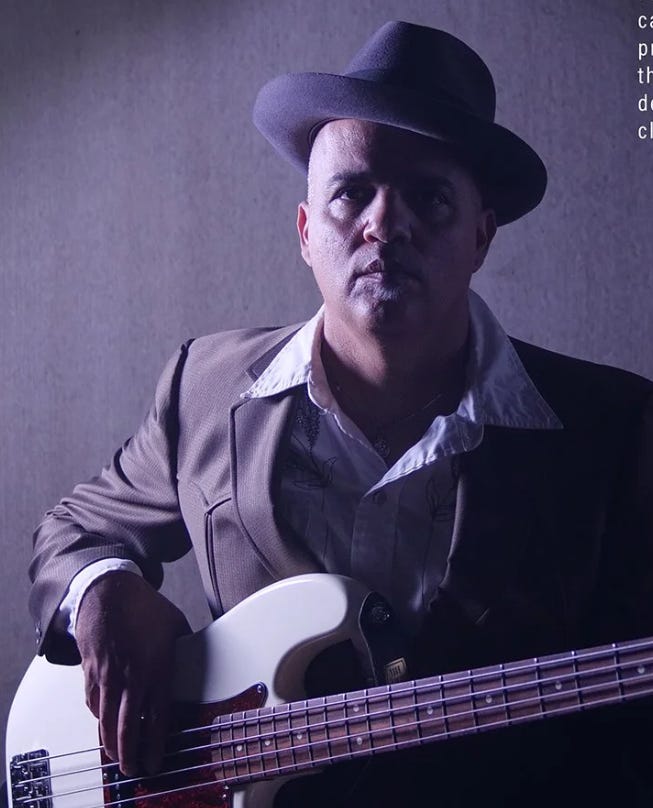
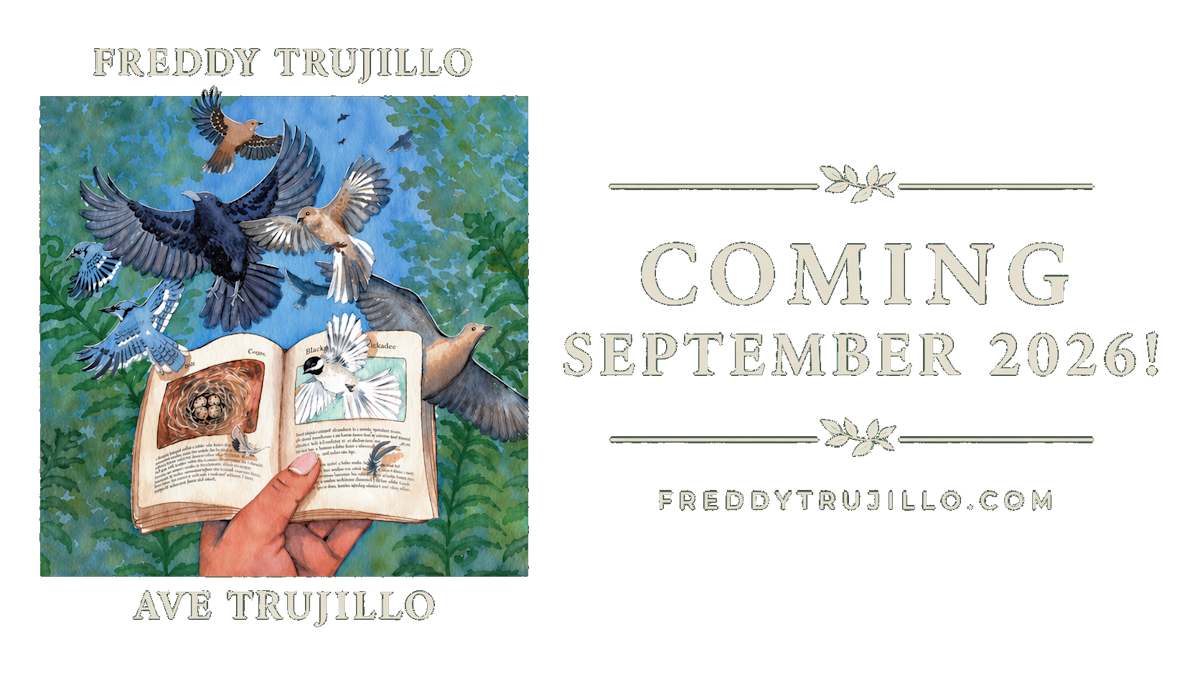
Freddy’s music flies, even soars, as he takes his own rural roots in Simi Valley to the urban funk of Portland. He’s toured across the states and globe. He’s got a new album out, Ave Trujillo, all about the birds, and he spoke about this new release (Sept. 25, and the party is Sept. 27 at Portland’s Mississippi Studios). When he came to Newport a few months ago as part of Rural Progress’ Backroads Tour:
Each week over the next few months, we’ll announce new artists anchoring different legs of the tour, representing the full range of America’s rural roots — from country and folk to Americana, gospel, blues, and beyond.
That was July 2 with Marigold as performer and MC:

Listen to the interview and two songs I played, including the single from the new album, “Black-capped Chickadee.” The record is inspired by Freddy’s own love of birdwatching and features this species’ signature call.
Freddy stated, “Black-capped Chickadee is the most straightforward song on the record. After discussing it with other musicians, we decided that not only would it be a good opener for the record but a good first single to set up the idea of the record, which is a bird-themed record. The bird itself is a very common backyard bird that you see often in a feeder. So, this song was mostly based on the song of the actual bird and its behaviors. They make that Chickadee dee dee beat and melody as one of their songs. The song is also a circle of life. Starting from one bird, then it finds a mate to finally having kids. I researched whether they mate for life. It said that they don’t often do. So, I made the joke line about the “boys at the feeder say your life is done, we’ll see next spring if she is the one? Men will often say that to each other when getting married. Because it is a common backyard bird, I chose a backyard bluegrass type vibe, which ended up with a bit of zydeco to it.”
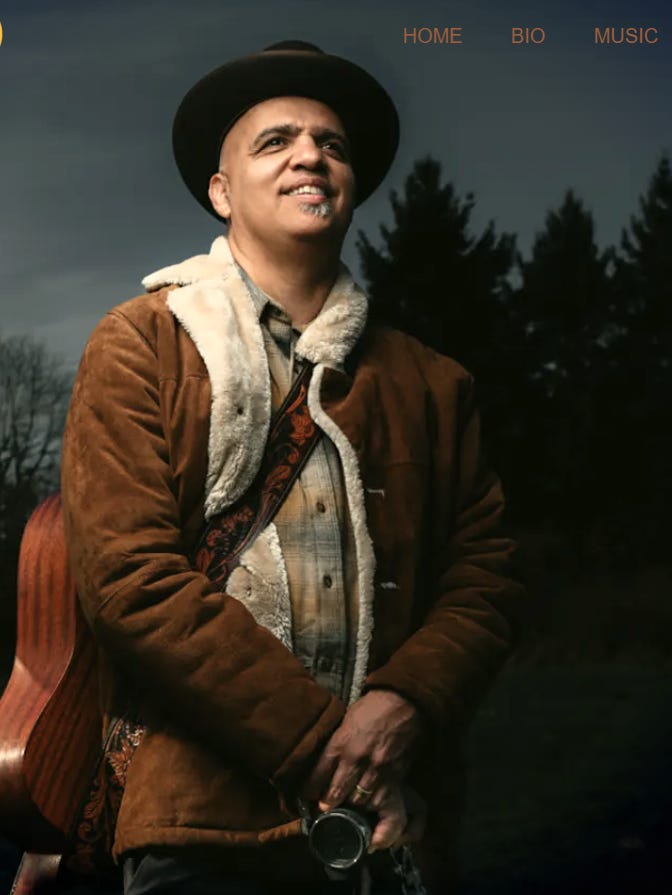
Skyward, man, look to the sky!
When he was in Newport, he made it clear that his whimsical side comes through, but also his life, his own experiences and others:
“I usually write songs about my life or memories,” he says of the song. “[This song] is about a personal incident I had with the LAPD in 1992. All songs, except ‘Corpus Christi’ and ‘Remember,’ are personal songs or about someone that is close to me.”
“I am not sure. I haven’t fit in very well up to this point. Although, I have been waiting for a time like this. I feel there are many Latino artists doing experimental things. Artists like Adrian Quesada, Gaby Moreno, Chicano Batman, Sacred Souls, and Angelica Garcia are moving things into new territory. I hope I can get noticed by the people that are putting these artists on the map. Latin music has always been so safe. Whether it be Mexican polkas or Latin dance grooves like Reggaeton, it’s been safe. I wanted to make a record that didn’t feel safe, but really spoke the truth, from my experiences.”

Songs like “I Didn’t Cross The Border, The Border Crossed Me, “Mexican Hearts,” “World There Haunting Me,” and “Many Years of Minding” are eye-opening, cut-to-the-bone tales of life as a Chicano growing up in the United States. Growing up feeling like he never fit in may have worked to Trujillo’s advantage in the long run, something he feels may give his music an edge.
“I don’t think I fit in anywhere,” he says with honesty. “I think it is a weird place to be. It is a good place when you finally get noticed, but it can feel a little lonely when you don’t have that scene. I realize I need to get out of Portland more often because I don’t feel like I fit anywhere locally.”
Though the record came out as he heard it in his head when he was writing it, there are parts of the record that surprised him, and still surprise him, when he listens to it.
“I think some of the guitar work that Ag Donnaloa and Kenny Coleman did was way different than I expected,” he exclaims. “Especially ‘Mexican Hearts.’ They came up with a guitar line that almost seemed out of the ordinary. It really grew on me. That is what is cool about collaboration. The tune ‘Windows’ was the last to arrive on the list. I had Patricia Rojas come in to record violin on it, and she added vocals. That song is a clue to the new direction of my work. I have started singing duets with her, and we just brought in a Chicana stand-up bass player.”
Not to be confused with this Freddy:
His homage to Freddy Fender, man, kick-ass, and that’s Freddy’s way — Trujillio isn’t afraid to give up the music and score to the biographical reality of the folks he writes about:
Check out a long session here:
Nine years ago — Little Birds:
What is the measure of a man, Chicano, California-born, with roots deep in Atzlan, man, with family going way back in the history of this country?
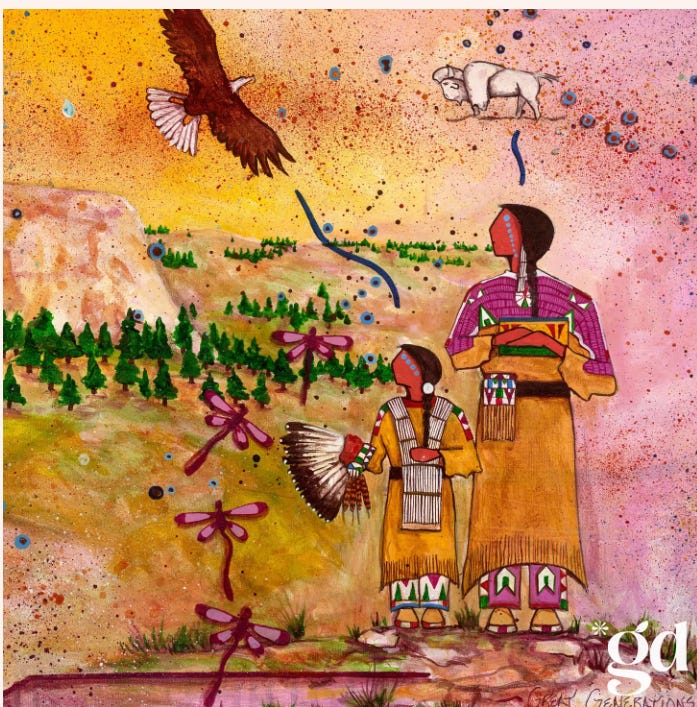
We were at least thinking deeply about braceros and Chavez Ravine and the LA Dodgers. Thinking hard about the ICE Gestapo covering the land with AR-15s and tanks.
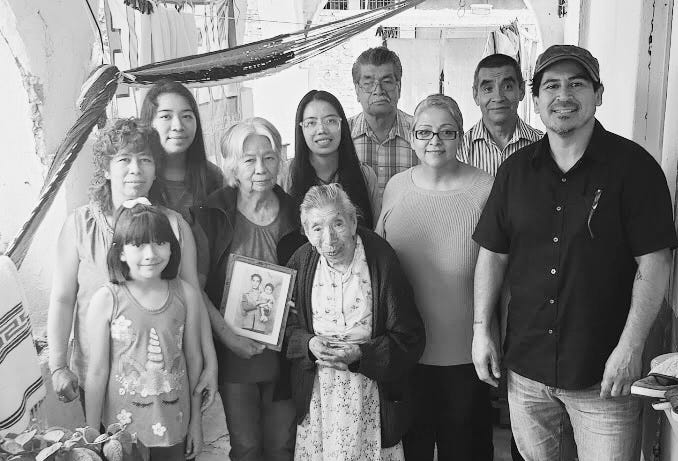
Deportees
The crops are all in and the peaches are rotting,
The oranges piled in their creosote dumps;
They’re flying ’em back to the Mexican border
To pay all their money to wade back again
Goodbye to my Juan, goodbye, Rosalita,
Adios mis amigos, Jesús y María;
You won’t have your names when you ride the big airplane,
All they will call you will be “deportees”
*****
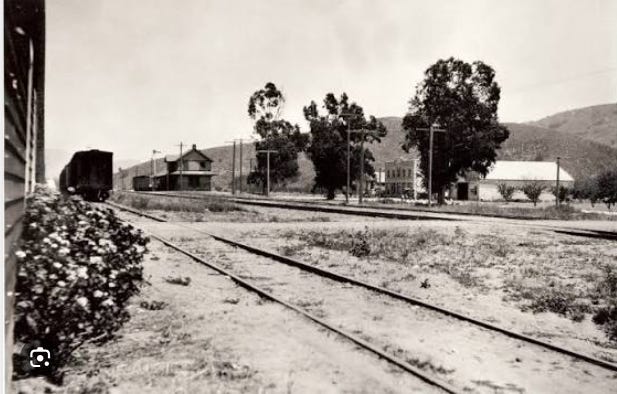
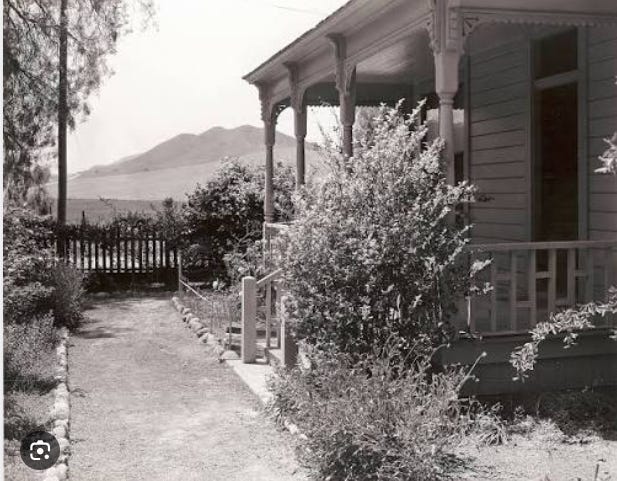
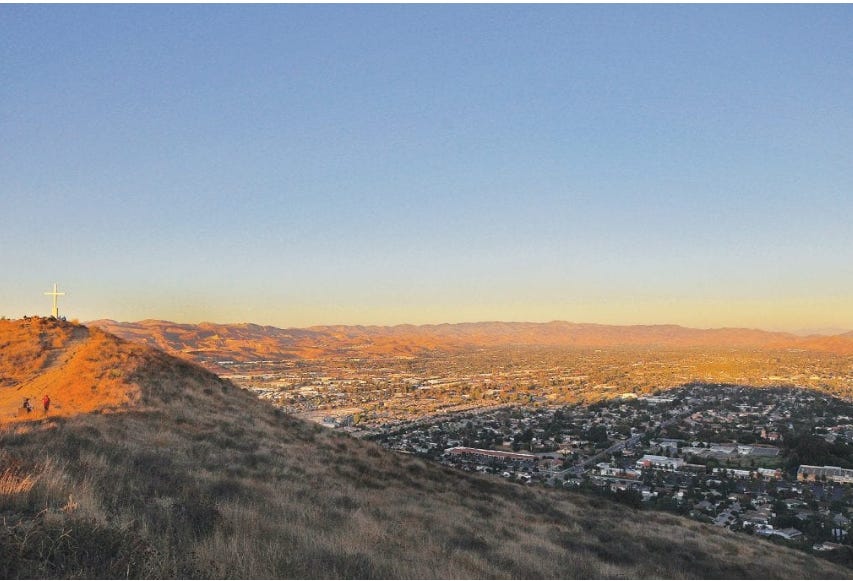
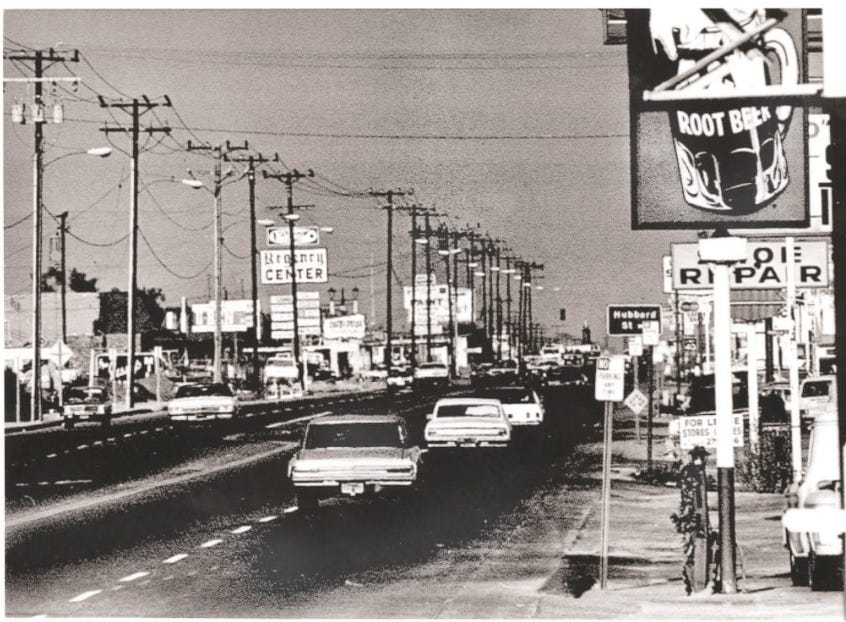
Freddy and I talked about his early days in the 1980 when Ventura County was an okay place for Latino families, where poverty wasn’t smack in your face, where kiddos could ride horses and swim in the irrigation canals.
But again, it’s about history: National Poetry Month: Braceros, A Deportation, A DC-3 in Flames, & 28 Nameless Dead in Los Gatos Canyon
“Brought to poetic, filmic life through the prism of Tim Z. Hernandez, un verdadero poeta and kick-ass multi-talented artist”
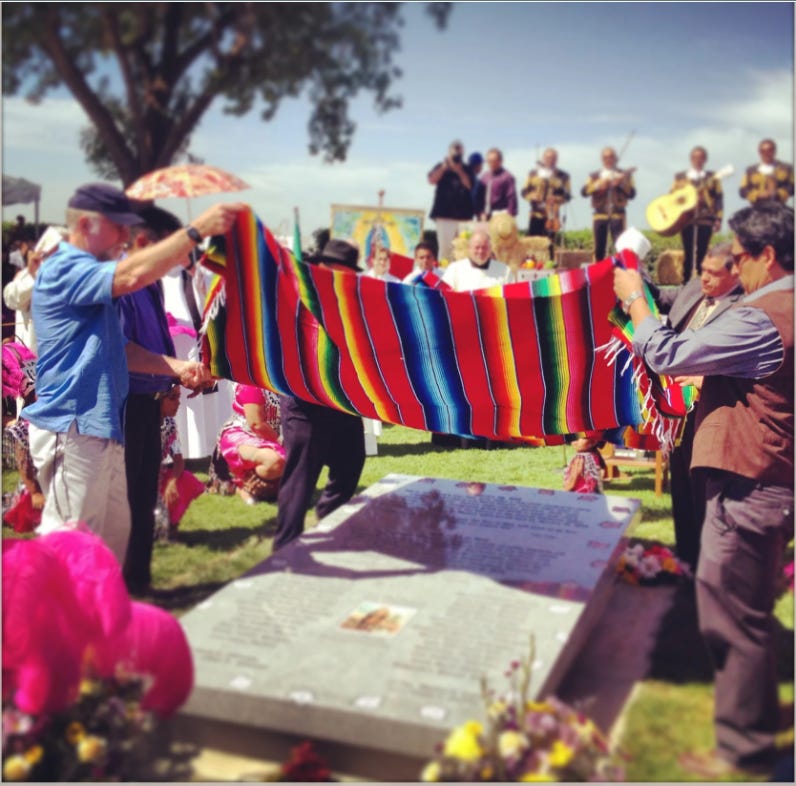
Thirty years ago I was teaching this shit:
Laboratory studies and case reports of accidental exposure to large amounts of chemicals indicate that there are immediate and long-term negative health consequences of exposure to agricultural chemicals. Logically, the consequences of chronic low-level exposure also should be negative. Establishing a connection, however, between the more usual (chronic, low-level) exposure experienced by farmworkers and health outcomes using epidemiological methods has been difficult. In this article (Chronic Agricultural Chemical Exposure Among Migrant and Seasonal Farmworkers), we examine the reasons why this has been difficult, using specific examples from our ongoing research in rural North Carolina. We argue that because of the diverse nature of farming systems in the United States and the social organization of farm work, the combination of social-science methods for establishing the patterns of exposure and for devising appropriate measures with epidemiological methods for linking exposure to outcomes may provide the best methodological approach for studying this problem.
The disruption of the natural ecosystem by farming and the large population concentrations that have resulted from food production have led to a variety of health threats to humans. These health threats are both direct (e.g., parasitic and infectious diseases) and indirect (e.g., malnutrition and disease as a result of famine from plant disease-induced crop failure). Technological advances of modern agriculture therefore have included techniques to control these health threats. Chief among these has been the dependence on chemicals. Agricultural chemicals are a diverse class of substances used to control crop pests (pesticides, including insecticides, herbicides, fungicides, rodenticides, nematicides, acaricides, mollusicides, piscicides, and avicides) and enhance production (fertilizers, ripening agents, and fuels). These pesticides and other chemicals come in different forms, including gas, liquid, dust, and granular. They are applied through spray, in irrigation water, and from the air. Although new products and techniques (no-till agriculture, integrated pest management) are being developed to reduce the amounts of chemicals and therefore the potential environmental and human-health effects of these agricultural chemicals, chemicals remain important and widely used.
Ironically, just as chemicals are meant to assist humans through crop protection and enhanced production, they pose a serious health threat to those who work most closely with them, including seasonal and migrant farmworkers. For as long as there has been large-scale agriculture in the United States, there has been a seasonal labor force to cultivate and harvest it. The harshness of farmworkers’ lives has been a constant, characterized by deprivation and disease.
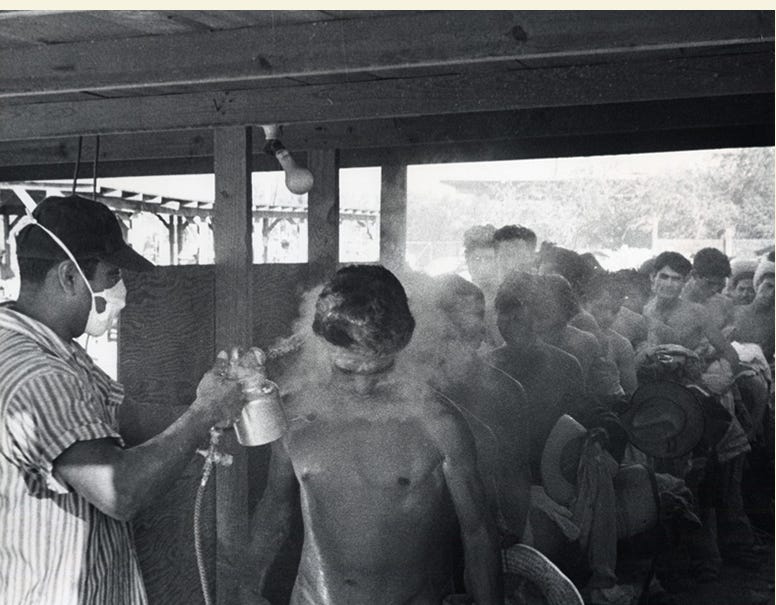
[Bracero workers being fumigated at Hidalgo Processing Center, photograph by Leonard Nadel, Texas, 1956]
President Truman pronounced in 1951 that
“[w]e depend on misfortune to build up our force of migratory workers and when the supply is low because there is not enough misfortune at home, we rely on misfortune abroad to replenish the supply” (Migratory Labor in American Agriculture 1951).
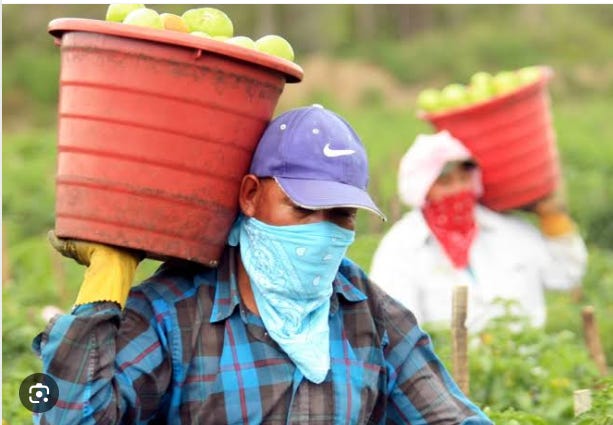
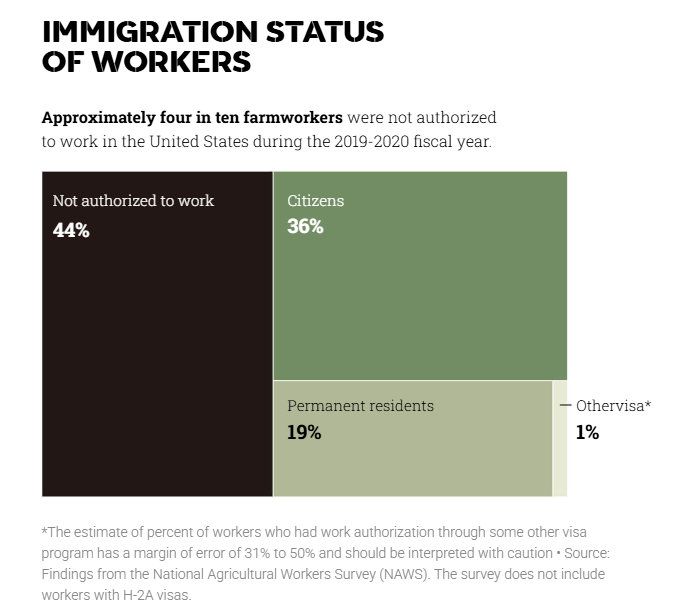
Today over 85% of the fruits and vegetables produced in this country are hand-harvested or cultivated (Oliveira et al. 1993) by workers who have little power to control their exposure to chemicals.
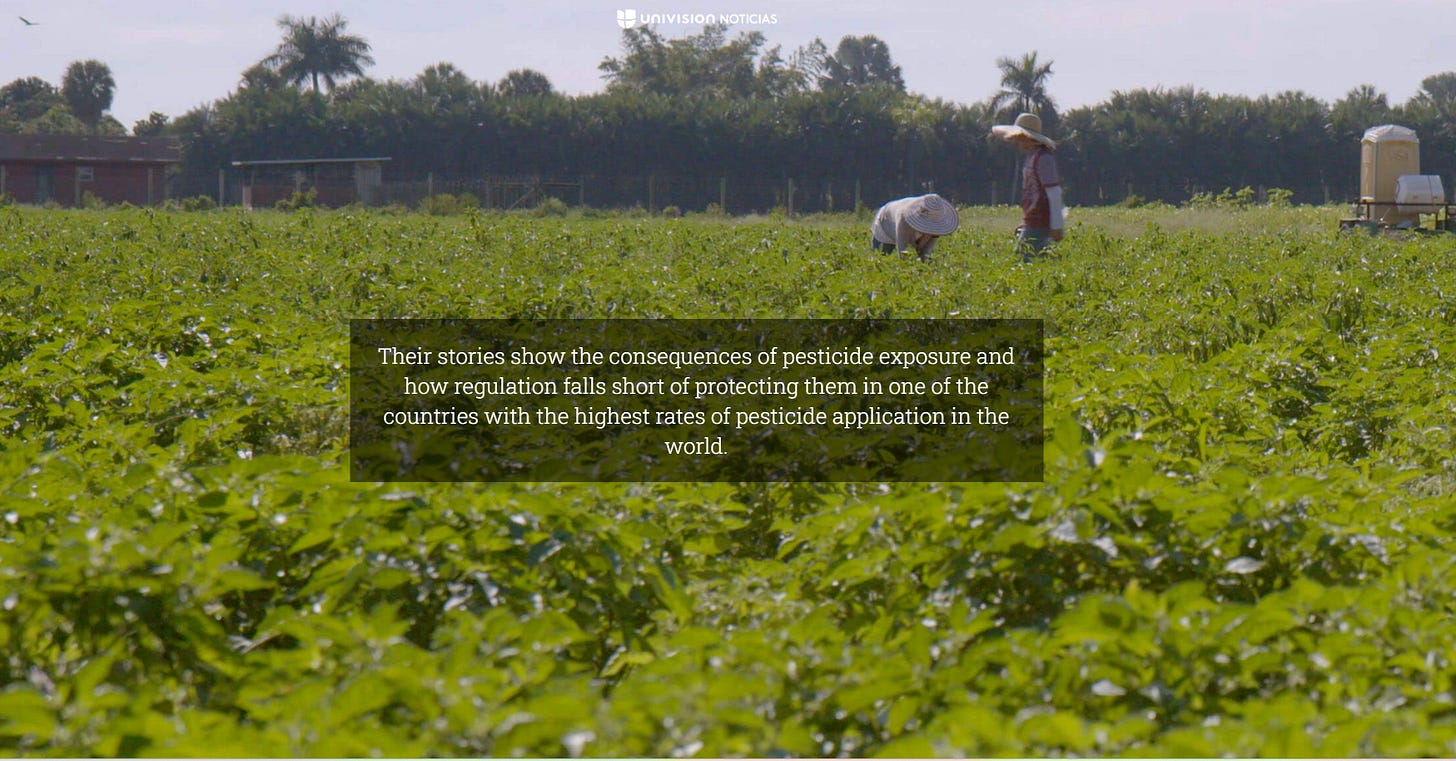
Exposed: Latino farmworkers risk their health working under threat of pesticide exposure
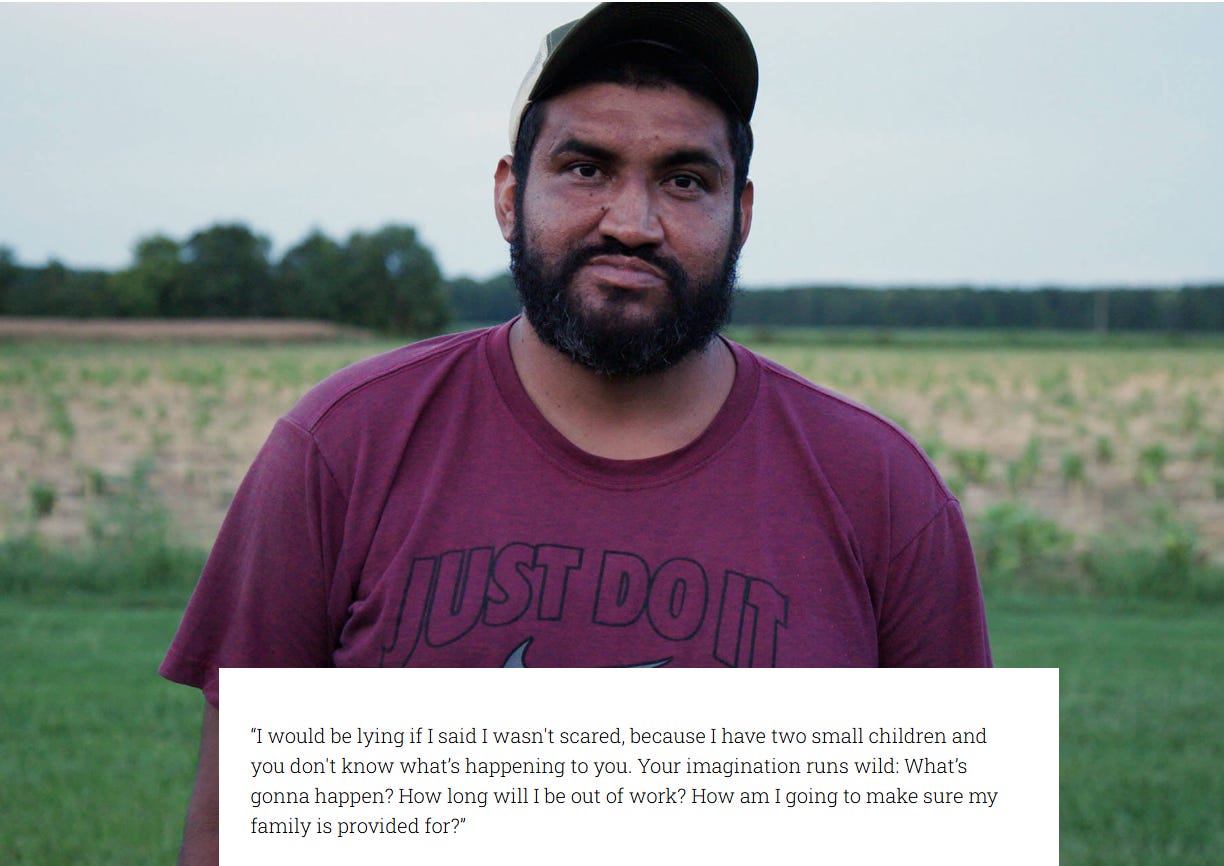
LISTEN to the interview, an hour’s worth, ahead of the radio show airing in two weeks. I told Freddy that the “Podcast” would accompany my own fugues and mental divishes, not a running paraphrasing commentary of what we talked about. LISTEN to this musician and me talk.
Freddy and I traverse his own narrative, how he ended up with a college scholarship, and his move to the Pacific Northwest. He still misses la tierra, Simi Valley.

Here, speaking of Ghosthorse: Language of Domination — First Contact and Tiokasin Ghosthorse’s Intuitive Language

Our beloved elder, Tiokasin Ghosthorse, member of the Cheyenne River Lakota Nation of South Dakota, has been facing severe medical challenges over the last 6 months and urgently needs our financial support. For those of you who know Tiokasin, he will need no introduction. For those of you who are not as familiar with this incredible elder and his unending service to the earth and to humanity, please take a moment to skip to the bottom to read his bio so you might understand why our collective effort is needed and warranted at this time.
Last spring of 2024, Tiokasin inhaled Roundup (Glyphosate) during waking hours while the fans were running. He unknowingly inhaled this toxic spray, which led him to have an acute lung episode, leaving him debilitated. This episode happened just one or two days after the spraying and activated some underlying comorbid conditions, which have brought his life to a halt. Over the last months, Tiokasin has been unable to breathe with ease; he struggles to stand and to walk, even to do basic things like button his shirt and put on socks. He is unable to work– except for when he is invited to do online talks and has the energy to do so. This barely pays for his rent. In addition to Tiokasin being unable to work, he is in need of several medical treatments which Medicare does not cover. At the moment, he is receiving mediocre care from a Medicare doctor and cannot afford to get the treatments or afford the medicine, food, and housing that he needs to heal during this time.
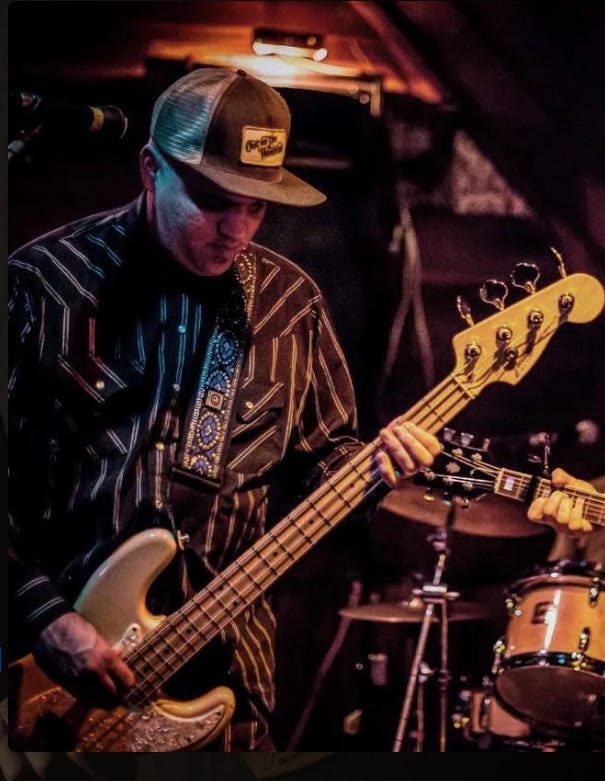
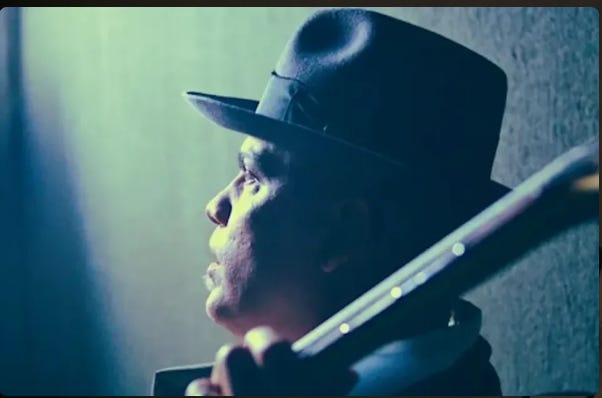
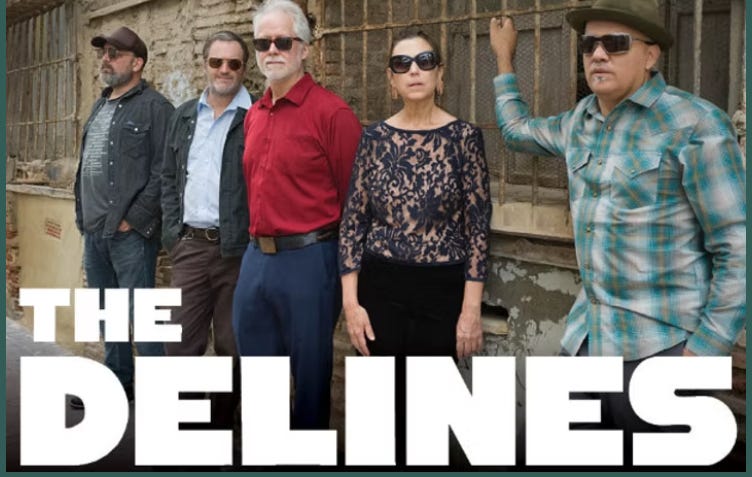
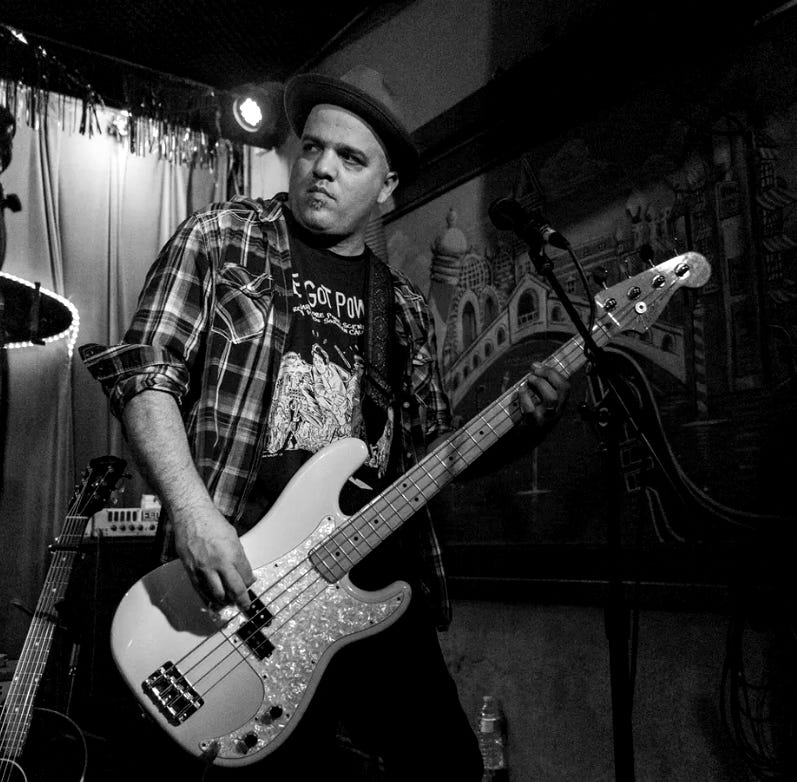
Simi Valley, California-born, and Portland, Oregon-based singer-songwriter Freddy Trujillo self-released (released on: 2024-04-26) his fourth solo album, I Never Threw A Shadow At it. A very personal record based around Chicano experiences, the album is the follow-up to 2022’s Sketch of a Man. Trujillo, who is also the bass player for The Delines and Richmond Fontaine, delivers an honest storyteller’s look at his life growing up in Southern California as a Chicano.
The record is so personal that the album’s title track, “I Never Threw A Shadow At It,” details a situation where Trujillo called the Los Angeles Police Department when someone attempted to steal his car, only to be treated like the criminal because of the color of his skin when the police showed up.
“I usually write songs about my life or memories,” he says of the song. “[This song] is about a personal incident I had with the LAPD in 1992. All songs, except ‘Corpus Christi’ and ‘Remember,’ are personal songs or about someone that is close to me.”
Fueled by the 70s Nuyorican-soul vibe of the title track, a highlight of the album for Trujillo, and one of his proudest moments, I Never Threw A Shadow At It blends folk, Chicano-rock, and a lot of heart throughout its ten tracks. Featuring every member of The Delines on the record, and engineered and co-produced by The Delines’ Cory Gray at his Old Unconscious Studios, the album will appeal to fans of Trujillo’s other band, while sounding nothing like The Delines.
“This record has all The Delines on it in some way or the other. But the record is super different [than The Delines],” admits Trujillo. “I am exploring different beats and tempos. If I didn’t say anything, a person wouldn’t have guessed that it is the same group of people.”
The album opens up with the bouncy, pop-driven rocker “Corpus Christi,” originally a song Willy Vlautin wrote for The Delines, but the band decided not to use. Taken by the song, Trujillo asked to use it for his album, giving the song a new spin, and its tale of addiction, abuse, and spiraling out of control sets the tone for the album.
“This album has been a great learning experience for me. I learned to collaborate with other writers. Willy Vlautin helped me close out ‘I Never Threw A Shadow At It.’ I was about 3/4 finished when I just needed a way to close it up, and he nailed it.”
Like many albums from artists with a lot of time on their hands during the pandemic, I Never Threw A Shadow At It grew from needing something to do while you couldn’t tour or play out.
“This album was motivated by needing something to do during the pandemic. I finally had a group of guys that show up as my band and then covid hits. I felt I had to do something to keep us engaged since we couldn’t play. The Black Lives Matter movement got me thinking about my own struggles with the police throughout my life. Especially when I was younger. ‘Many Years of Minding,’ which closes out the album, is sort of a bookmark or review of what my experience has been in the United States. I am staying on theme with a lot of my past records, which is life as a Chicano. ‘I Didn’t Cross the Border, The Border Crossed Me’ is exactly that, a look at the fact that Mexican culture was in the Southwest before it was considered America.”
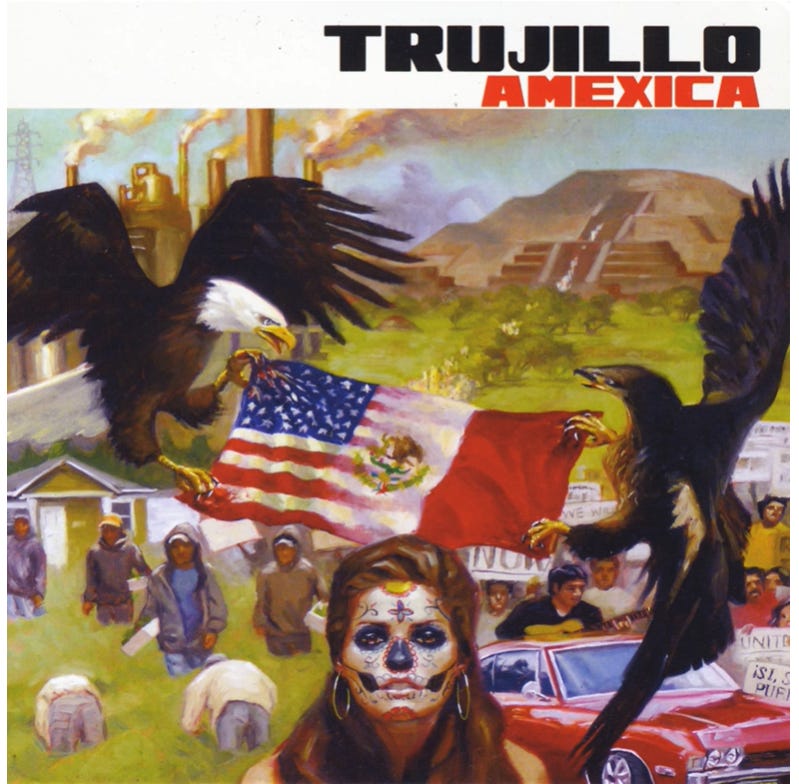
Trujillo’s first three records – 2002’s debut Hawks & Highways, 2014’s Amexica, and 2022’s Sketch of a Man – were recorded and produced by close friend and frequent collaborator Luther Russell on analog tape machines. However, due to social distancing, I Never Threw A Shadow At It is Trujillo’s first record not done with Russell and first recorded digitally.
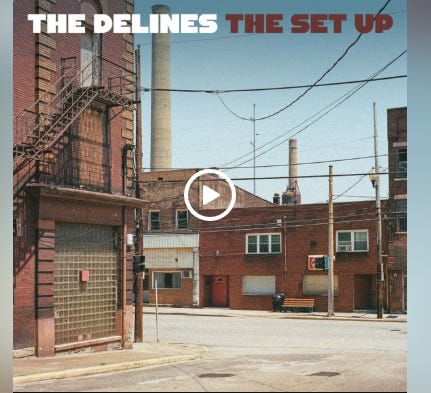
2026 DATES
Sept 27 – Portland, OR – Mississippi Studios with Freddy Trujillo, release party for Ave Trujillo
Oct 2 Glasgow, UK – Glasgow Debating Chamber
Oct 3 Newcastle, UK – Gosforth Civic
Oct 4 Leeds, UK – City Varieties
Oct 5 Bristol – Beacon Lantern
Oct 6 Colchester – Arts Centre
Oct 7 Herent, BE – GC De Wildeman
Oct 8 Hamburg, DE – Nochtspeicher
Oct 9 Malmo, SE – Victoria Theatren
Oct 10 Stockholm, SE – Debaser Nova
Oct 12 Goteborg, SE – Pustervik
Oct 13 Copenhagen, DK – Hotel Cecil
Oct 14 Berlin,DE – Frannz
Oct 15 Heilbronn, DE – Waldhaus 501/
Oct 16 Oberhausen, DE – Zentrum Altenberg
Oct 17 Utrecht, NL – Ramblin Roots Festival
Nov 14 Portland, OR Revolution Hall w/The Drive By Truckers
2027
March 16 – Amsterdam, NL – Zonnehuis
March 18 Dublin, IE – Whelan’s
March 19 Kilkenny, IE – The Set Theatre
March 20 Belfast, NI – The Duncairn
March 23 London – Barbican