



Economists study and analyze poverty in their nice offices, have all the statistics, make all the models, and are convinced that they know everything that you can know about poverty. But they don’t understand poverty.
— Manfred Max-Neef, Democracy Now!, 22 December 2010
A tale of two cities, a contradiction of two different thinkers, or, two ways of embracing humanity could be this commentary’s subtitle. However, for brevity’s sake, we can break our culture down to the haves and have-nots. The fact that we have a failed businessman who is a billionaire running the show (not really, it’s an oligarchy) who gives zero consideration about the price of gasoline at $5.00 a gallon ($10 in Alaska) and eggs again going up to $5/6/7 a dozen informs many of us that his thinking pattern is antithetical to helping America.

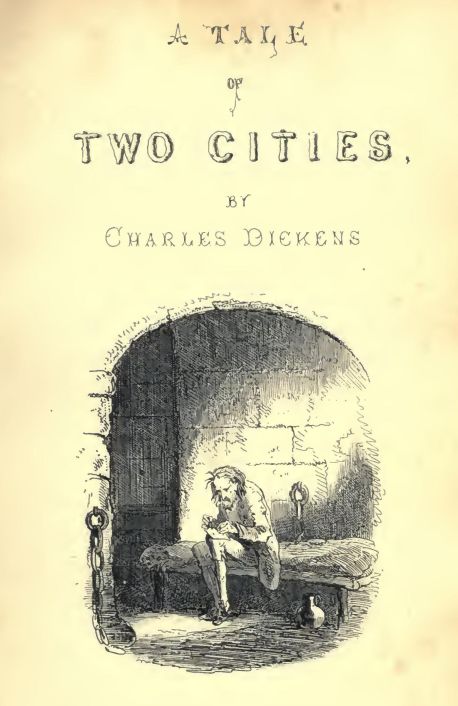
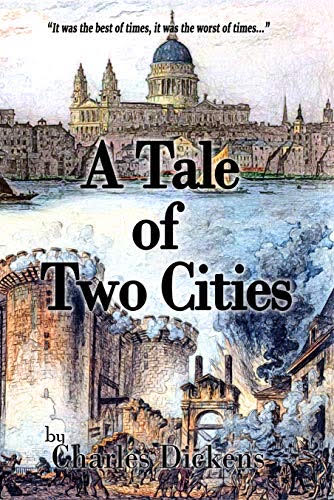
A Tale of Two Cities: A Modern Retelling
Charles Dickens’ “A Tale of Two Cities” is a timeless classic that has captivated readers for generations. Set against the backdrop of the French Revolution, the novel explores themes of duality, revolution, and redemption. But what if we were to transpose this gripping narrative into a modern context? How would the characters and their struggles resonate with today’s audiences?
The Duality of Modern Society
The novel’s central theme of duality is as relevant today as it was in the 19th century. In a modern retelling, the two cities could represent the stark contrast between wealth and poverty, urban and rural life, or even different political ideologies. The duality of human nature-our capacity for both good and evil-remains a universal theme that transcends time.

Characters in a Modern Context
Sydney Carton, one of the most complex characters in literature, could be reimagined as a disillusioned lawyer or activist, struggling with his own sense of purpose and redemption. His famous line, “It is a far, far better thing that I do,” could take on new meaning in a world grappling with social justice and inequality. Similarly, Madame Defarge, a symbol of revolutionary fervor, could be depicted as a modern-day protest leader, advocating for systemic change.
Themes of Revolution and Redemption
The French Revolution serves as the backdrop for Dickens’ novel, but its themes of revolution and redemption are timeless. In a modern retelling, the revolution could be a social movement, a political upheaval, or even a personal journey of self-discovery. The characters’ struggles and triumphs would be set against the backdrop of contemporary issues, making the story more relatable to today’s readers.
Adapting the Plot
Adapting the plot of “A Tale of Two Cities” to a modern setting would require careful consideration of the original narrative. The themes of sacrifice, love, and redemption would need to be preserved, even as the characters and their struggles are updated. The modern retelling could explore issues such as economic inequality, political corruption, and the search for meaning in a complex world.
Conclusion
A modern retelling of “A Tale of Two Cities” has the potential to captivate new generations of readers. By exploring the duality of human nature, the struggles of modern society, and the timeless themes of revolution and redemption, a modern adaptation could offer a fresh perspective on a classic tale. Whether set against the backdrop of a social movement, a political upheaval, or a personal journey, the story of Sydney Carton, Madame Defarge, and the other characters in “A Tale of Two Cities” would continue to resonate with audiences today.
*****
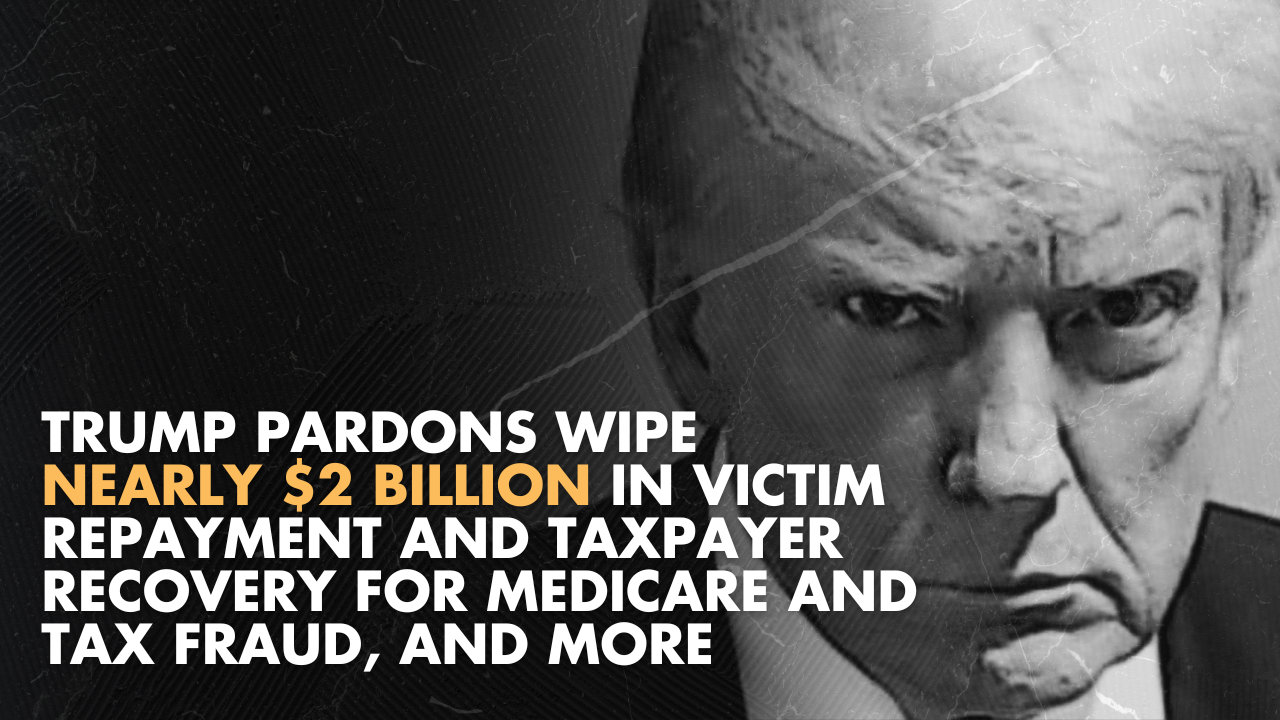
Forget about all the jingoism – MAGA, MAHA, Gulf of America crapola, Trump Arc de Triumph, Ballroom – when looking at the present and the future. This is how this business criminal thinks:
A reporter asked Trump to what extent Americans’ financial straits are motivating him to make a deal with Iran after the US illegally bombed a sovereign nation.
“Not even a little bit,” Trump said. “The only thing that matters when I’m talking about Iran, they can’t have a nuclear weapon.”
Oh, we have many of these “let them eat cake” moments under Trump. He has laughed at recent polls on his disastrous first year: 77% of Americans believe Trump’s policies have actively driven up local living costs, while 70% specifically disapprove of his broader handling of the economy.
Two different mindsets can parse these facts: As of early 2026, reports indicate the Trump family generated an estimated $4 billion in profits, cash, and increased asset value during 2025, largely driven by cryptocurrency ventures, foreign business deals, and the rising value of their business portfolio following his re-election.

Where you stand on this rapacious greed and money-making (illegal under the emoluments clause) will determine how you frame what the government’s purpose is. Is it for we the people – to protect our safety, our prosperity, our health, our community cohesion, our collective vision for resilient and sustainable cities and towns?
Or, is the executive office designed for a few billionaires and their families to gouge the American people into where we are – a trickle-down, laughable economy where the poor get poorer, and the rich get richer?
Student loan debt in the U.S. has reached a critical level, with over 43 million borrowers owing more than $1.7 trillion. While “killing” students might be a strong metaphor, the financial and psychological impact of debt is severe, leading to delayed life milestones and significant mental health strain.
A society that doesn’t value education is a society that will always fail. I have heard many personal stories here in Lincoln County of young people working to get their college degrees, even graduate degrees, to work in social work, public health, medicine, and the sciences, recently losing SNAP benefits, financial aid, and, in some cases, housing.
I have worked with veterans and their families living in RV’s and trailers, even vans, having a spot of land owned by, at first, an empathetic landowner, who then gets served with fines for code violations or gets an offer to sell it, and, bam, we have a dozen or more displaced families.
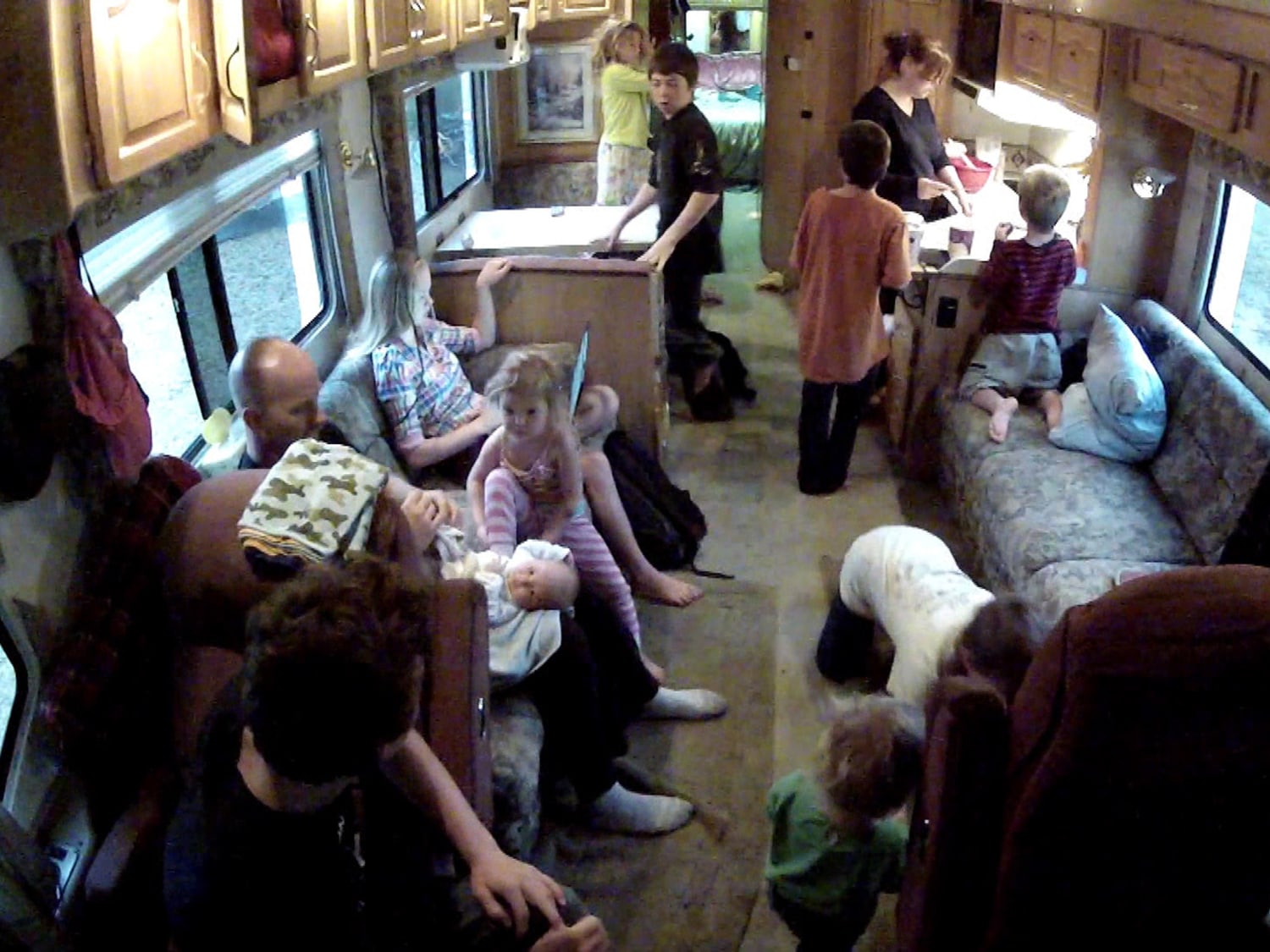
Kiddos have to change schools, jobs end, and the poor or wretched of the earth end up traumatized, broken, these modern Grapes of Wrath nomads in the richest country in the world (the myth says).

“The poor pay more for a gallon of milk; they pay more on a capital basis for inferior housing,” said Rep. Earl Blumenauer (D-Ore.). “The poor and 100 million who are struggling for the middle class actually end up paying more for transportation, for housing, for health care, for mortgages. They get steered to subprime lending. . . . The poor pay more for things middle-class America takes for granted.”

The psychological burden of being poor includes:
- Constant vigilance about money creating mental exhaustion
- Shame about financial status leading to social isolation
- Future planning feeling impossible when present needs aren’t met
- Every purchase requiring complex risk-benefit analysis
In their article, “Poverty Impedes Cognitive Function,” which appears in the latest issue of Science, University of Warwick Professor Anandi Mani and several other social scientists (2) suggest poverty, and the ever-present concerns that come with it, places an undue burden on an individual’s limited mental resources. Compared with those who are free from poverty, this burden leaves those in poverty with fewer cognitive resources with which to make choices and take action.
Mani et al. write, the poor “are less capable not because of inherent traits, but because the very context of poverty imposes load and impedes cognitive capacity.”
The work of a POTUS, SCOTUS or the legislative branches demands systemic solutions:
- Banking regulations that limit fees and require reasonable credit alternatives
- Healthcare systems that don’t bankrupt sick people
- Housing policies that prioritize affordability over profit extraction
- Transportation infrastructure that doesn’t require car ownership
- Living wages that allow people to build emergency cushions
- Financial education that prepares people for predatory products
Co-authors of this study, Harvard Economics Professor Sendhil Mullainathan and Princeton Psychology Professor Eldar Shafir have written a new book on how mentally taxing situations, like poverty, can affect cognitive ability. The book, Scarcity: Why Having Too Little Means So Much, introduces the “new science of scarcity,” and reveals a pervasive logic and pattern of behavior that can leave people always dealing with scarcity; “having less than you feel you need” (6). Mullainathan and Shafir show this to be true for money, time, and companionship, among other human needs. In the introduction to their book, they write:
“Scarcity captures the mind. Just as the starving subjects had food on their mind, when we experience scarcity of any kind, we become absorbed by it. The mind orients automatically, powerfully, toward unfulfilled needs. For the hungry, that need is food. For the cash strapped it might be this month’s rent payment; for the lonely, a lack of companionship. Scarcity is more than just the displeasure of having very little. It changes how we think. It imposes itself on our minds” .
Oh, I know, there are many reading this who think Trump is pure gold like his tarnished bidets and toilets. Nah, the capacity to determine a president’s worth is seen by how they treat the less fortunate.
Medicaid is on this rich man’s chopping block: Trump’s efforts to reduce funding by over $1 trillion to offset the cost of tax renewals. He’s not a fan of SSI Disability safety nets. A set of rule changes under Trump penalizes disabled adults living with their families.
But don’t take the word of a journalist and a radical like myself.
“The day after Donald Trump won the 2024 election, the 10 richest people in the world—including nine Americans—expanded their wealth by nearly $64 billion, the greatest single-day increase in recorded history. Since then, an unholy marriage of billionaire investors, tech bros, Christian nationalists, and, of course, Donald Trump has staged an oligarchic assault on our democracy. If the nation’s corporate elite once leveraged their relationships within government to enrich themselves, they’ve now cut out the middleman. We’re living in a new Gilded Age, with a proto-fascistic and religiously regressive administration of, by, and for the billionaires.” — The Rev. Dr. Liz Theoharis is national codirector of the Poor People’s Campaign, and author of Always with Us?: What Jesus Really Said about the Poor. She is an ordained minister in the Presbyterian Church.

When you walk by a homeless citizen or smell the pot coming from a cluttered van with six people living inside, figure out which human you are – a giver or taker.
“I have amazing news for you. Man is not alone on this planet. He is part of a community, upon which he depends absolutely.” ― Daniel Quinn, Ishmael: An Adventure of the Mind and Spirit.