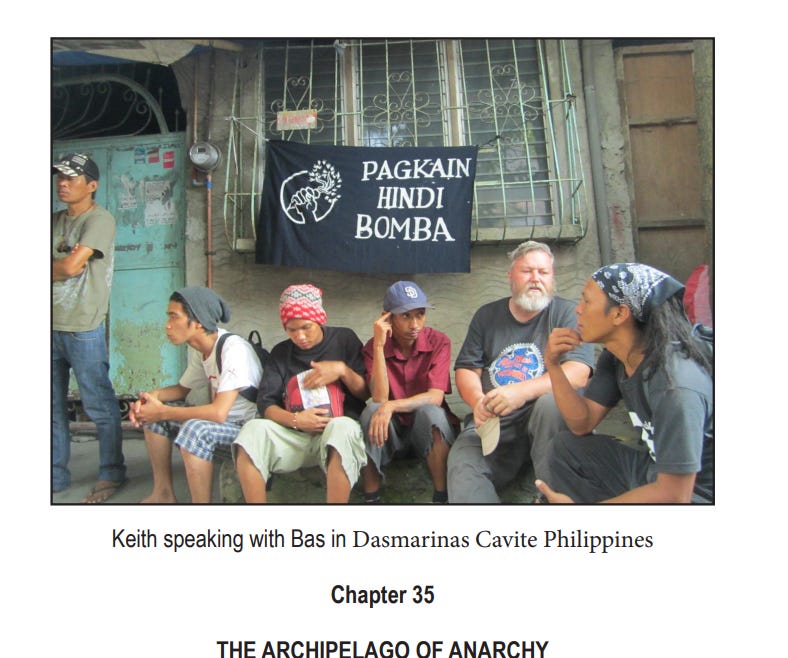
You have a swashbuckling Vegan Food Advocate, busted over a 100 times, still kicking up dust even now at 70, banned from bookstores (anarchist ones, no less) and from Canada
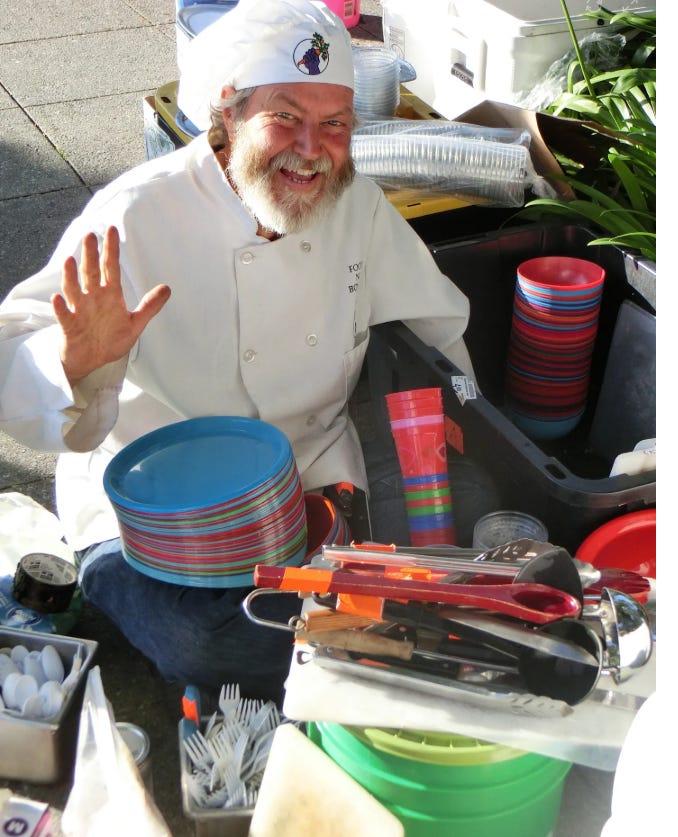
Of course, my hour show went over the time limit — actually, over the edge of the time frame- so it ends in a trail-off of Keith McHenry railing against the machine, the system, the people in charge.
KYAQ — LISTEN here before the conversation airs!

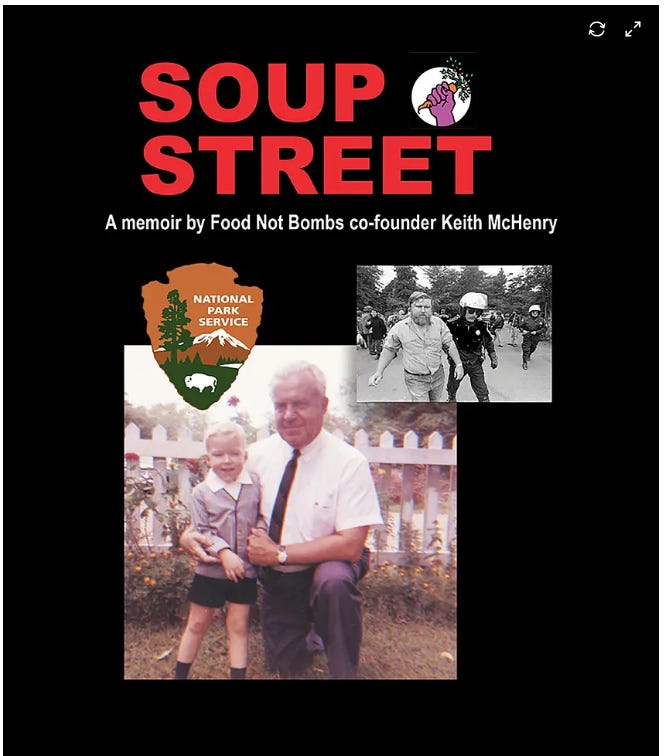
His memoir is 150,000 words, taken from a manuscript of three-quarters of a million words: Time in the trenches, man, the battle for human rights, simple right to our right to eating, and the geopolitics of it all: anti-military/WTO/IMF/ Capitalism/ Imperial battlefields.
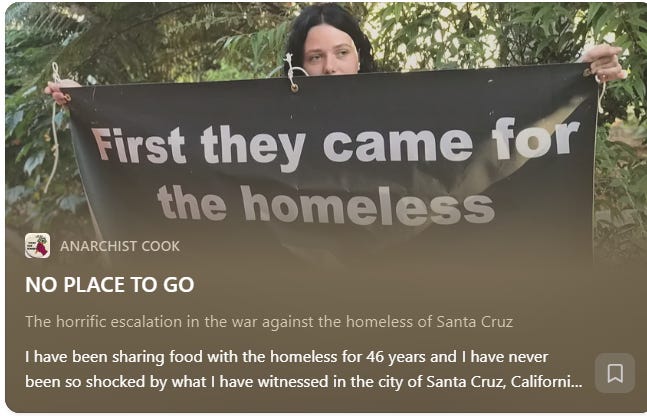
It’s vicious, man, vicious.
Crossing both disgusting party lines:
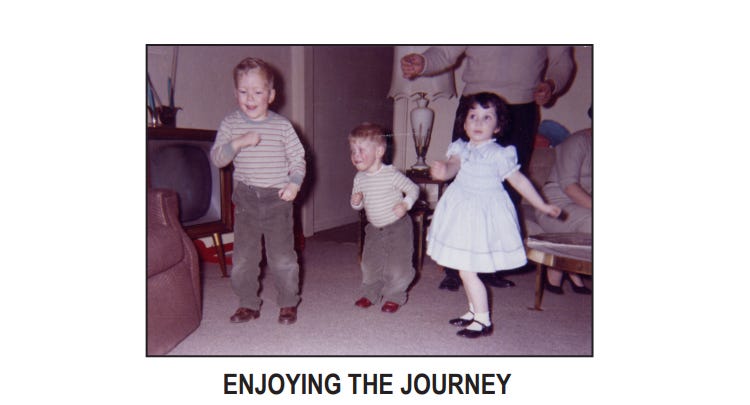
My father loved his powder blue Corvair with the engine in the rear. A back-end feature he proudly explained also propelled the Army tanks he flew above in his L19 reconnaissance plane while stationed in West Germany.
My father accepted a transfer in 1963 from his position at the Rock Creek Nature Center in Washington, DC, to become a District Park Naturalist on the South Rim of the Grand Canyon. My mother, brother Bruce, and I headed out with my father across the country at a time when the four-lane Interstate Highway system had yet to scar America’s landscape. I was liberated from those kindergarten Duck and Cover nuclear war drills at Bethesda Elementary, excited to see what I thought would be Wile E. Coyote and The Road Runner zipping across the desert. I was, of course, only five, and while I peered out hoping to see them, I was not disappointed in the stunning beauty we would pass on our way to our new home.
I was small enough to lie under the bubble window behind the back seat. The perfect vantage point to see the evening stars, majestic towering clouds, and vastness of the American countryside. Route 66 was a thin ribbon of asphalt with endless horizons free of fences and chain restaurants. A land absent of ugly corporate sterility with its psychic numbing and the desperation that would come.
My childhood of living free in America’s wilderness was confronted nearly a decade later as a teen while standing on a Wasatch Mountain peak, looking across once pure valleys of Utah now filled with the black smoke from the Four Corners coal generating stations. That Thanksgiving, heading south on US 89 I caught my first sight of those monstrous high-tension power towers that marched across the pristine beauty of Painted Desert. That was all it took. Any political and economic system willing to desecrate the sacred lands of the Southwest was a system I vowed to dedicate my life to ending. Something had always stirred in my soul, propelling me to follow my heart. To disregard the safety of conformity. To adopt the unbound life, as Henry David Thoreau said, “government is best which governs least” inspired anarchist living by my principles, no matter the dangers.
From my days experiencing the thumping leather boots of Hopi boys clutching rattle snakes between their teeth in the dusty plaza of Old Orabi to days of torture in a San Francisco Stress Position Cage, each detail between these pages is my authentic effort to share what led me to helping start Food Not Bombs. What was it that motivated me to spend my life spending hundreds of nights in jail for the crime of “making a political statement,” armed only with a ladle and the pursuit of a just world at peace?
This book is an adventure that seeks to understand the influence of my family’s participation in the formation of the nation, the character-molding tragedies I survived, my many days of homelessness, and the joys that molded my path. The influence of a self-confident mother who lived with dignity but died too young.
A life shaped by an intelligence officer grandfather who was proud that he directed the world’s most deadly bombing campaign, torching Tokyo, whom I also witnessed arguing over the phone with his friends, Secretary of Defense Robert McNamara and General Curtis LeMay, on the logic of dropping a nuclear bomb on Hanoi. Another grandfather who spent his life as a National Park Ranger who held my hand as we waded through the tidal pools at Natural Bridges State Park in Santa Cruz or wandered through the vanilla-scented Ponderosa Pines along the rim of the Grand Canyon, teaching me the Latin names of the creatures that clung to the black rocks on the coast of the Pacific and the sage and Indian Paintbrush of the Coconino Plateau.
Travel with me across Northern Mexico in a 1979 blue school bus with a broken gas gauge on tour with 17 members of two Mexican hardcore punk bands and our discovery of a peyote patch while waiting for the return of our band members with gas cans of fuel. Join me on two tours of Nigeria, speaking on West Africa’s largest radio station, buying a stolen van on the side of a rubble-strewn road at the port of Lagos, escaping a kidnapping and speaking before the country’s most powerful student organization. Cross eastern Europe on crowded Polish trains, taking an overnight train to visit the Food Not Bombs survivors of Wesley Clark’s war on Belgrade and riding in freezing Serbian railcars stripped of hardware, joining a Sikh from Modesto, California on holiday and two Bulgarian National Police transporting a Kurdish “terrorist” to the Turkish border.
My memoir is my honest search to reveal what motivated me to take this unusual journey, and perhaps this book will inspire you to live more fully or reflect on the struggle and beauty of your own travels across time. Enjoy the journey. —
Keith McHenry Co-Founder of Food Not Bombs
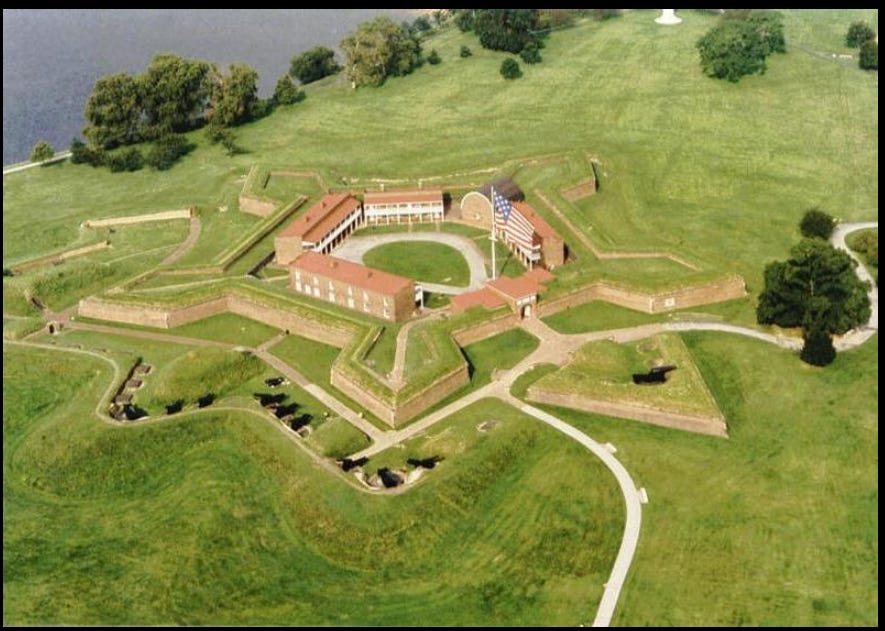
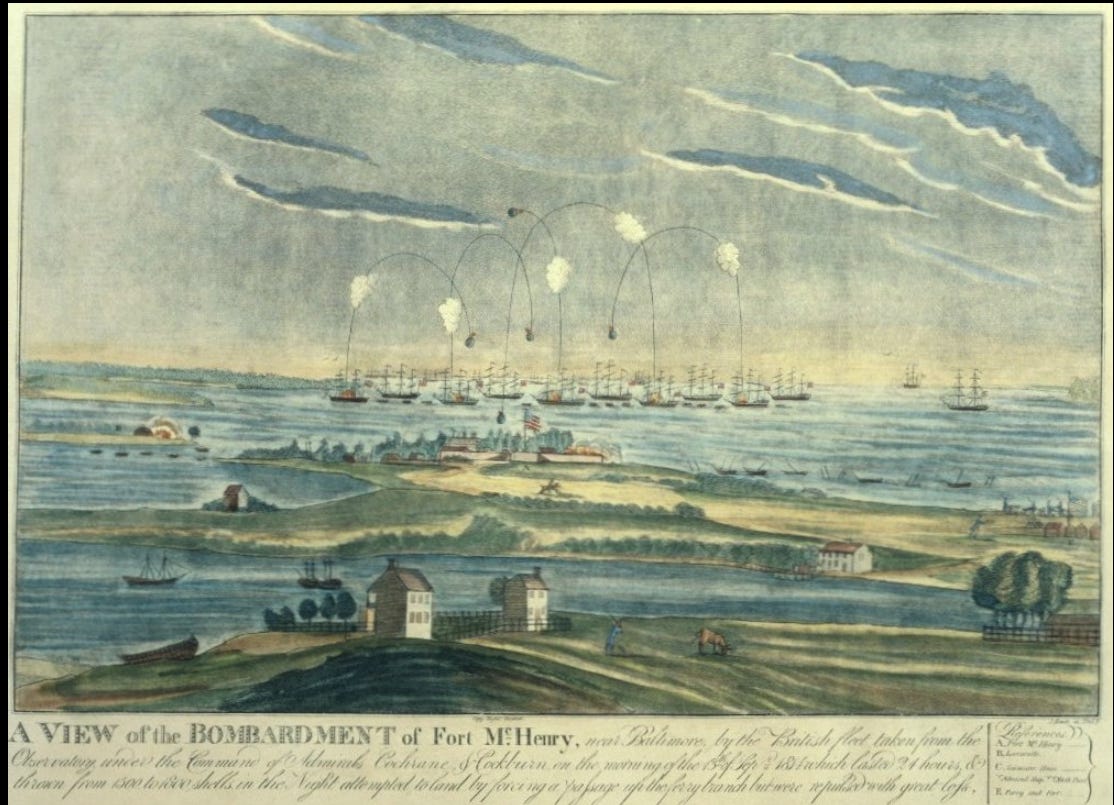
And there you have his blue blood: Fort McHenry was named after early American statesman James McHenry (1753–1816), a Scots-Irish immigrant and surgeon-soldier. He was a delegate to the Continental Congress from Maryland and a signer of the United States Constitution. Afterwards, he was appointed United States Secretary of War (1796–1800), serving under Presidents George Washington and John Adams.
Then his grandfather: The “Back Door to War” Claim: Proponents allege that President Franklin D. Roosevelt (FDR) and top U.S. or British officials knew about the impending Japanese attack in advance—or deliberately provoked it—and allowed it to happen to overcome American isolationism and bring the U.S. into World War II.
And, then . . . AI Overview
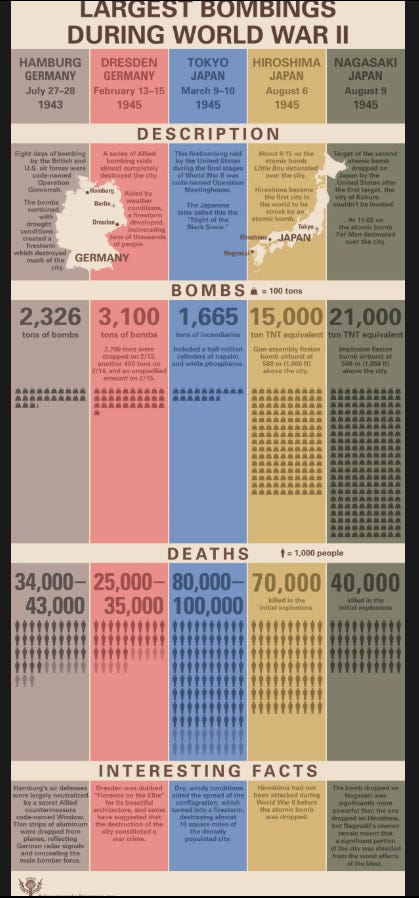
The firebombing of Tokyo on March 9–10, 1945—codenamed Operation Meetinghouse—is the single deadliest and most destructive conventional aerial bombing raid in human history.
My grandfather continued with his story of Burma, calmly explaining that I was born into a special family. I would grow up having to decide who should live and who should die. I might even have to kill tens of thousands of people. He said this to his five-year-old grandson. I imagine he was speaking about people like those smudged out in the blackened images of the sixty-three framed aerial photos hanging in his den. Photos he took when directing the world’s most deadly bombing campaign, the of the firebombing of Tokyo. He explained that those I might have to kill would never face such difficult decisions as the ones I would need to wrestle with. That was our burden, he announced with certainty. “The white man’s burden.
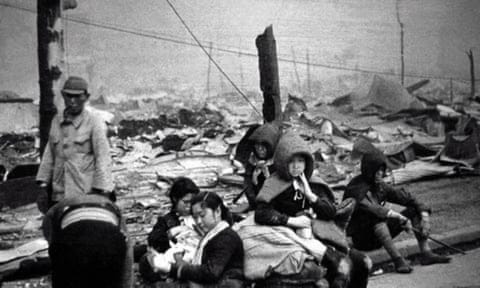
Conitnuing . . . . My mother’s father, John Vanderpool Phelan, was a graduate of Phillips Exeter Academy, Dartmouth College, and Harvard Law School. He was a Harvard Crimson Football star and a loyal defender of capitalism. My grandfather was invited to join the elite Office of Strategic Services, where he was assigned to the 468th Bombardment Squadron.
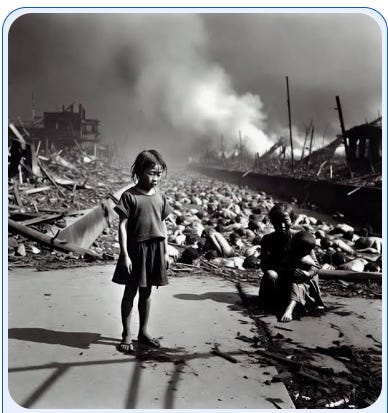
His squadron of B-29 Superfortress planes rained firebombs down on the civilians of Tokyo sixty-three times in Operation Meetinghouse. Death made abstract in his high-altitude glossies that failed to show the terror of the hundreds of 23 thousands of Japanese men, women, and children who burned and suffocated to death on those nights of 1945.
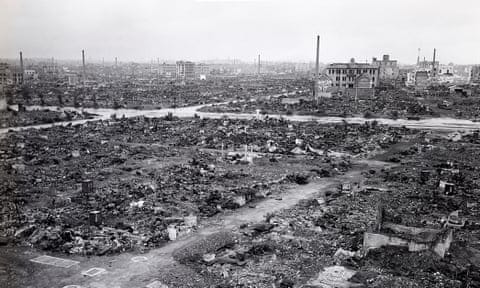
My grandfather boasted of his central role in this, a campaign that, according to Daniel Ellsberg’s book, The Doomsday Machine: Confessions of a Nuclear War Planner, is still regarded by historians as “the single most destructive bombing raid in human history.” My grandfather organized at least two conventions of his 468th Bombardment Squadron during my childhood.
One was held at a motel in Alpine, Texas. I was eight, and I soaked up every war story. I also taught myself to swim after giving my plastic blow-up life-ring to a little girl I wanted to impress while also feeling that it wasn’t fair that I could paddle around while she had to cling to the poolside. The jolly long-retired pilots talked of their fear that they would run out of fuel and be forced to abandon their planes over the swamps of China.
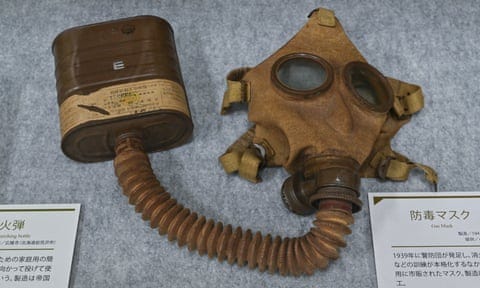
There were tales of gunners who, fearing obliteration, opened blasts of their cannons on the swarms of Japanese Zeros. I sat mesmerized, listening to a grey-haired bombardier describe how, as bullets pierced the thin metal skin of their mighty high-flying Superfortress, he had crawled on his hands and knees across the bomb bay to fix a broken latch so he could release a load of incendiary bombs before the bomber had to rush back to the safety of Burma.
The old men laughed about what would have happened if their bombers had run out of fuel as they lumbered high above the jagged ice of the Himalayas. At first my feelings were confused.
Any little boy would be awestruck by such exciting stories. I thought the B-29 was the coolest plane ever. Much better than those B-25s of the European theater, I would say to myself with pride. Four remotely controlled turrets armed with two .50-caliber machine guns.
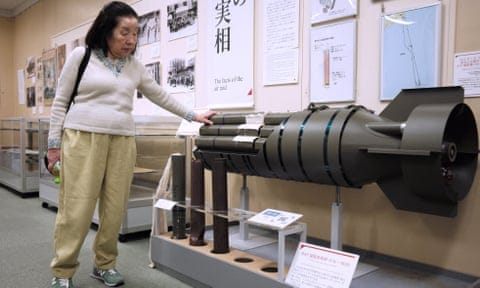
I imagined how exhilarating it would be to sit in a Plexiglass bubble hanging below the fuselage and fire away at oncoming Japanese Hayate Ki-84’s or to sit in the nose cone downing swarms of attacking fighter planes. But at the same time, the thought of thousands of people burning alive didn’t seem right.
In my vivid childhood imagination, I visualized Japanese children like myself clad in light pajamas, living in bamboo-framed houses with paper walls that burst into flames as they slept. I could imagine my own fiery death during a “duck and cover” nuclear conflict with the Soviets. Would we burn to death like those Japanese kids?
My little classmate smiled at me from under her desk. “Do the adults really believe we will survive under our cheap little yellow laminated desks?” If preparing for a nuclear war by ducking under a desk wasn’t odd enough, there was a war I occasionally got a glimpse of on TV.
Soldiers firing machine guns, waves of helicopters brushing the tops of palm trees, and death scores at the top of the news: five Americans killed, two thousand communists dead. We must have been winning the war in this place the adults called Vietnam.
My grandfather paced around his den of framed firebombing photos, screaming at his former colleagues, General Curtis LeMay and Robert McNamara, 24, as his family sat in the next room celebrating the birth of the Prince of Peace beneath an always-perfect blue spruce.
Heavy lead tinsel and dozens of delicate glass ornaments from West Germany decorated the boughs. Packages wrapped with bows were piled high. It was the season that, even then, seemed to be more a celebration of capitalism than the birth of Jesus of Nazareth.
I could hear my grandfather yelling, “You have to drop a hydrogen bomb on Hanoi or the Communists won’t take us seriously! They’ll think we wouldn’t dare do another Nagasaki.”
Though he was my mother’s father, who graduated from prestigious Ivy League schools and spent World War II as an intelligence officer, his pleas to drop another atomic bomb didn’t seem very smart. I might have been a child, but that sounded horrific, a plan not connected to any reality I could understand. Reality may not have been all that important to my mother’s parents. My first name, Jonathan, was also not based in a physical reality. I was named after my mother’s imaginary playmate, an invisible boy who came to dinner every night and sat before his very real place setting. Jonathan was an illusion that would become me.
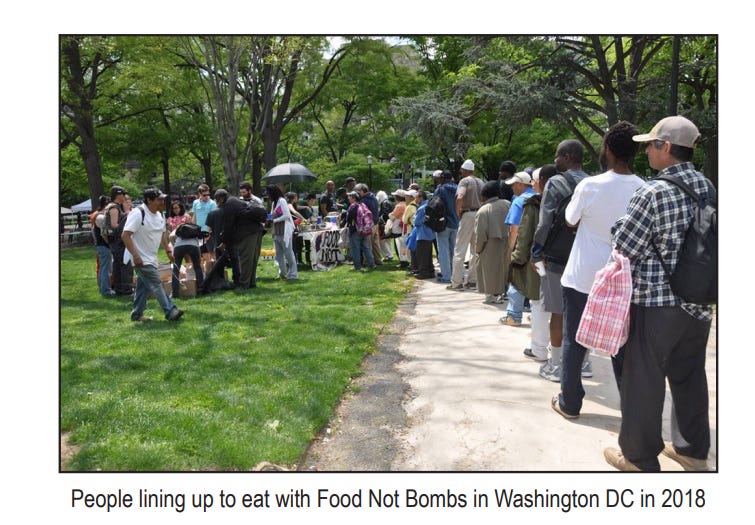
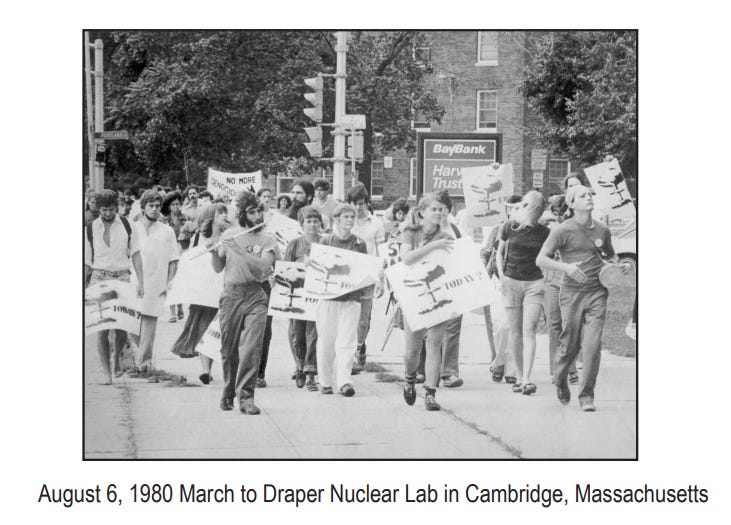
I wanted to get into this part of his life, but 59 minutes go by FAST:
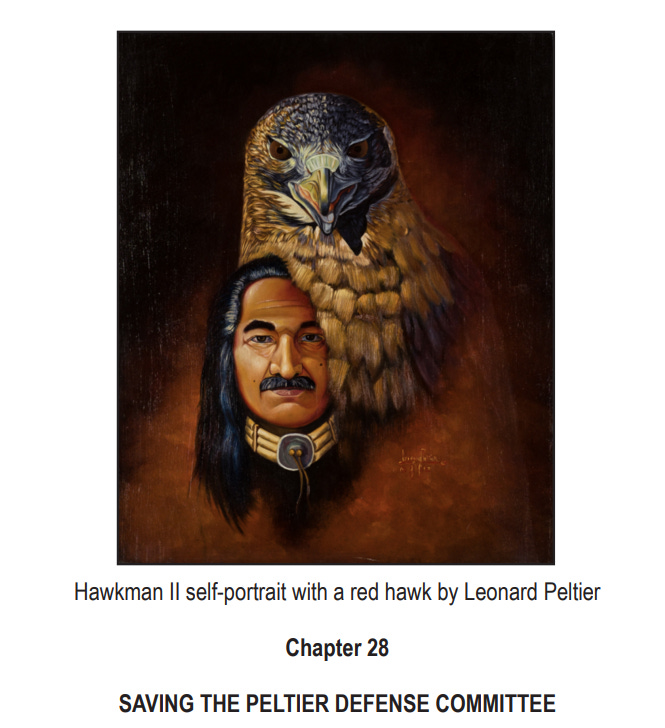
All over the globe, man:
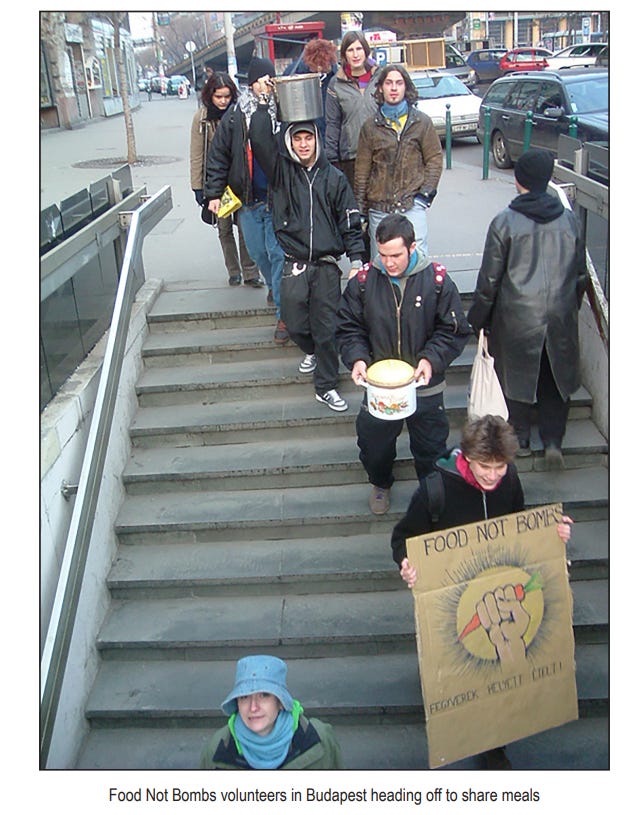
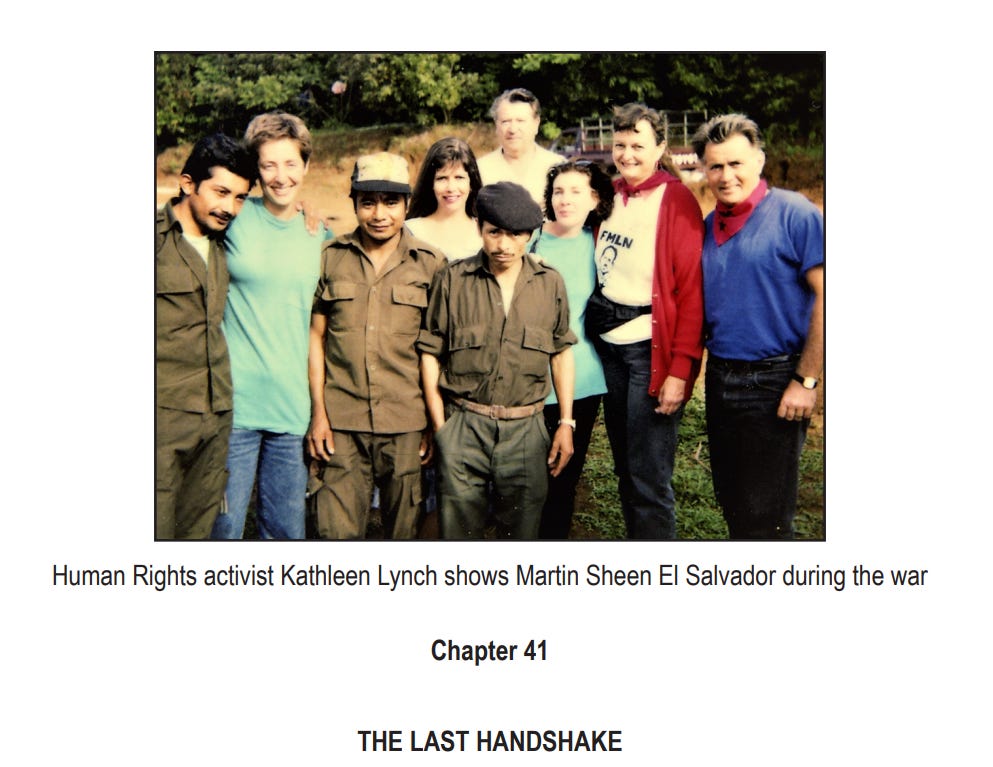
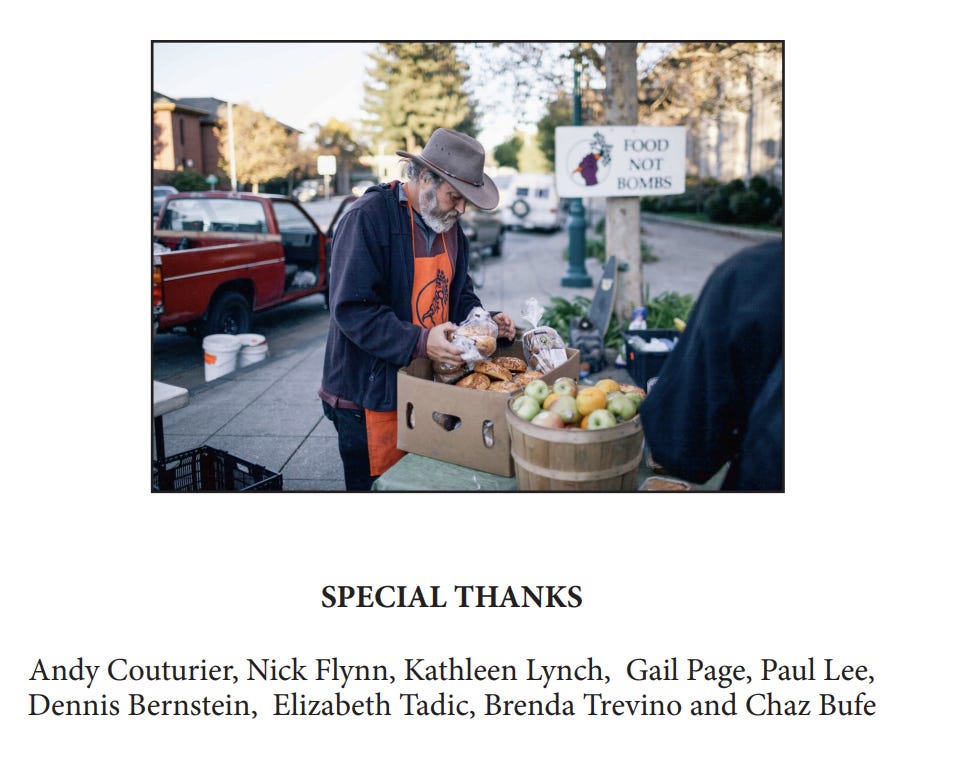
And all of this interest in the memoir came about this way:
Banned from Canada
Nov 04, 2026
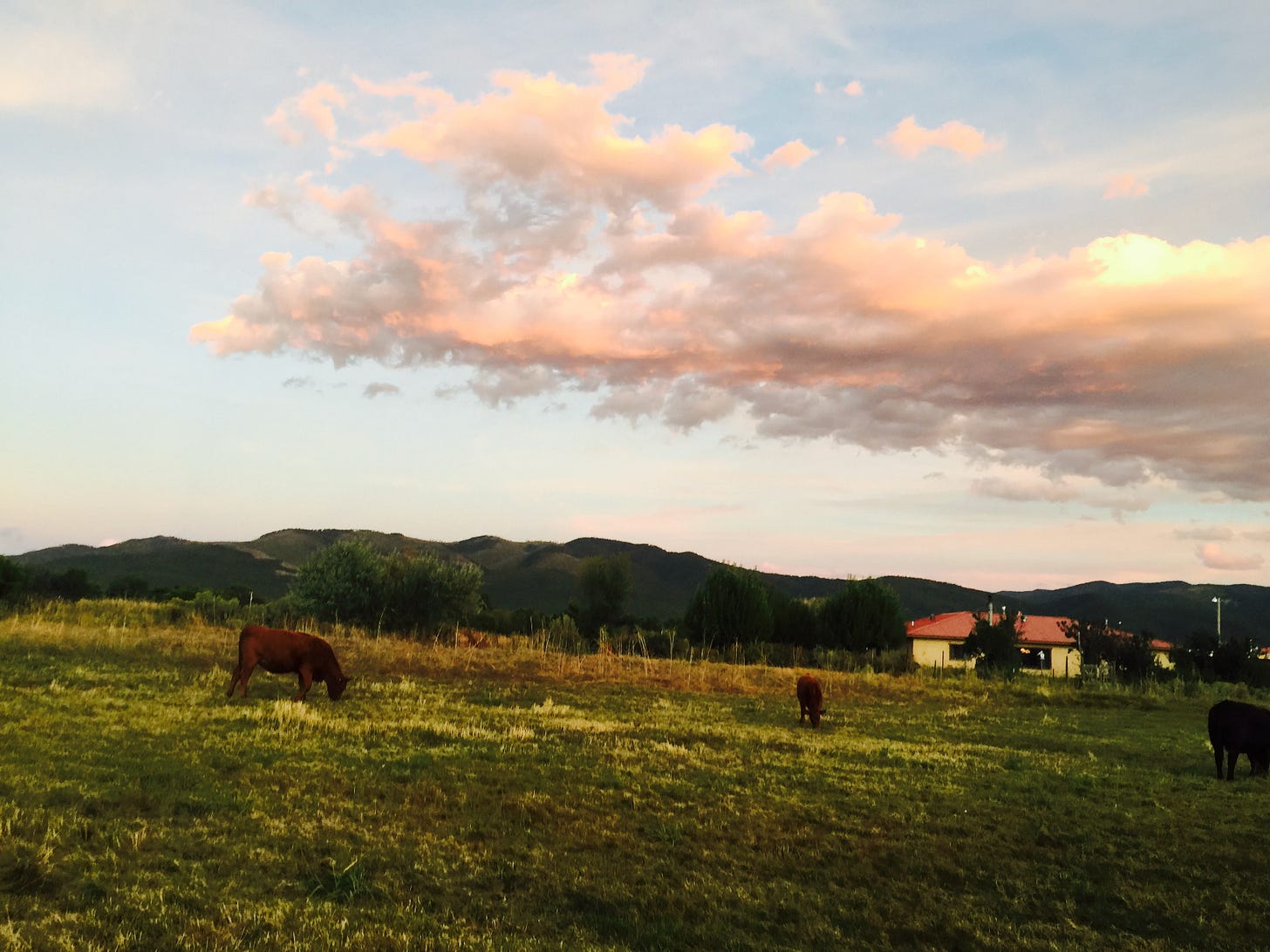
by Keith McHenry (2026)
Allan Antliff, professor of Art History and Visual Studies at the University of Victoria, glass artist Mary Shaffer, and I enjoyed dinner at her beautiful adobe home in Taos, New Mexico, one evening in 2017. Mary and Allan had just met in Marfa, Texas, during the former ghost town’s annual open studio exhibits.
Allan asked if I would be interested in having my archives at his university, and I accepted his offer. I spent several months organizing my documents in the manner he suggested, and once they were ready, I drove cases of legal documents, flyers, sketchbooks, newsletters, and personal planners up to British Columbia, crossing into Canada on the ferry in my G20 conversion van. This would be one of nearly 40 trips to Canada I had made since I settled my 25-to-life Three Strikes Felony case on February 16, 1995, in Judge Lucy McCabe’s San Francisco court. The criminal case started when I was attacked by Mayor Frank Jordan’s film commissioner, Nick Rommel, in a first-floor City Hall phone booth. The near-daily arrests for felony conspiracy to share food in violation of a court order had not stopped us from feeding the homeless, so it seems that the mayor thought sending me to prison for a quarter of a century might do the trick.
After I made my first delivery for the archives, I periodically shipped more materials, including original paintings and the 750,000-word manuscript of what would become my 150,000-word memoir, Soup Street.
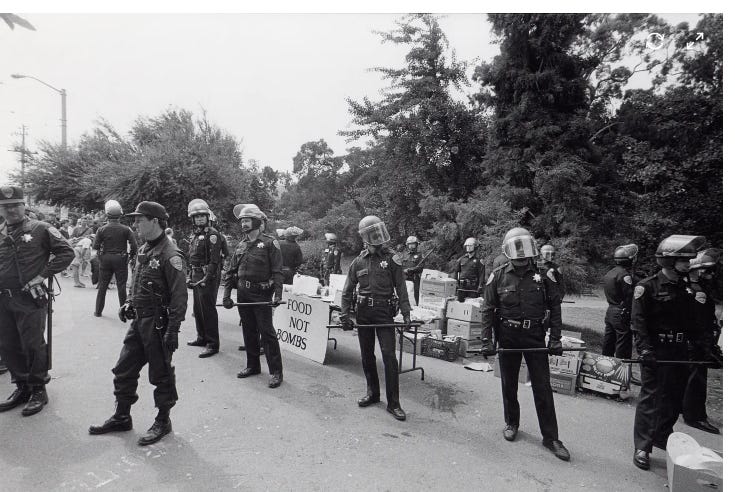
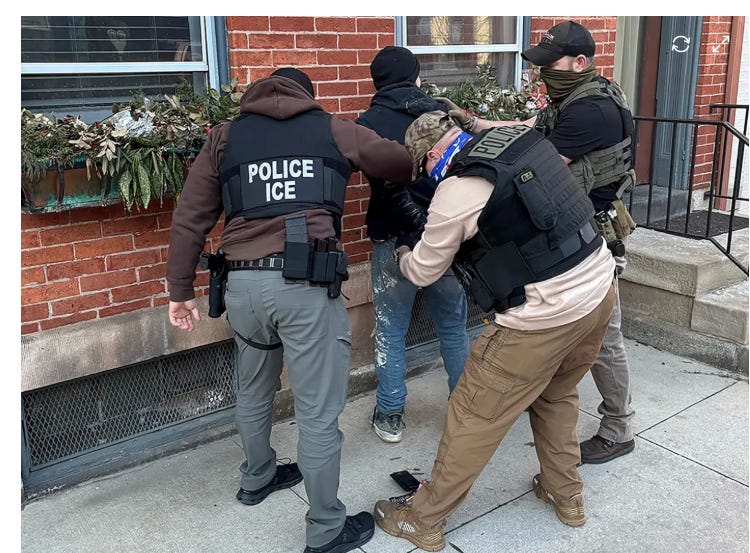
During this ordeal, I often thought of how lucky I was, thinking of all those people captured by ICE, often disappeared from their families and held in horrid conditions for weeks and months before being shipped off to countries with which they often have no connection. Stories like that have been shared by a young Food Not Bombs volunteer in Monterrey, Mexico, who had spent his life in San Antonio, only to be dropped off in a remote area of Mexico and forced to search for his friends who had come to the border to meet him.
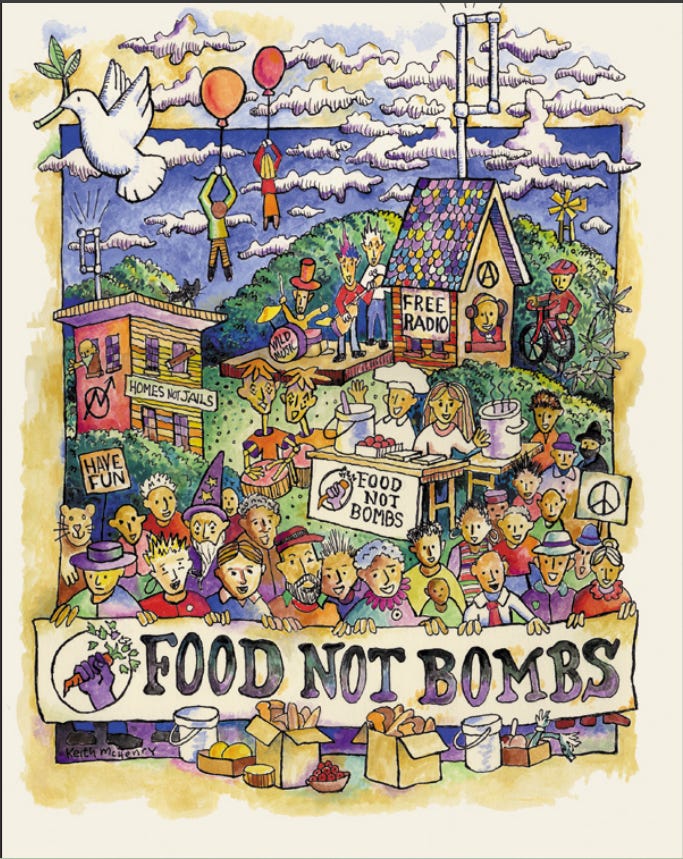
SOUP STREET – A memoir by Food Not Bombs co-founder Keith McHenry
https://foodnotbombs.net/soup_street.html
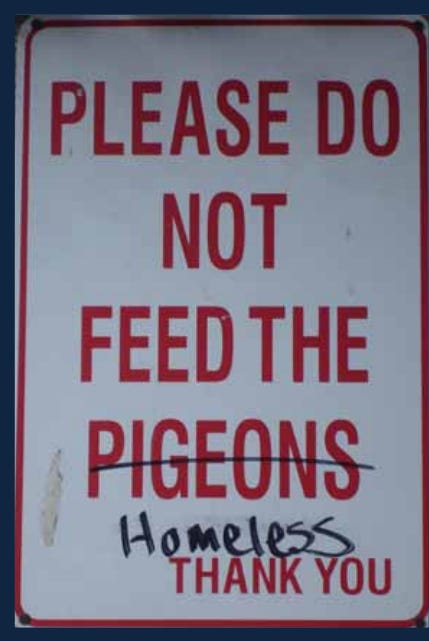
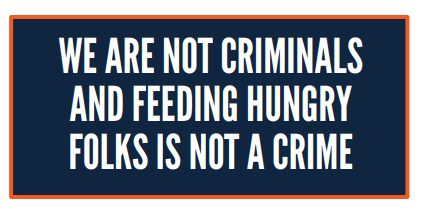
Criminalizing humanity:
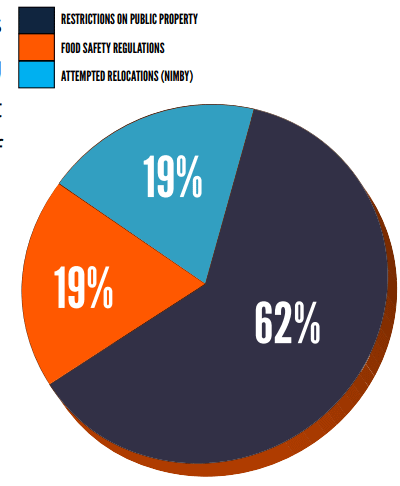
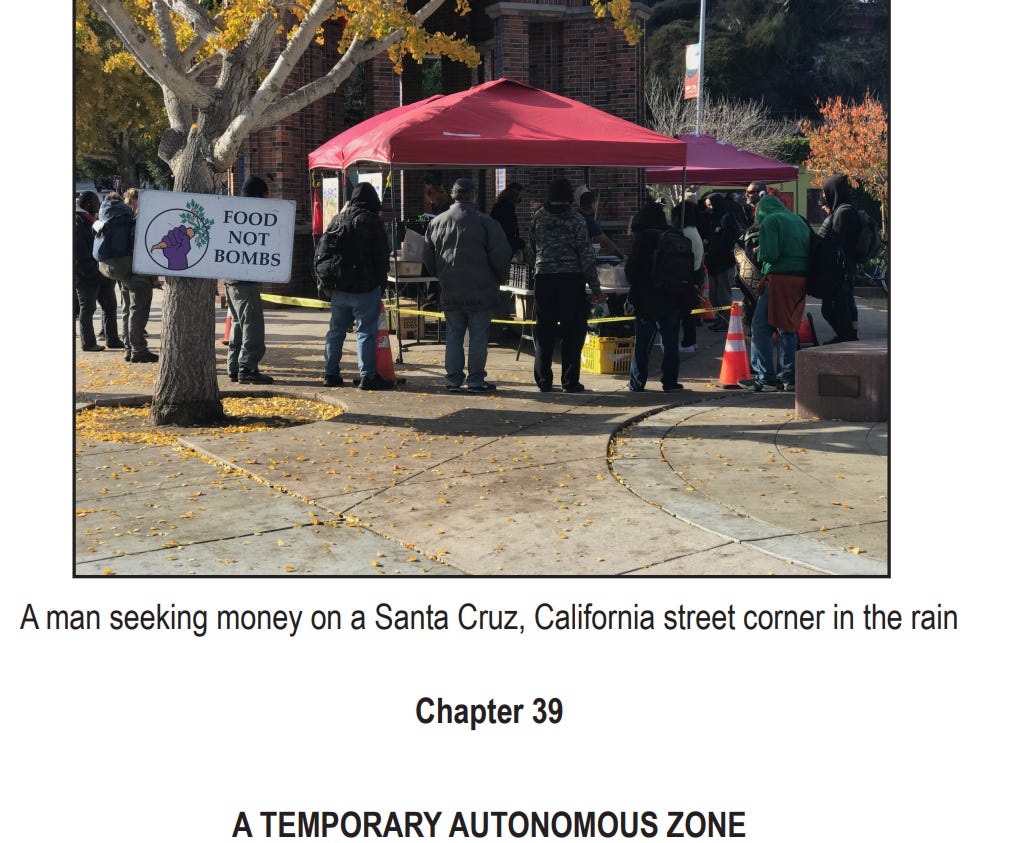
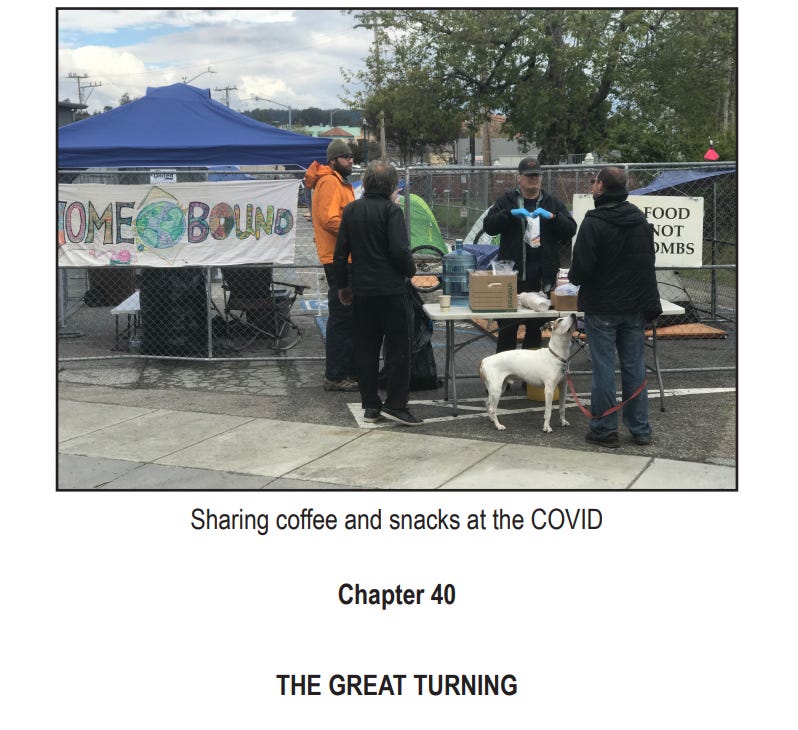
Susan Dunn, the legal director from the ACLU of South Carolina, argued: “That if food safety really was an issue, then what about things like family reunions in parks… there have never been any reports of any of the homeless people getting sick from the food…”
Dr. Bill Davis, a volunteer food distributor, stated: “You would think that the city would have something better to do with all their staff, facilities and equipment than to pick on people, who they are here to serve, who want kindness to other residents, who are so vulnerable having not enough money for even a home or food.”
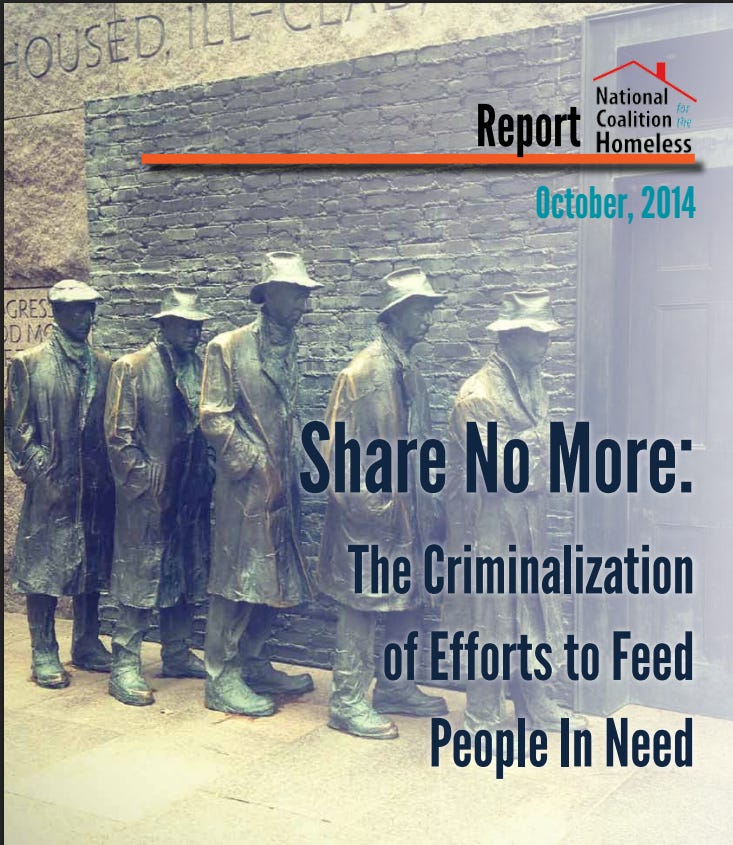
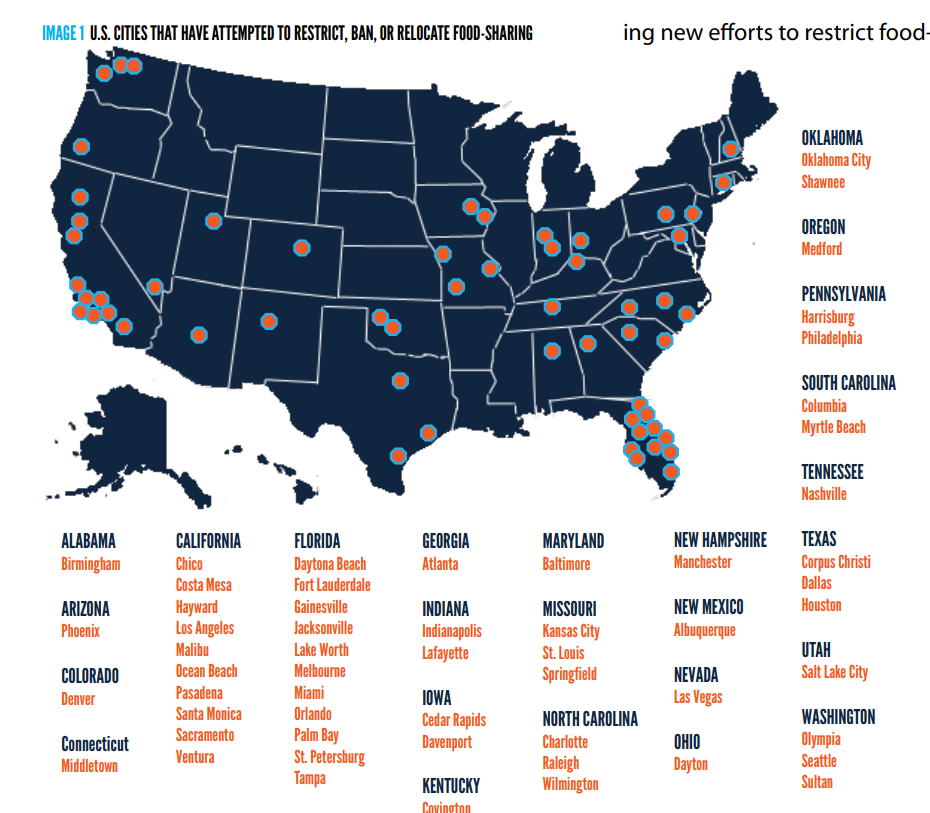
The National Law Center on Homelessness and Poverty completed a report in 2014 entitled No Safe Place: The Criminalization of Homelessness in U.S. Cities.
In this report, the organization documented 12 instances of food-sharing practices being restricted that were not included in this report. These cities include
• Baltimore, Maryland
• Cedar Rapids, Iowa
• Covington, Kentucky
• Davenport, Iowa
• Dayton, Ohio
• Denver, Colorado
• Gainesville, Florida
• Indianapolis, Indiana
• Jacksonville, Florida
• Orlando, Florida
• Palm Bay, Florida
• Tampa, Florida
F**king legacy, Keith, your legacy, man, the intergenerational and deep, deep trauma:
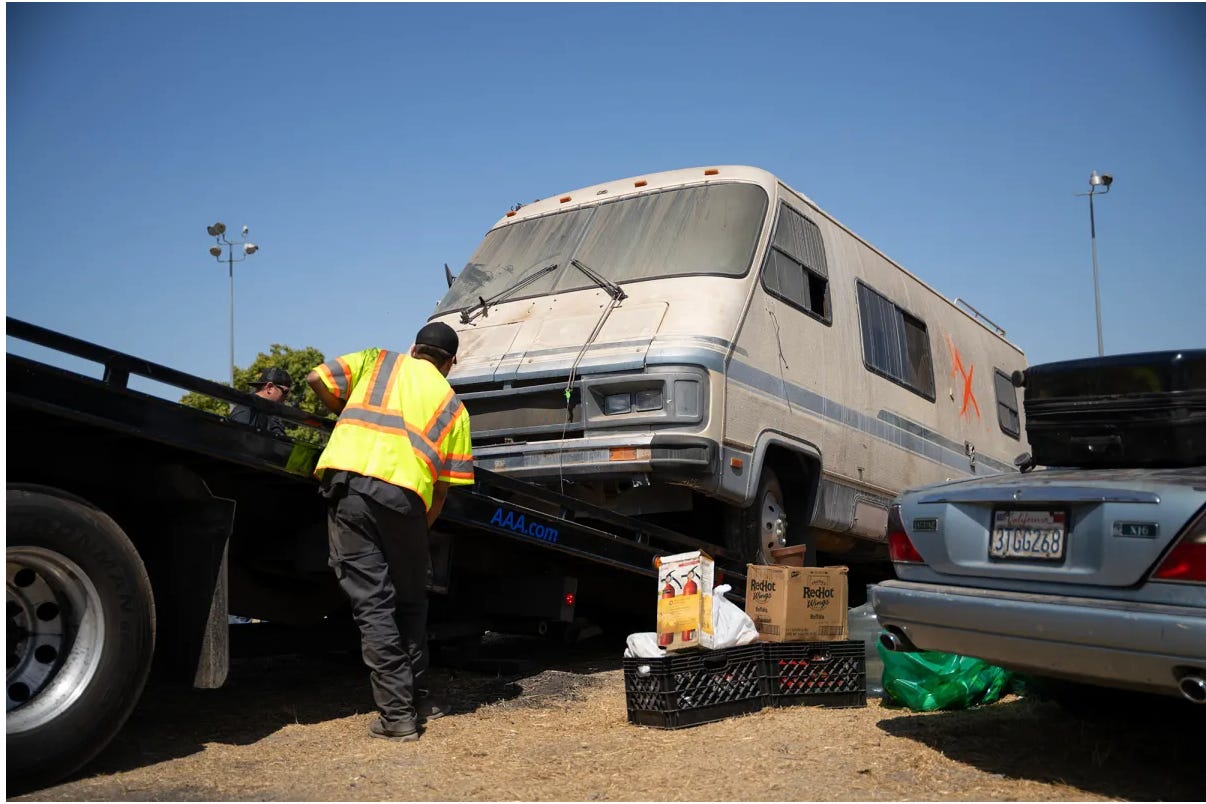
And the battles continue: New enforcement targets people living in cars, RVs on California streets
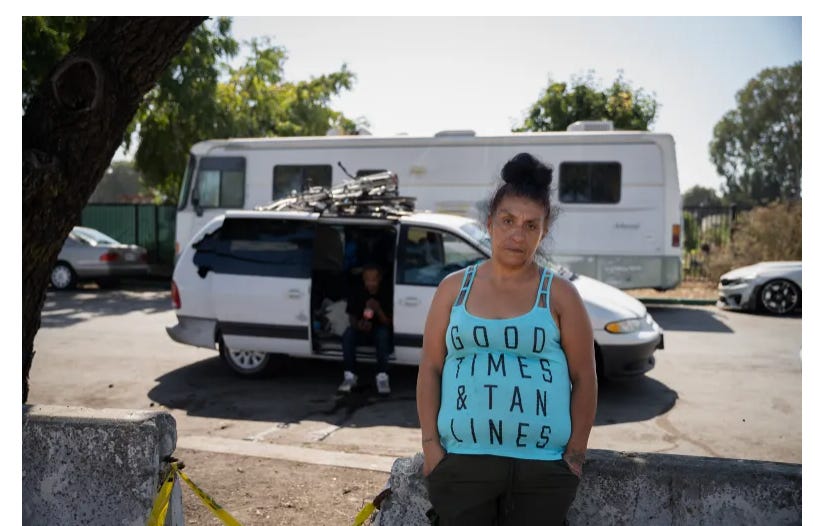
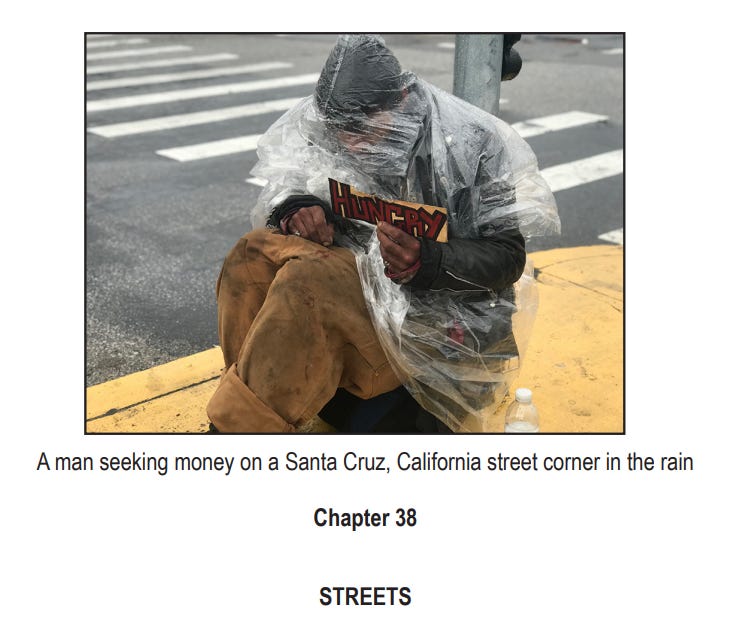
Valerie Vallejos has lived in her van for three and a half years and was shortly forced to evacuate Columbus Park during a sweep of the city’s largest homeless encampment in San Jose on Aug. 25, 2025. “I have no idea where I’m going to go. It’s kind of scary, you know,” said Vallejos. “It’s just sad. It’s just sad.”
FUCK you demons, you f**king democrats . . . .