


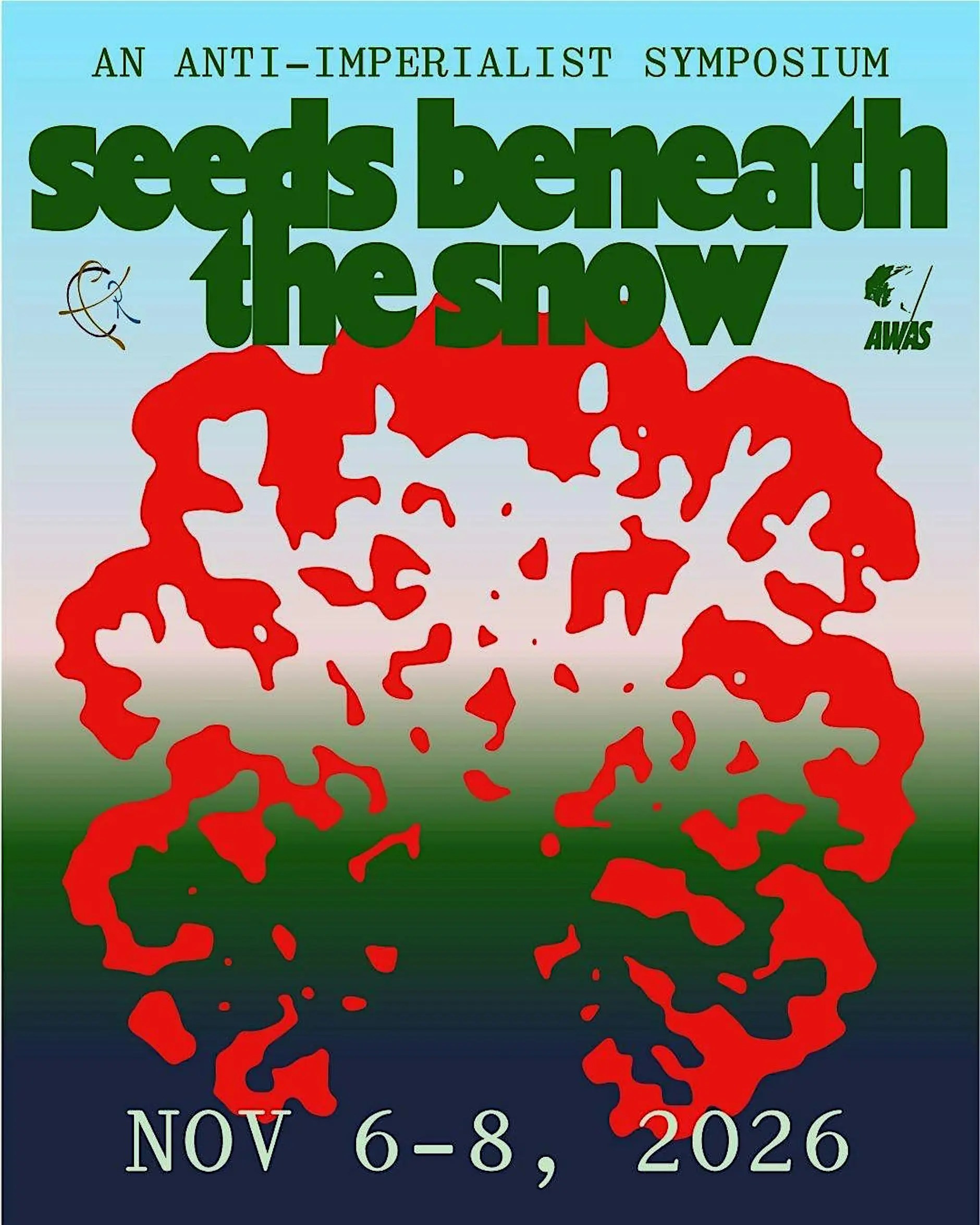
This week, Ottawa is boosting ties with a bloody Zionist monarch, may vote against Cuba, and will likely devote more resources to war with Russia. While there’s no short-term solution to Carney’s international depredations, an upcoming conference could sow the seeds of a movement challenging Canadian imperialism.
Monday and Tuesday, Prime Minister Carney is hosting UAE monarch Mohamed bin Zayed (MBZ). As I wrote recently, Carney has turbocharged ties with the federation of seven monarchies through a slew of visits and economic accords. UAE ties to Israel, hostility to Iran and large wealth funds explain Carney’s obsession with MBZ.
On Wednesday, the United Nations General Assembly will vote on an annual resolution condemning the US blockade of Cuba. Ottawa may abstain — even oppose — a motion usually backed by 95% of countries. Unlikely in most years when Canada’s vote has been automatic, there’s been a campaign pressing Ottawa to vote with the rest of the world because Carney’s UN representative recently abstained on a vote condemning Trump’s bid to strangle the island nation. As I have detailed elsewhere, Canada has assisted the odious US campaign to crush Cuba by spying for the US, undercutting its tourism industry and sanctioning oil tankers that could defy the energy embargo.
At the end of the week, a Canada-European Union summit is in Montreal, where Ottawa will likely double down on its conflict with Russia. Amid threats from Donald Trump, it makes sense to boost ties with the EU, but Carney’s focus on Britain and France, rather than larger trade partners Mexico and China, reeks of imperial/racial attachments.
At the EU summit, Ottawa will likely announce more assistance for Ukraine. Since playing a substantial role in ousting elected President Viktor Yanukovich 12 years ago, Canada has been knee-deep in a proxy war with Russia. As I detailed when Canada signed its hundred-year accord with Ukraine, Ottawa’s policy is rooted in nearly two centuries of overt hostility to Russia flowing from Canada’s ties to the British and US empires.
Ukraine highlights the conformity in official US empire politics on many international issues. Like Ukraine today, the NDP has supported NATO wars in Libya and Yugoslavia. On Cuba, Palestine, and some other international issues, the NDP, Greens, and Bloc Québécois have sometimes pushed back. But the Green leadership has gone to remarkable lengths to suppress international solidarity, and the NDP barred a leading critic of Canadian foreign policy from even entering its leadership race (in their rationale for my exclusion, the three-person vetting committee only cited international policy positions).
Imperialism and militarism dominate Canadian politics. That’s why next week’s Seeds Beneath the Snow symposium in Toronto is important. Beginning November 6, the conference will present “three days of anti-imperialist political education”. I’ll be speaking alongside Ajamu Baraka, Vijay Prashad, Sara in Tehran, Tyler Shipley, Gord Hill, Tamanisha John, and others.
It’s imperative to challenge the worst of Mark Carney’s specific international indignations. But we also need to build broader consciousness and organizational structure. We need to introduce the specter of anti-imperialism in Canadian politics.