






Listen HERE ahead of the KYAQ FM August 26 airing!!
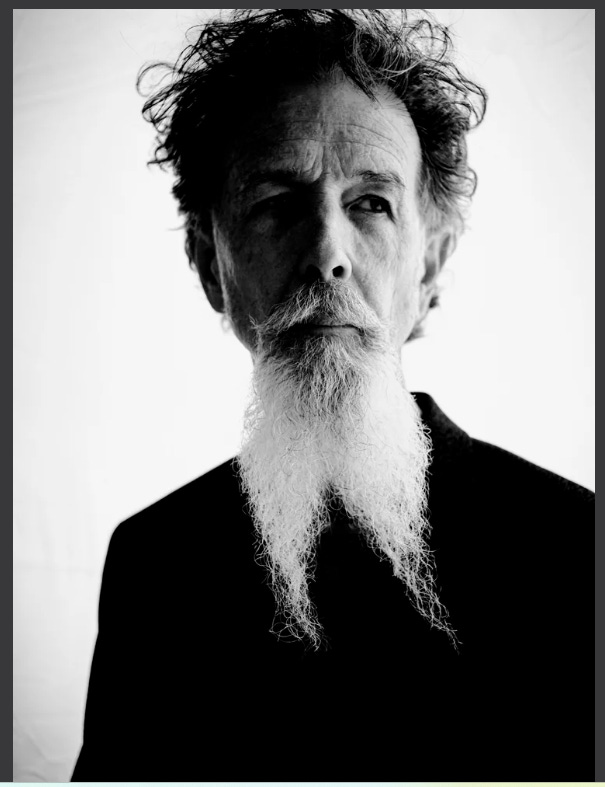
Upcoming shows
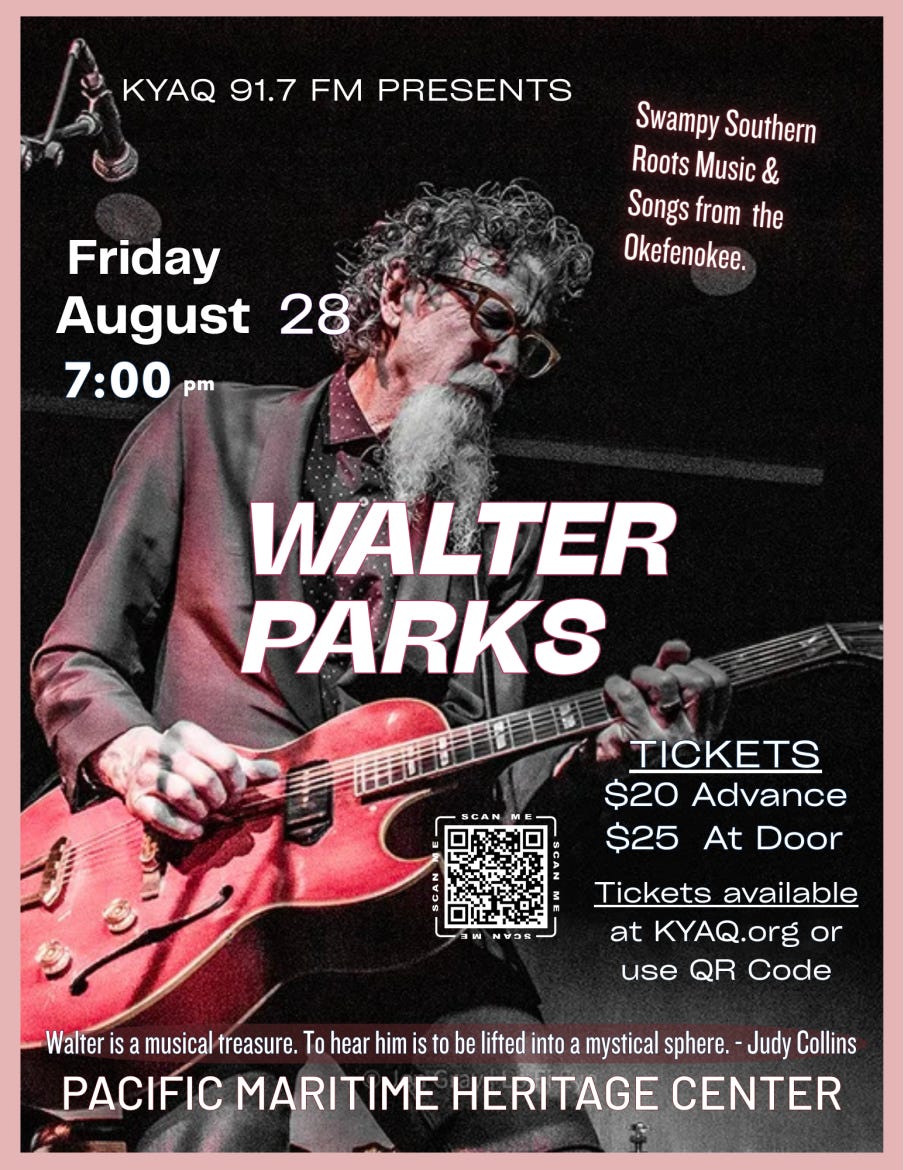
8/22 St Louis, MO Kirkwood Performing Arts Center
8/26 Seattle, WA The Triple Door
8/28 Newport, OR Pacific Maritime Heritage Center
8/29 Portland, OR Artichoke Music
8/30 Bellingham, WA New Prospect Theatre
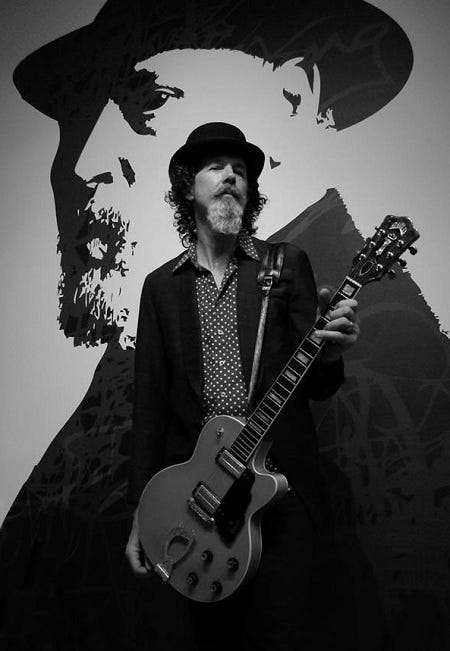
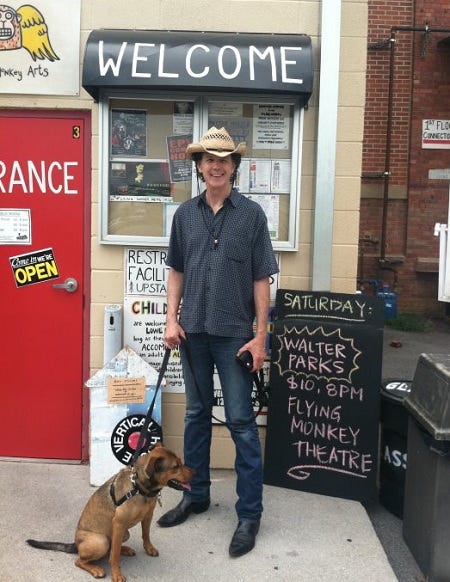
“The blues expresses the ubiquitous and perpetual unfortunate human condition. There is great blues music being made today.” — Walter Parks
“The blues delivers the message via plain “street” language but rap endeavors towards a more poetic approach that creatively twists street language.” — WP
Another fundraiser for the local radio station, KYAQ 91.7 FM. Walter was kind enough to explore “things” on my show, Finding Fringe: Voices from the Edge. Listen to him above riff with me on his own life, his narrative flow, music, and his perpetual musical motion and evolution.
Quoting Parks:
The blues is the most humbling music form that I have attempted. I am very hard on myself sometimes because I endeavor not to be a fraud. To be honest, it’s erroneous to describe me as a blues player because I have not lived the blues. I am inspired by blues guitarists. Furthermore, I am inspired to visit the epicenter of all blues music – The Mississippi Delta, but when there I am all too aware that I am only a visitor. When I imagine myself juxtaposed with poor American blacks who actually live the blues, I feel embarrassed to be described as a blues guitarist.
I am grateful to have not endured much hardship in my life. A career in the arts in the U.S. has not been easy to maintain, but I have not suffered. Because I have not suffered, I would not consider myself qualified to “play the blues” because I have not had them. That said, I am qualified to play the feeling of the conflict between the races that I grew up with in the American Southeast. When I was a boy, blacks and whites still had to use different bathrooms and water fountains. I can play the feeling of the land and peoples of the place that I was raised in – Northeast Florida. The South, where I am from, lost the War Between the States. The shame of this loss still reverberates in the Deep South culture because we knew that the eradication of slavery, shameful as it was, was used as an excuse for war. Southerners from the U.S. who know their history know that the real reason for that war was the northern desire to control prospering southern commerce. It conveniently gets overlooked that the cotton that the slaves picked in the South was shipped to northern mills to be processed.
When I was younger, I was taught, not in direct verbal lessons, but in the behavior of whites around me, that blacks were tainted, dirty, lazy, undignified. All this was a personal conflict for me because I liked black music so much; therefore, I recognized much dignity in the culture. Suffice it to say that today when I play, I don’t play the blues; instead, I try to honor black culture and the best two music forms that the U.S. has ever produced, the music art form created by blacks – the blues and jazz.
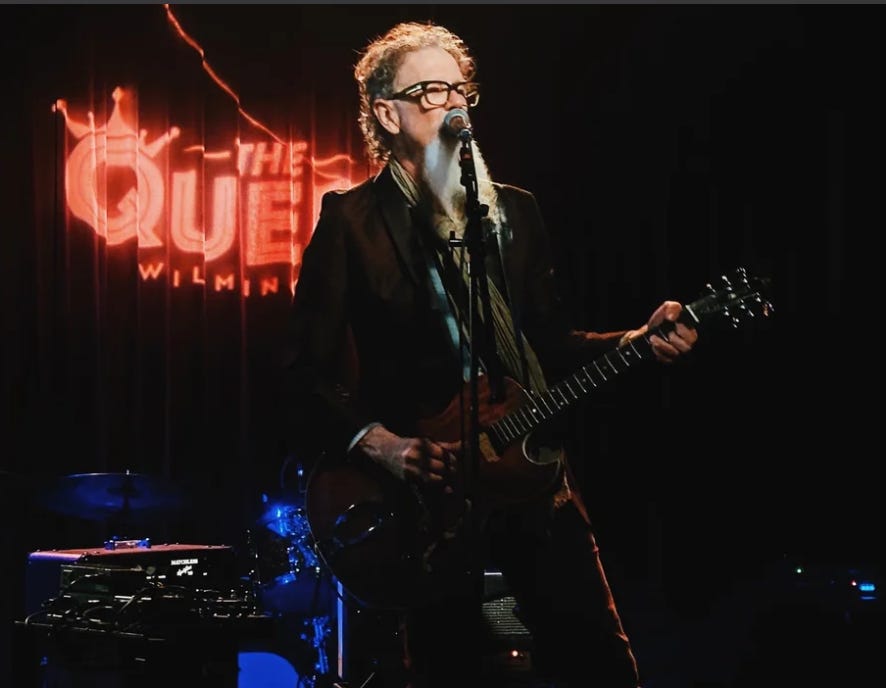
He’s a Jacksonville, Florida, native, with all the separate and unequal black bathrooms and drinking fountains in a land of White Men Only Get the Honey and Blacks Get the Crumbs. He’ll be 67 this year. He’s an elder from way back, and Richie Havens was his limelight for ten years, playing as a front-man guitar brother.
He’s been looking into spirituals, blues, swamp music, and hollers:
Field Hollers (Historical Roots)
– Origins: A field holler is a historical solo vocal expression used by enslaved African Americans and laborers working in Southern fields.
– Style: It features unmetered, highly melismatic, and melancholic vocal lines without strict lyrics.
– Impact: This practice helped shape early blues, gospel, and rhythm and blues.
Stomp and Holler (Indie Folk Genre)
– Origins: A modern indie-folk rock subgenre popular in the 2010s.
– Style: Features acoustic guitars, heavy foot-stomping percussion, clapping, and roaring, passionate group chorus singalongs.
– Artists: Well-known examples include Mumford & Sons and The Lumineers.
Appalachian “Holler” Music
– Origins: Traditional acoustic mountain music from the remote valleys (”hollows”) of Appalachia.
– Style: Played on front porches using fiddles, banjos, and acoustic guitars, focusing on local storytelling, bluegrass, and folk roots
Here’s the YouTube blurb: Walter Parks was raised in Jacksonville, Florida. A consummate guitarist, he formed the duo The Nudes in 1991, and spent much of the 1990s touring with them around the US. The Nudes toured as a supporting act for Woodstock legend Richie Havens, and after the duo’s breakup Parks was enlisted as Havens’s guitarist and right-hand man. With Havens, Walter performed at Madison Square Garden, Carnegie Hall, and the Cannes Film Festival. With his trio Swamp Cabbage, Walter has performed at the Breminale Festival in Germany and toured Spain twice. Through his deep interest in the music of his native region, he has become an expert on the American Folklife Center’s Francis Harper collection of folk music of the Okefenokee Swamp region of Georgia. For the Homegrown 2020 series, he will perform an entire program of material based on field recordings from the AFC’s collections.
I brought up some things too:
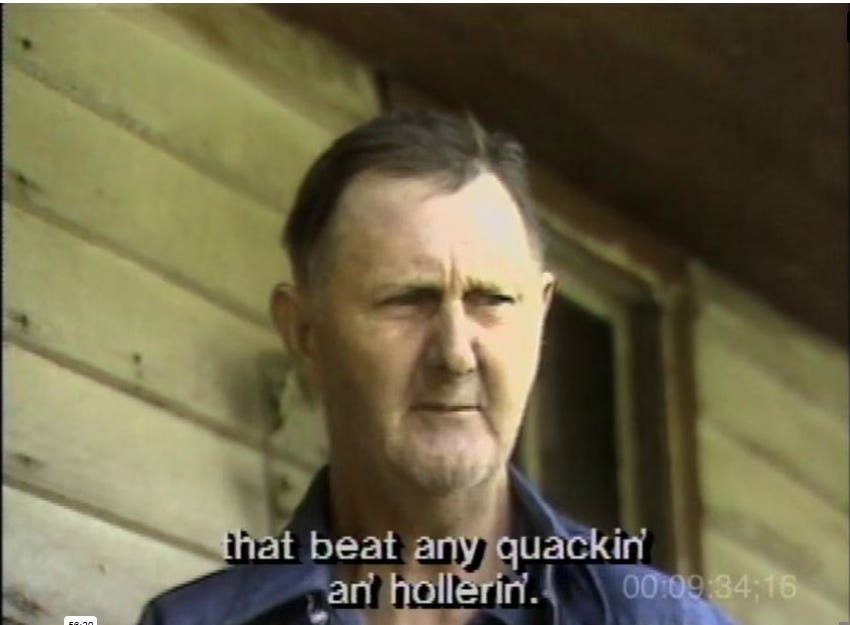
Appalachian Journey is one of five films made from footage that Alan Lomax shot between 1978 and 1985 for the PBS American Patchwork series (1991). It offers songs, dances, stories, and religious rituals of the Southern Appalachians. Preachers, singers, fiddlers, banjo pickers, moonshiners, cloggers, and square dancers recount the good times and the hard times of rural life there. Performers include Tommy Jarrell, Janette Carter, Ray and Stanley Hicks, Frank Proffitt Jr., Sheila Kay Adams, Nimrod Workman and Phyllis Boyens, Raymond Fairchild, and others, with a bonus of a few African-Americans from the North Carolina Piedmont. Narrated by Alan Lomax. The Association for Cultural Equity’s Alan Lomax Archive channel on YouTube additionally streams outtakes from this film: other strong performances by Sheila Kay Adams, Dellie Norton, and Cas Wallin, Lawrence Eller, the Hickses, Algia Mae Hinton and John Dee Holeman, Tommy Jarrell, John “Doodle” Thrower, and Nimrod Workman. “There were only four kinds of country music. One is your gospel songs, your religious songs. The others were your jigs and reels, like we spoke of a while ago at fiddler’s conventions. Your third were your heart songs, sentimental songs that came from the heart, and the fourth, which has passed out to a degree today and was terrific in those days, were the event songs.”Holler music” can mean a few different things depending on whether you mean historical vocal traditions, modern indie-folk styles, or regional Appalachian roots.
Ten Words to describe himself? American, Southern, uplifting, funky, gnarly, rootsy, loud, poetic and honest, and honoring. WP
From an old interview:
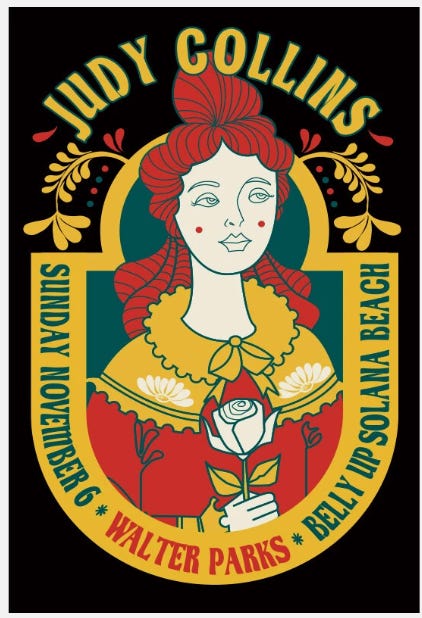
Musician Judy Collins said of Walter:
“Walter Parks is an extraordinary singer whose songs can break your heart as well as get you dancing. […] Walter is a musical treasure, an artist of the highest caliber. To hear him is to be lifted into a mystical sphere. I adore him.”
How did you meet her?
I met her when I was touring with Richie. We met backstage.
I love being around Judy. She is a real pro. She takes such good care of her vocal instrument. She cherishes that gift that she’s been given. I was inspired by that. I loved talking with her. We used to chat for hours.
I did some tours with Judy across Canada as her opening act. At some point, she asked me to play with her at Lincoln Center. It was just one song – “Turn, Turn, Turn” by Pete Seeger, and that was just me on guitar with Judy Collins. I did the foundational work. I just loved that responsibility. — WP
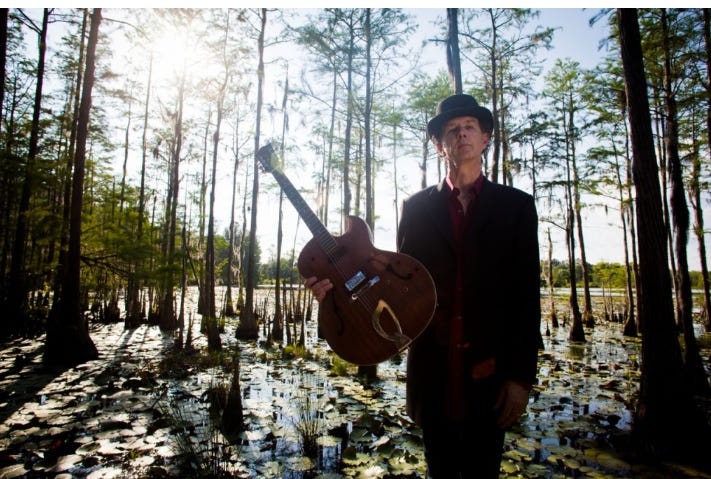
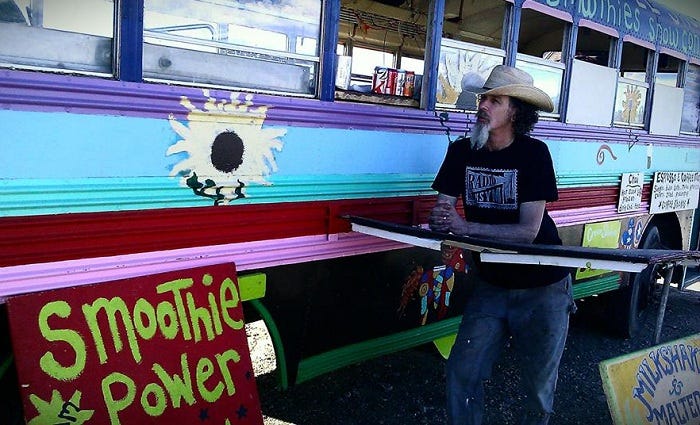
That’s 15 years ago, the photo above, and in it, he’s in the swamp, without the Confederate general’s beard and such.
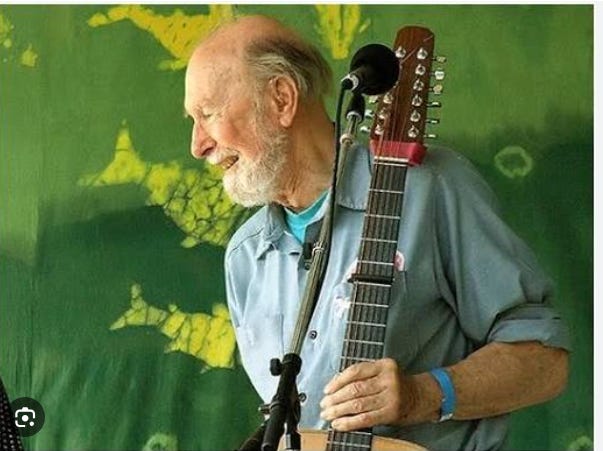
I brought up Twelve Years a Slave, Exterminate All the Brutes, ‘Strange Fruit,’ ‘Mississippi, Goddam.’ He sang ‘Amazing Grace’ for his old man’s memorial, and I brought up that sailor, John Newton.
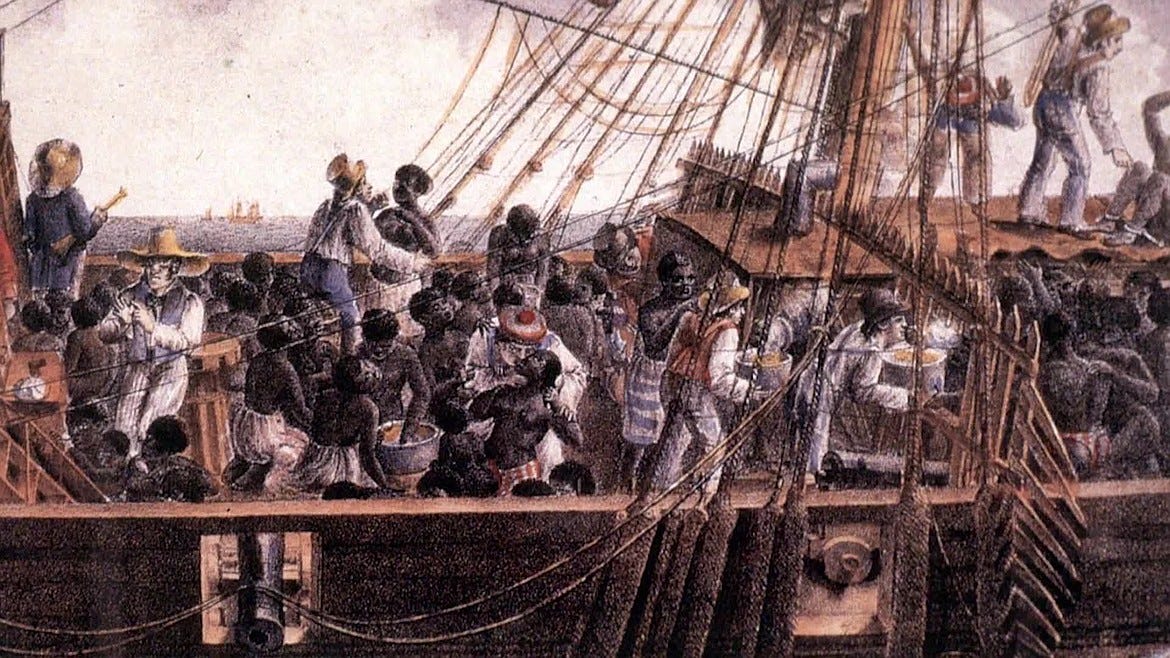
Amazing Grace author’s slavery confession found ‘hidden in plain sight’
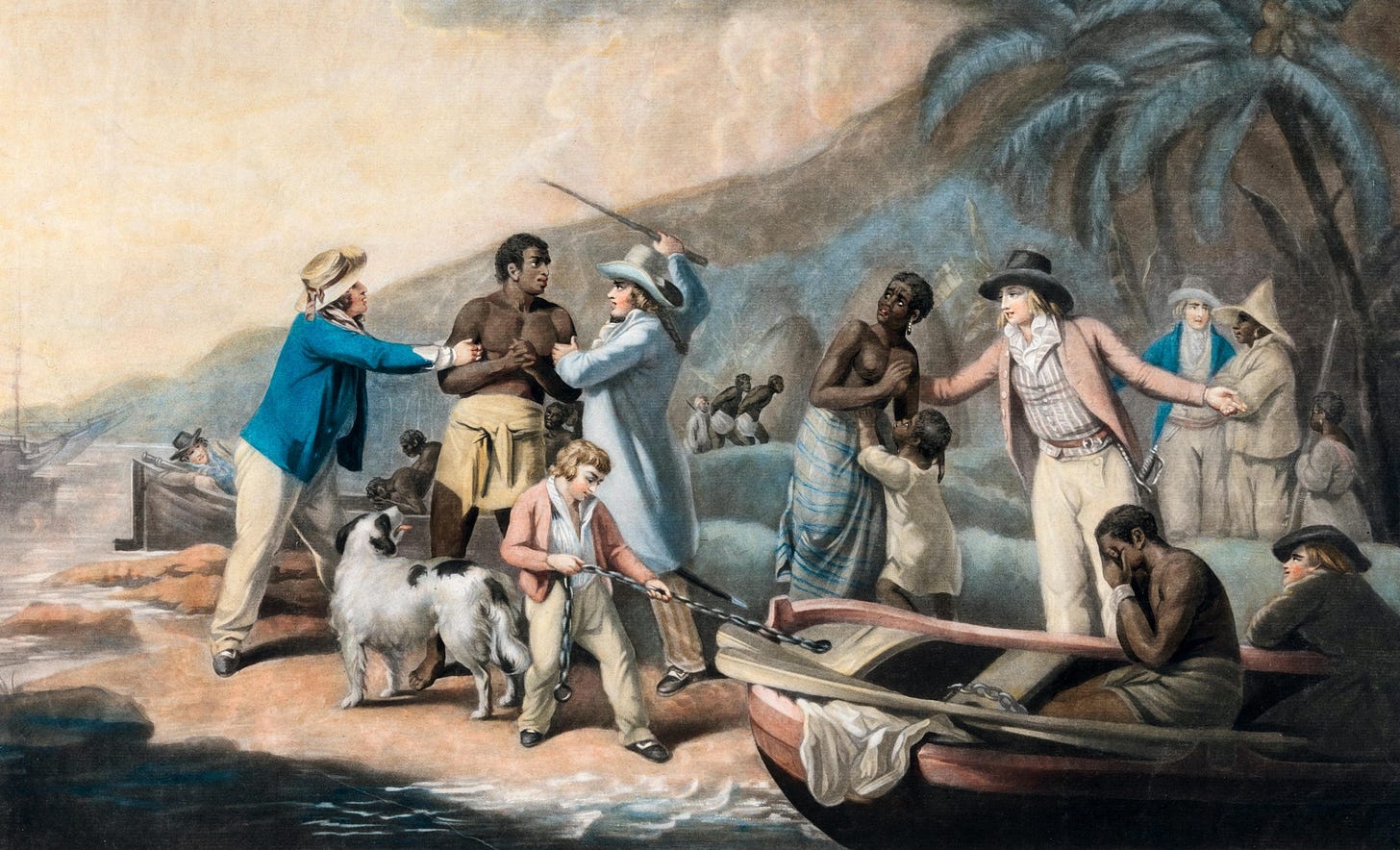
Always gotta un-deoderize history, man:
The Three Final Voyages of John Newton =
- First Voyage (1750): Commanded the slave ship Duke of Argyle.
- Second Voyage (1752–1753): Commanded the slave ship African.
- Third Voyage (1753–1754): Commanded a final voyage on the African before a severe health issue (a stroke/convulsive fit) forced him to permanently stop seafaring in 1754.
Context of His Career
- Continued Involvement: Even after his famous 1748 conversion experience during a storm at sea, Newton did not immediately see a moral contradiction with the slave trade, viewing it as a conventional and lawful profession at the time.
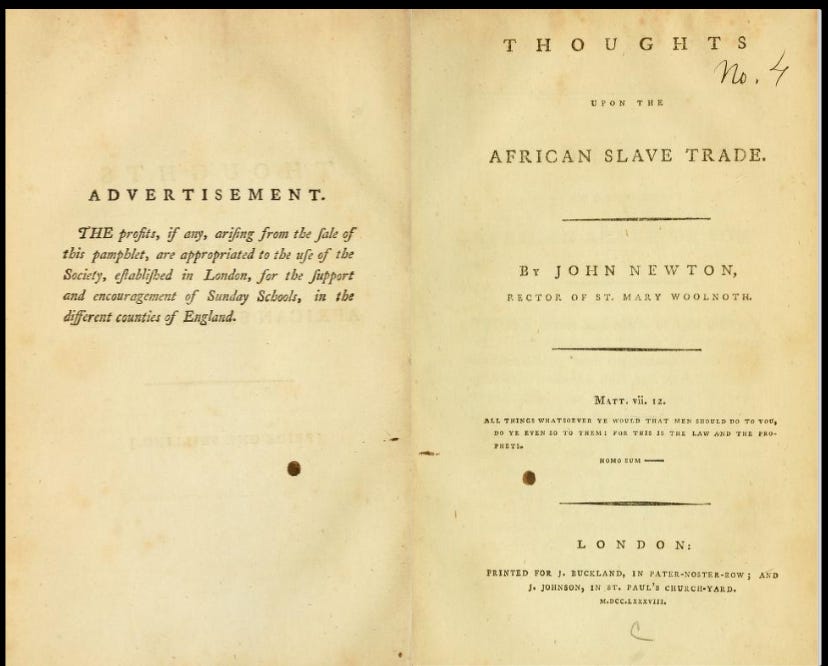
- Later Abolitionist: Decades later, deeply regretting his past, Newton publicly denounced the institution and wrote the 1788 pamphlet Thoughts Upon the African Slave Trade, strongly supporting William Wilberforce in the movement to abolish the trade.
“I would ask Buddha if he could hang out with me for a whole day and try to download from my mind my day’s honest thoughts. I would want to hear his comments. I would want to know how Buddha would deal with life in the modern age.” — Walter Parks
My talk with him airs/streams Wednesday, 8 PM PST and Thursday, 3 PM. KYAQ. August 26, 27.
Quoting Walter:
The precursor for becoming an artist is being emotionally open and having a strong personal drive to make art. This career path is not really a choice; instead, it is a path that we must take, a path propelled by faith in oneself. This is the only experience necessary. Unfortunately, the odds are strongly against artistic success in the U.S. I have come to the conclusion that the business world in the U.S. regards artists as “getting away with something” or, in other words, not pulling their weight in society.
It is absolute torture for a person of artistic sentiment to hold what I call a “regular job” (or “9 to 5” job). The artistic process occurs when inspiration hits, yet the archetypical office worker must trudge on regardless of whether he/she/feels inspired to do so. I have held “regular” jobs, so I do not feel superior to those who have them. In fact I am indebted to them because they comprise my audiences. Artists provide the rest of society with hope that life can be better.
He has his influences:
- I am forever indebted to Jim Devito, my producer for almost 20 years, because he taught me the difference between what good and bad sound was. He taught me to value old tube amps and all things analog.
- Daniel Lanois (producer for U2 and Peter Gabriel) told me not to try. By this he did not mean don’t attempt or don’t be inactive; he simply meant BE. Be natural.
- Arlo Guthrie told me that an audience wants to feel like they know you.
- Richie Havens never really gave me advice, but I watched him give 100% of his attention to every “average person” that he ever had dealings with. Richie never scanned a room to determine if he could be talking to a more important person than the one to whom he was already talking.
Walter:
I spent 30 years searching for a musical style, and I finally found it in the repertoire that I wrote for Swamp Cabbage. I had left the southern U.S., where I grew up, for New York, hoping to rid myself of all things southern about me. Ironically, people in New York admired a southern sense about me that I didn’t think that I was showing. Eventually I realized that embracing my roots was the only path to artistic uniqueness, the precursor to artistic success.
This is a great time to be asking this question, for only now, this deep in my career, have I found a way to answer it without arousing inner conflict. My music philosophy simply is to make quality, meaningful music and look for people who want to hear it and pay for it. I would hope that I can inspire other people along my path to be brave enough to live a creative life and not surrender to a money-oriented existence. I love making money, but I have not steered my life towards the beacon of the highest monetary reward.
**Thanks to material from the interview of Walter by Michael Limnios
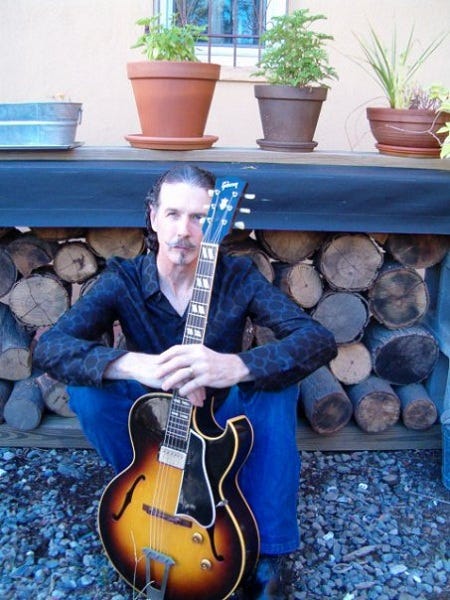
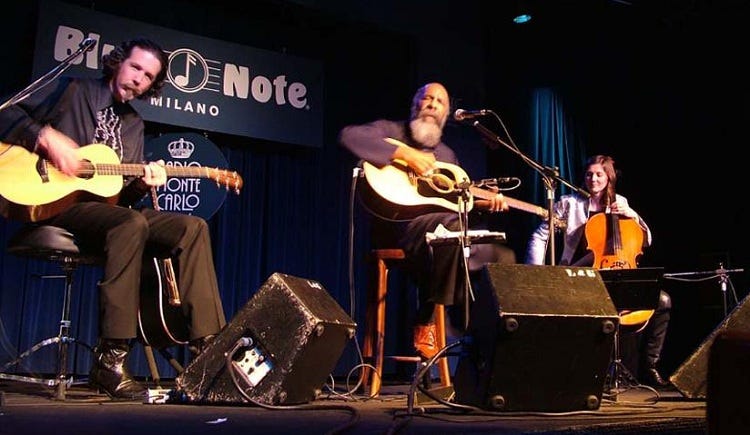
[The blues is the most humbling music form that I have attempted. I am very hard on myself sometimes because I endeavor not to be a fraud.” (Photo: Walter Parks with Richie Havens)]
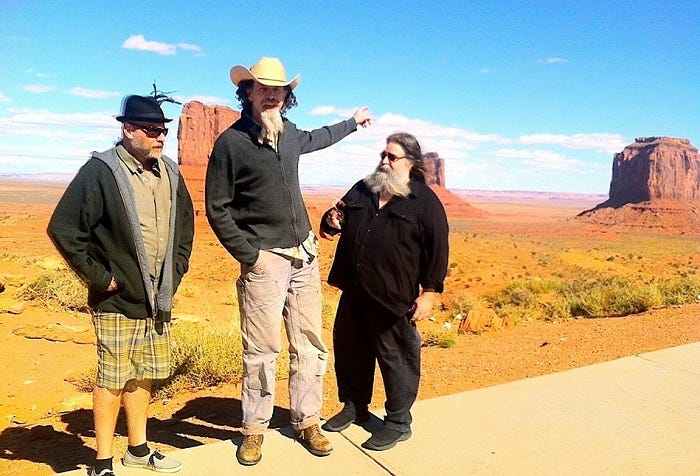
[“My music philosophy simply is to make quality, meaningful music and look for people who want to hear it and pay for it.” (Photo: Walter with Swamp Cabbage, Jagoda and Jim Devito)]
[“The blues delivers the message via plain “street” language, but rap endeavors towards a more poetic approach that creatively twists street language.”]
Check it out: Welcome to Blues.Gr! The online community of people that got the blues, jazz, and rock culture on planet Earth.