







There’s something broken in America. Our economy is broken. Our politics are broken. Even our relationships with each other feel broken. That’s because the most powerful people in the world want it that way. The biggest divide in this country is not left vs. right. It’s top vs. bottom. Billionaires want us looking left and right at each other instead of looking up at them. The people at the top work so hard to keep us angry and divided because our unity is a threat to their wealth and power. So their cable news networks and their social media algorithms tear us apart. They divide us by party, by race, by gender, by religion so we don’t notice they’re defunding our schools, gutting our healthcare, and cutting taxes for themselves and their rich friends. It’s the oldest strategy in the world: divide and conquer.”
— Texas US Senate candidate James Talarico
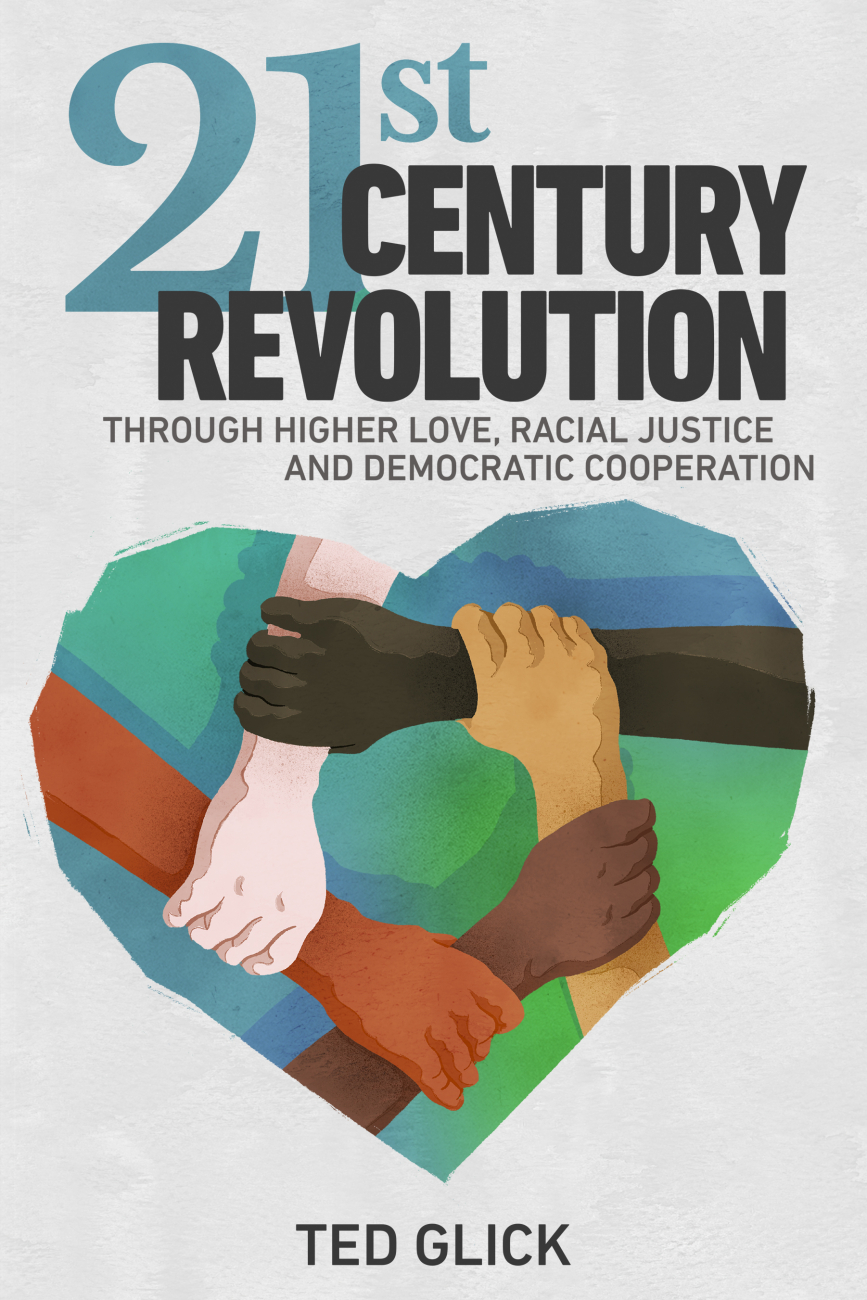 I recently finished writing 10 of these columns about “21st Century Common Sense,” a relatively short overview of how I see our human realities in 2026 and what we can do about them. In so many ways, what Talarico says above is just “common sense.”
But there’s more that needs to be said about this.
As I thought about writing this column over the last few days I kept remembering an experience in Washington, DC in the early 1980s that I had as a young, progressive activist and organizer. I was there as part of a couple of days of rallying and lobbying around issues of racial justice organized by the National Anti-Klan Network, led by long time African American leader Rev. CT Vivian. Vivian began his anti-segregation, anti-racist activism in 1947 at the age of 23. He worked alongside Dr. Martin Luther King, Jr. in the Southern Christian Leadership Conference in the 50s and 60s. He passed on at the age of 95 in 2020.
I remember sitting at a table with him and others at one point, and I said something essentially consistent with what Talarico said, that we need to bring together, black and white working people, in order to bring about needed change.
Vivian responded, saying that the problem with looking at it that way is the reality of virulent racist ideas and actions of too many white working-class people. We need to work with other white people, he implied, who may be more middle- or higher-class but who get it on the need to speak out and take action on racism.
Today, 45 or so years later, it is very clear that the problems of racism, sexism, and heterosexism have not been solved. The fact that Donald Trump is President, alone, underlines that fact.
But it’s also true there is a much more extensive network, a larger number of people, tens of millions of us, who get it on these issues and are willing to take action on them. The murder of George Floyd in Minneapolis in June of 2020 led to upwards of 25 million people taking action in the streets all over the country. And the fact that an African-American man was elected President twice in 2008 and 2012 is another big example.
Obama’s election victories, while welcome given the Republican alternatives, helped somewhat to strengthen this anti-racist trend in US life, but it is questionable how much it helped to do what Talarico, and many others, myself included, believe in and are working for. The fact that he was no Bernie Sanders when it came to his administration’s economic policies and programs led to significant loss of support from white workers over the course of his eight years in office. A Gallup poll report in 2014, for example, put it this way:
President Barack Obama’s job approval rating among white non-college graduates is at 27% so far in 2014, 14 percentage points lower than among white college graduates. This is the largest yearly gap between these two groups since Obama took office. These data underscore the magnitude of the Democratic Party’s problem with working-class whites, among whom Obama lost in the 2012 presidential election, and among whom Democratic House candidates lost in the 2014 U.S. House voting by 30 points.
Talarico and all of us who see ourselves as progressives need to be about a different “top vs. bottom” in this third decade of the 21st century. On the one hand, we do need to emphasize this point as we go about our work, actively emphasizing that working people or all colors, cultures and nationalities must consciously join forces against the billionaire class and do so with urgency. At the same time, we need to unite in a way which takes into account the very real issues which have kept us divided and fighting each other.
As I put it in one of my 21st Century Common Sense columns:
The major divisions keeping the working class separated are racism, sexism and heterosexism. As a popular alliance emerges that unites the movements of people of color, the women’s movement, the lgbtq+ movement, the climate and environmental movement, young people, and the progressive elements of the labor movement and community-based working-class based movements, there is an arena for popular education on these and other divisive and backwards-looking ideologies. In the process of working together around commonly felt issues of concern, people grow and change. This can only benefit the working class.
What we need is an alliance where we all do our best to be good listeners, to respect and learn from one another so we can consciously unite “the bottom.”