








 A few days ago I saw an interview of Texas Governor-Elect Gina Hinojosa by a New York Times reporter who was pressing her on whether she was still a “progressive,” which is how in the past she has described herself. At one point she was Vice Chair of the Texas Legislative Progressive Caucus. But in the interview, she emphasized that, right now, “we are facing an existential crisis in this country because tech giants are having their way with us,” with working people, and, she said, our emphasis has to be on building “economic power” against these destructive entities.
I’ve heard AOC, Alexandria Ocasio-Cortez, say something similar, that the issue is not Left vs. Right, but top vs. bottom. US Senator-Elect James Talarico has also articulated this, and I’m sure there are others elected to Congress or other offices on November 3 who have the same general view.
As a long-time progressive, here are my thoughts on this issue:
There is no question that in this year 2026, following the Democratic Party rout of the Trumpist Republican Party on November 3, there is clearly a massive constituency for this approach in general, a clear majority of the US population. Democrats ran and won in every section of the country primarily by emphasizing the issues of affordability and corruption, war and inflation, on the part of Trump and his cronies. They must follow through come early January and move rapidly to pass legislation in the House and Senate on these issues, particularly, at first, the Iran war and universal health care.
As they do so they must take into account the fact that people of color, Indigenous people and women are, in general, most in need of this legislation because they have been most negatively affected by the arrogant billionaires and corporate profiteers who have dominated the US government under Trump, as well as before then too.
What is needed in federal legislation are changes in health care, housing, minimum/living wage, child care, energy policy and more which benefit all those of whatever color, culture, nationality or gender who are economically stressed. We need something like a 21st century version of the Economic Bill of Rights proposed by President Roosevelt in 1944, one year before he died.
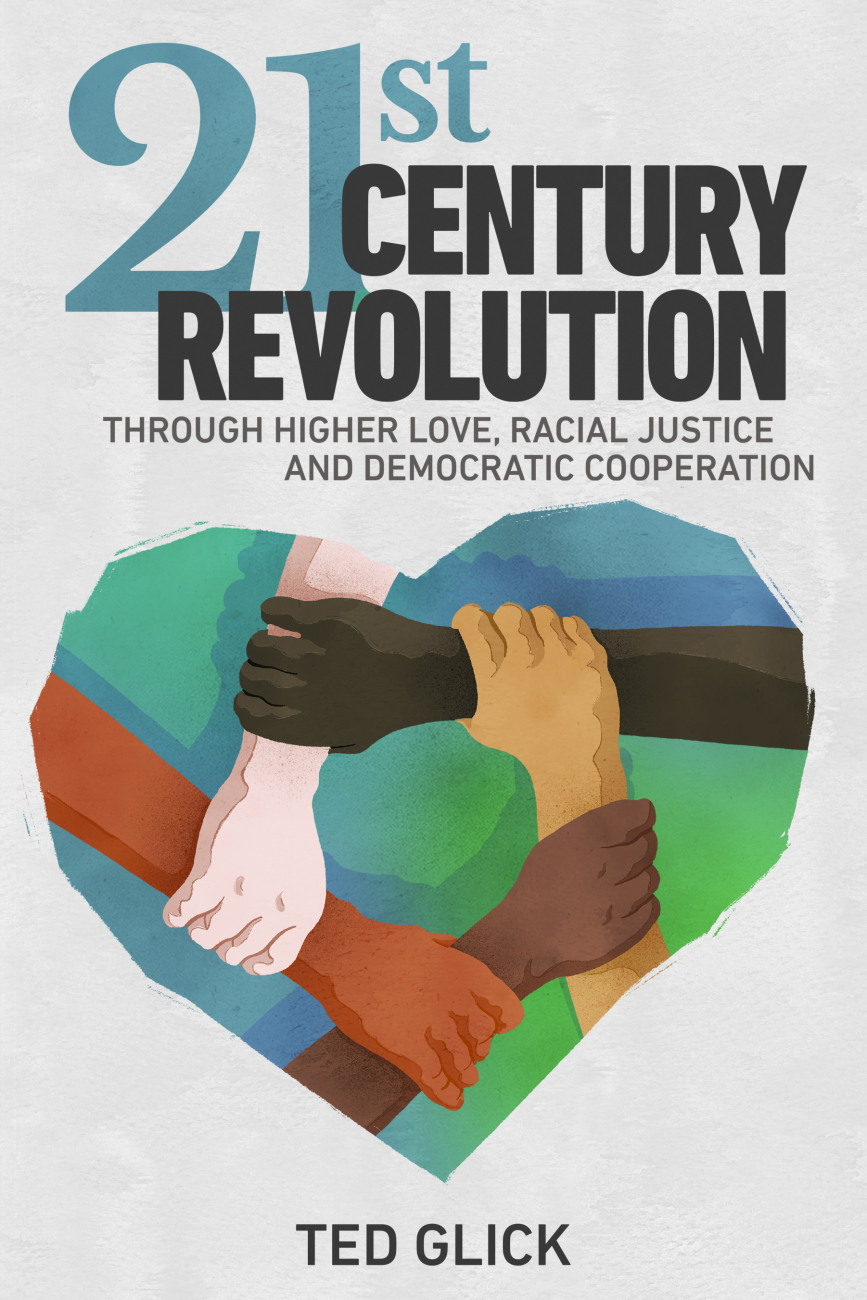
Those of us who see ourselves as progressives, who among other things are consciously anti-racist/sexist/heterosexist, must continue organizing work among white working-class people to strengthen support among them for an economic-and-social-justice-for-all perspective. This is the particular responsibility of white/Euro-American organizers who are serious about developing this kind of mass progressive consciousness.
This work will be more effective to the extent to which we can also link the populist economic justice message to the teachings of virtually all founders and leaders of organized religions, Christian, Muslim, Jewish, Buddhist and others, about our responsibility as human beings to “love your neighbor as yourself.” Talarico’s win, in particular, demonstrates the positive power of such an approach.
We cannot underestimate the big potentials of this historic moment. We need to keep up organized outreach, door knocking, phone calling and unity-building at the grassroots level to empower and push, as needed, populists and progressives in the House, Senate and state governments. Those tactics were essential to what happened November 3. We need to keep it up as we enter the next stage of our fight for government “of the people, by the people and for the people.”