







The full, bloody arc of 250 years of U.S. history’s contradictions is foundational, not accidental. Domestically, the United States was built by brutalizing and extracting from colonized and enslaved communities. From the Middle Passage to the plantation, from the massacre of Indigenous nations to the convict leasing system, from Jim Crow to mass incarceration, from redlining to Flint’s poisoned water, the U.S. has never known a peace not purchased by Black, Brown, and Indigenous flesh. Internationally, the same logic applies. The country that dropped atomic bombs on Hiroshima and Nagasaki; that carpet-bombed Southeast Asia; that trained death squads throughout the Caribbean and Latin America; that bombed and sanctioned Iraq into ruin; that armed apartheid Israel while leveling Gaza; that drones Somalia and Yemen – this is not a nation that holds a moral license to host a “world” celebration.
To host the World Cup in the U.S is to ask the world to look away. To attend is to accept the fiction that sport exists outside politics. But the politics of the World Cup are the politics of displacement, where stadiums are built on stolen land or razed neighborhoods, migrants and the unhoused swept from city centers, and local budgets gutted for security apparatus that will later be turned against protesters. The 2026 World Cup will be no exception. The July 19th final match in New Jersey will take place less than 10 miles from Immigration and Customs Enforcement (ICE) facility Delaney Hall, where a hunger strike, popular resistance from the outside, and violent state repression are currently colliding.
We therefore have called for a boycott of the 2026 World Cup. This is a political refusal, not to be confused with a symbolic gesture. Boycott is the weapon of the colonized, the sanctioned, the dispossessed. It says, “we will not applaud your stadiums while you bomb our homes. We will not sing your anthems while you starve our children. We will not provide the spectacle that cleanses your empire.”
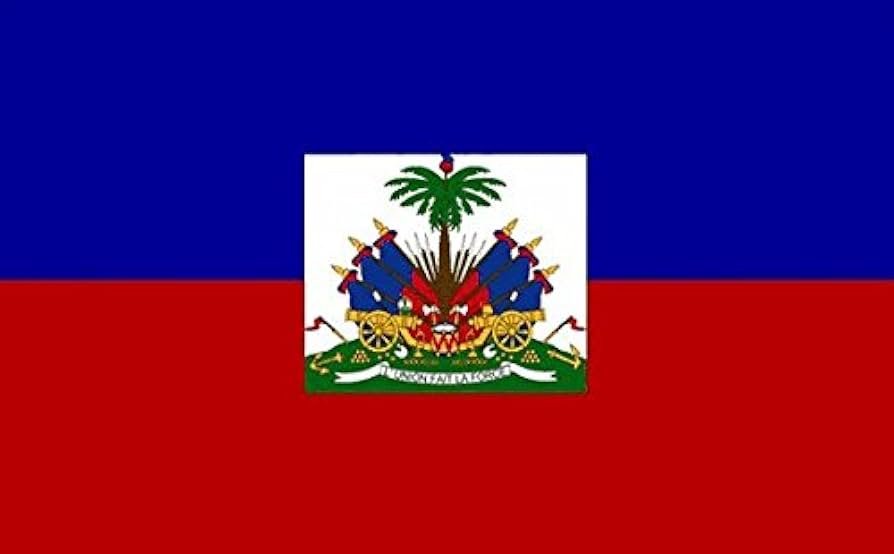 As we honored Haitian Flag Day, we remember that a small island of revolutionaries brought the entire slaveholding world to its knees. As we honored African Liberation Day, we remember that the continent once vowed to rid itself of colonialism entirely, and that vow remains unfulfilled. As we honor the self-determination of Black/African peoples in the U.S., we remember that this legacy is one of constant resistance to empire domestically and globally. A consistent, coherent critique, therefore, demands that the spirit of defiant self-determination cannot become conspicuously absent when we uncritically cheer for a World Cup built on migrant labor exploitation, greenwashing, and sportswashing. To reject the contradictions of 250 years of U.S. imperialism is to understand that the same hands that hold flags at a World Cup could instead hold signs, blockades, and mutual aid in the struggle for human dignity and collective liberation.
We refuse to be spectators to our own subjugation. We will continue to build our resistance.