




“The fact is that we live on a rapidly aging planet, and we will soon have but two choices if our species is to survive: engineer on a planetary scale or get off.”
― Peter D. Ward, The Medea Hypothesis: Is Life on Earth Ultimately Self-Destructive?
Airs Dec. 16/17: But LISTEN here NOW!
KYAQ (dot) org: Finding Fringe: Voices from the Edge.

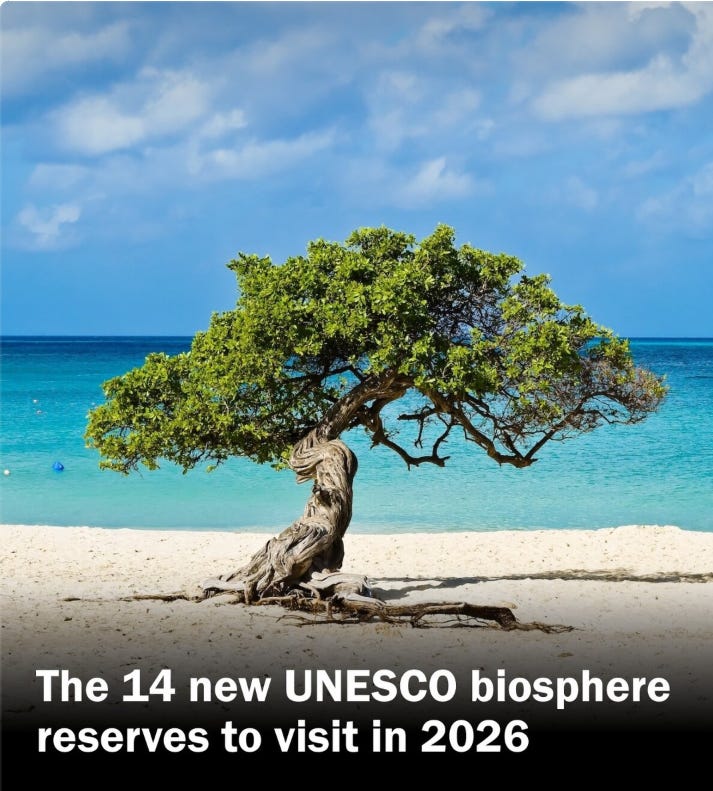
There are 797 UNESCO biosphere reserves across 145 countries in the World Network of Biosphere Reserves.
- Total Sites: 797 biosphere reserves
- Countries Covered: 145 countries
- Latest Expansion: Added 14 new sites on World Environment Day (June 5, 2026),
Key Roles & Background
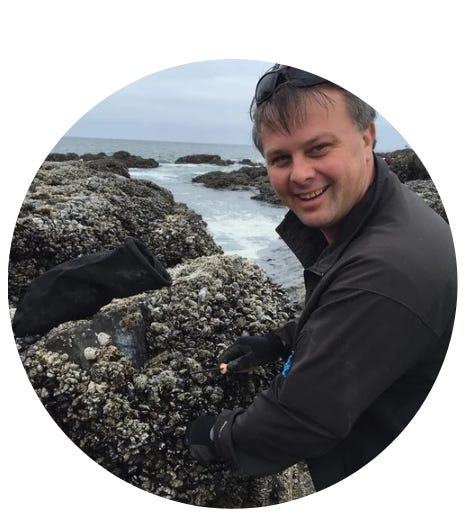
- Cascade Head Biosphere Collaborative: Serves as a staff scientist, project and communications manager, and founding board member.
- Robertson Environmental LLC: Founded the Lincoln City-based environmental consulting firm in 2017 to handle ecological research, restoration projects, and local water quality testing on the Central Oregon Coast.
- All Ways Productions LLC: Operates as executive producer and owner.
- Law of the Wild: Acts as a founding board member for the public-benefit law organization.
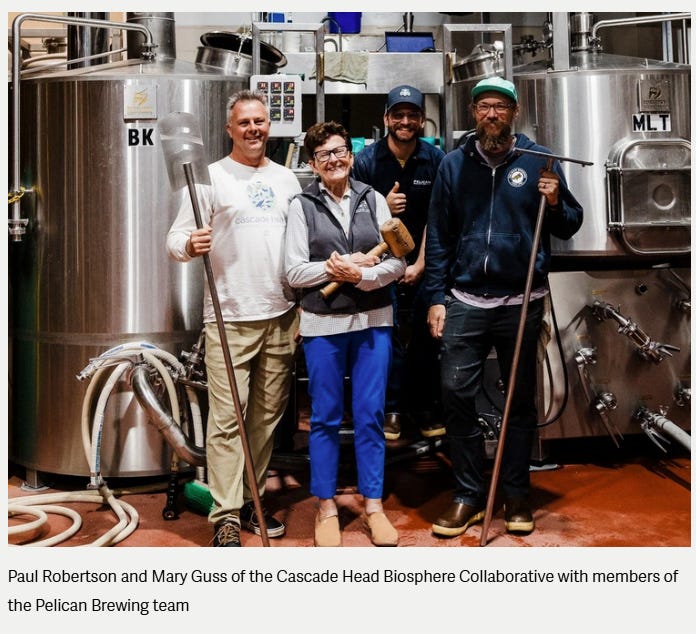
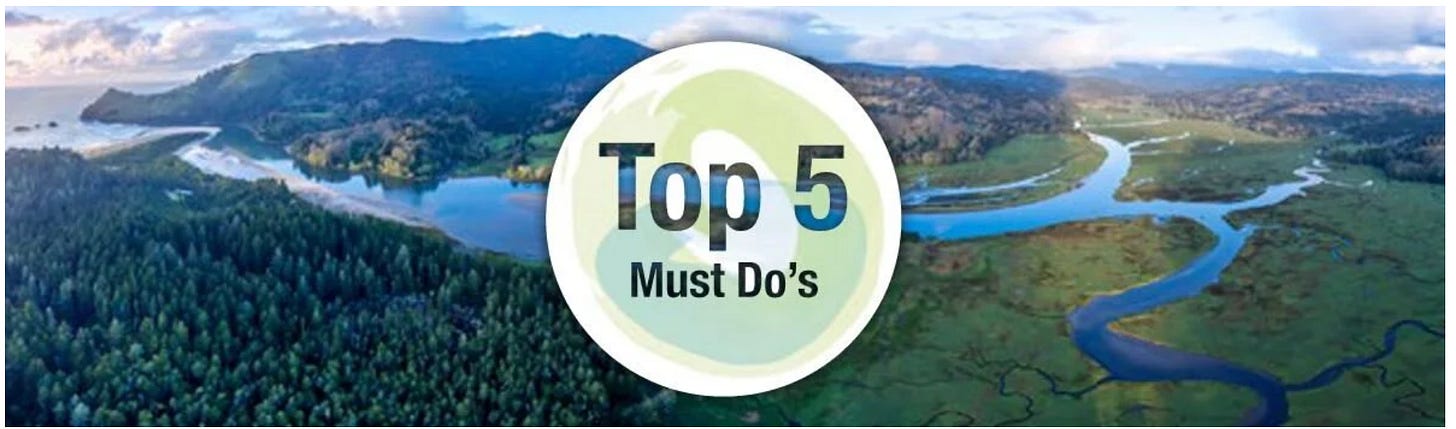
Five decades of conservation, research and community stewardship will be celebrated with film, poetry and a specially brewed beer when the Cascade Head Biosphere Region celebrates its 50th anniversary on Tuesday, Oct. 27.
Hosted at Pelican Brewing on Siletz Bay, the evening will feature the world premiere of “A Deeper Relationship with the Living Planet,” a new film exploring the connections between people and the natural world and the significance of the Cascade Head Biosphere Region.
Created by Oregon filmmaker and photographer Josh Havelind, the film looks back at the work that has taken place at Cascade Head over the past half-century while considering what stewardship of the region might look like over the next 50 years.
Havelind brings a scientist’s perspective to his filmmaking. With a background in marine biology from Oregon State University, he documents wildlife, ecosystems, and conservation efforts throughout the Pacific Northwest, using photography and film to tell stories about the natural world and the relationships people have with the places around them.
The celebration begins even before the first screening, with a special pre-event featuring members of the Fisher Poets at 5 pm.
The anniversary celebration will also give guests something new to raise in a toast.
Pelican Brewing has created “Biosphere Brew,” a special pale ale produced through the brewery’s Giveback Brew program in partnership with the Cascade Head Biosphere Collaborative.
The Cascade Head Biosphere Region was established 50 years ago as a place where conservation, scientific research and human communities could coexist and learn from one another. The anniversary gathering is intended not simply as a look back at that history but as an opportunity to consider the partnerships and stewardship that will shape the region in the decades ahead.
Admission to the celebration and film screenings is free, although reservations are required and guests must select their preferred screening time. Donations to support the work of the Cascade Head Biosphere Collaborative are welcome.
Tuesday’s event begins with food and beverages at 4:30 pm, followed by the Fisher Poets at 5 pm and the first film screening at 6 pm. Seating for the second showing begins at 7 pm, with the film starting at 7:30 pm.
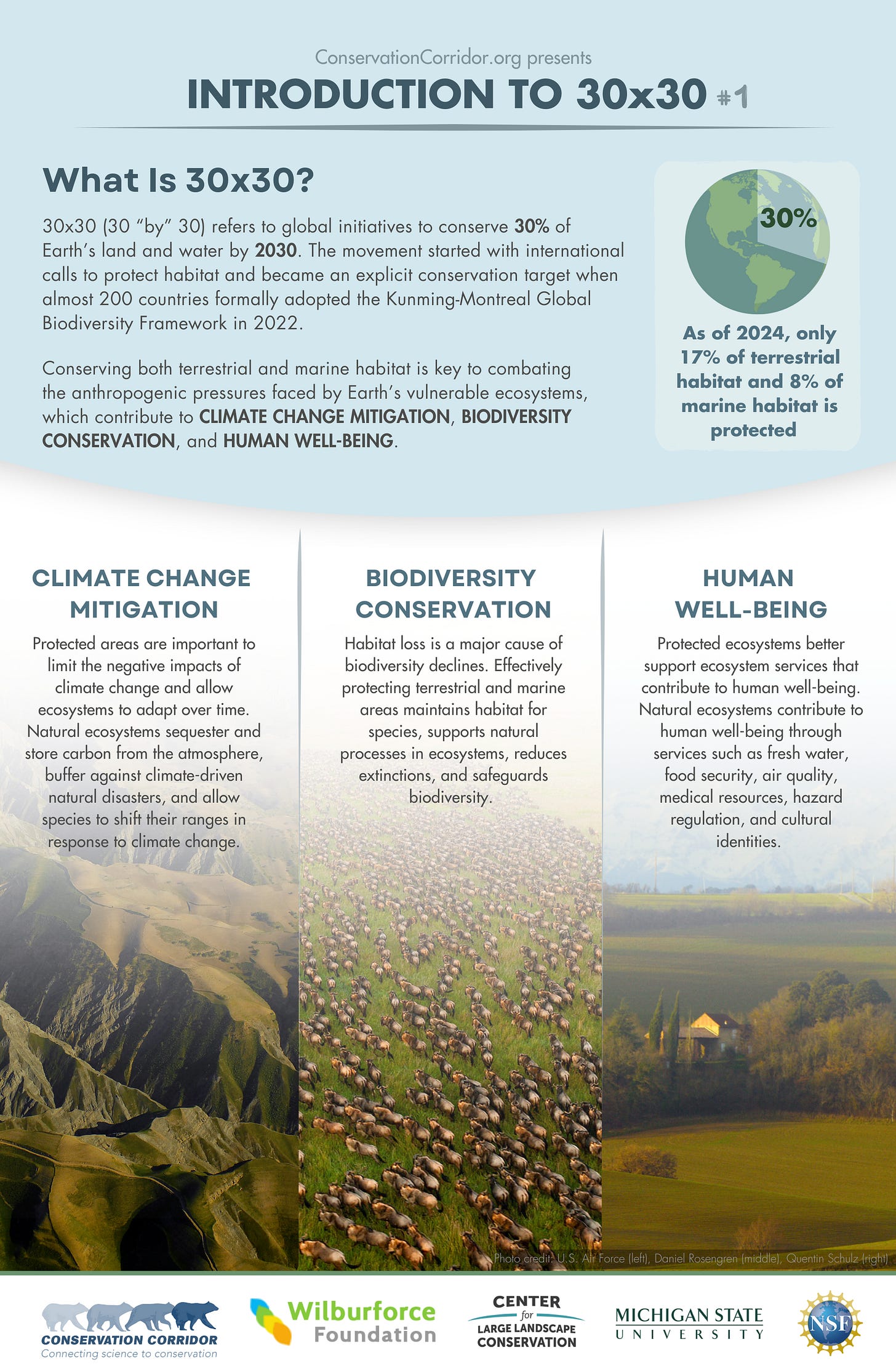
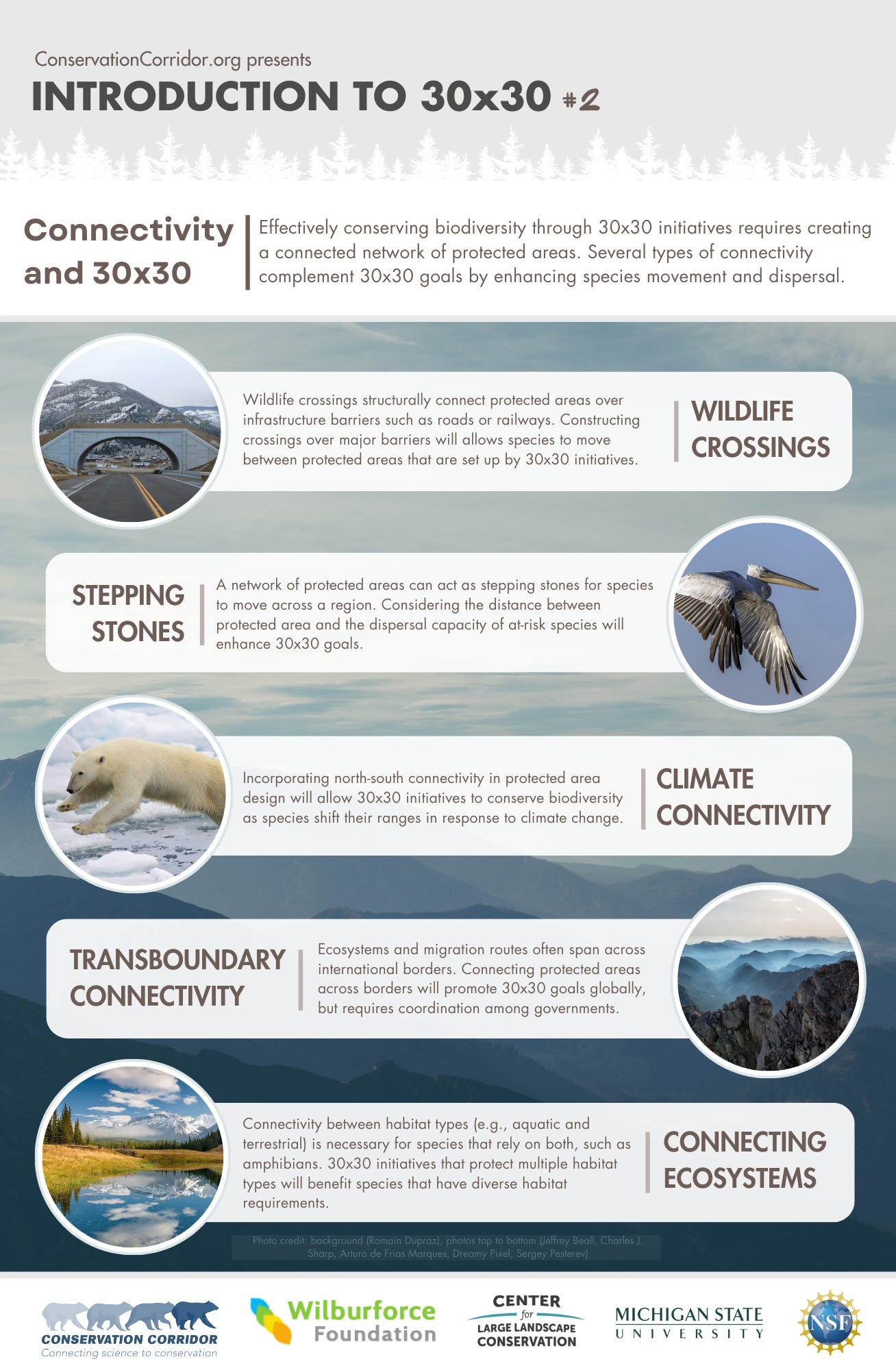
Paul and I talked about 30 x 30 =
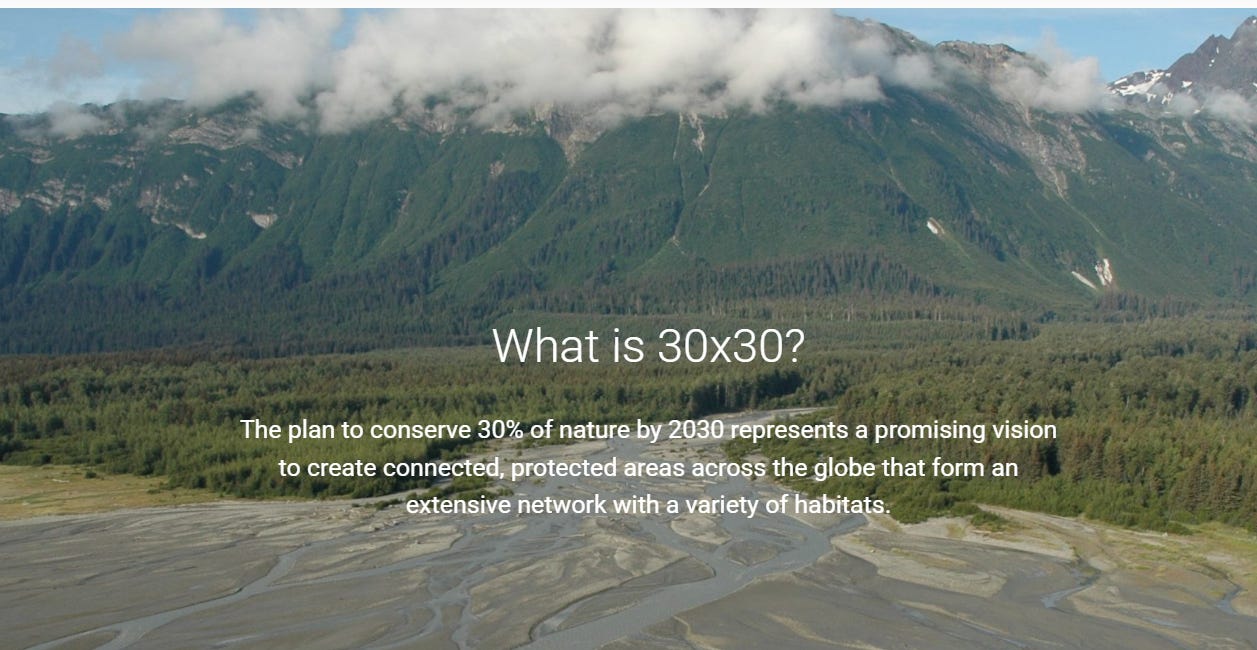
30×30
Protect
Connect
Conserve
This is what jazzes us up, man:
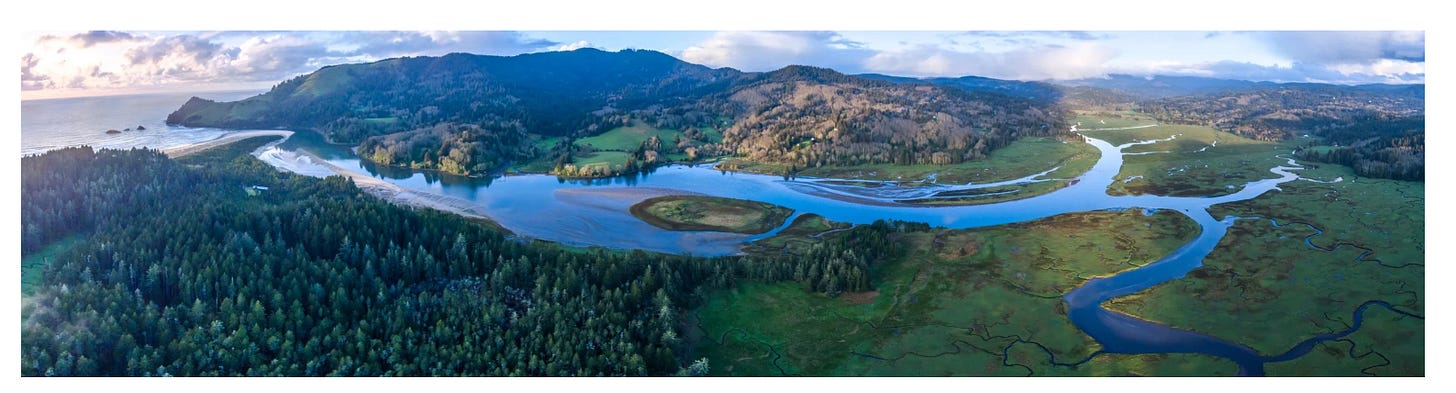
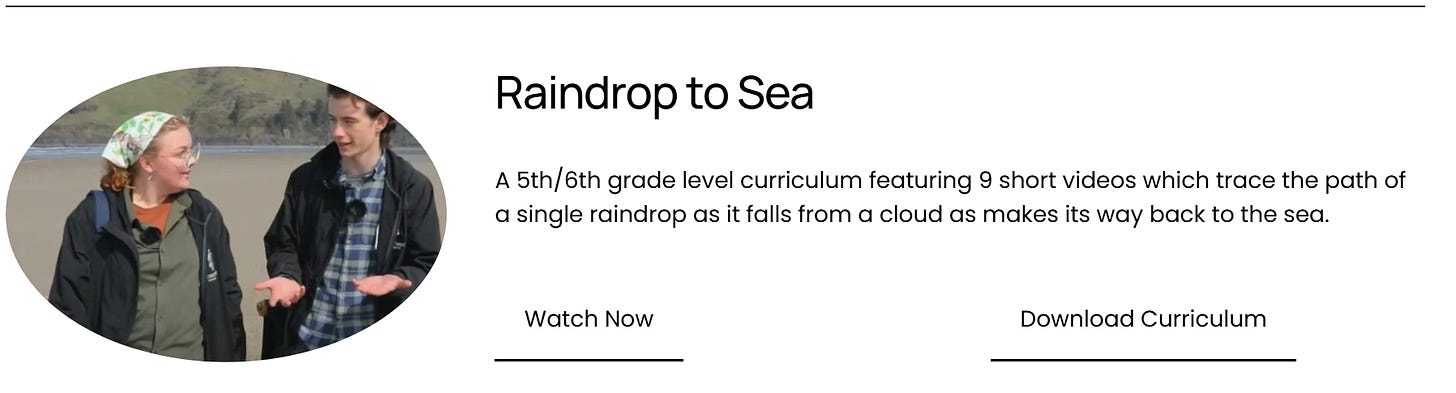
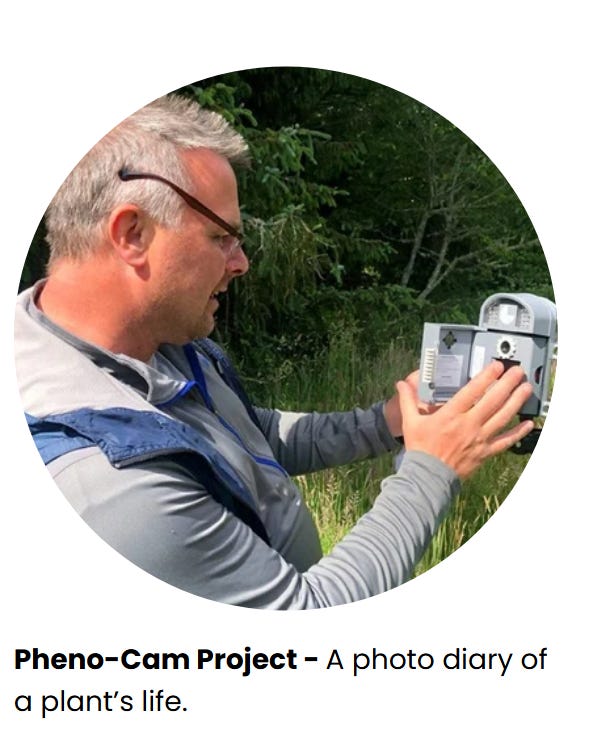
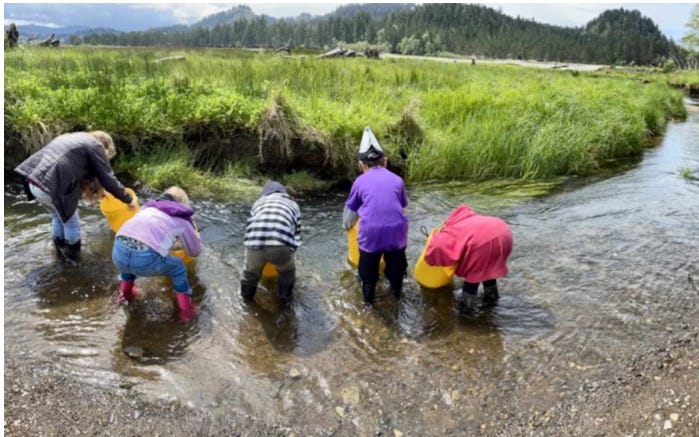
Place-based, Next Generation Science Standards curriculum developed in collaboration with the Lincoln County School District, Nestucca Valley School District, the Oregon Coast Aquarium, and with funding support from NOAA’s B-Wet program and the Royal Little Family Foundation all scripted, filmed & edited in the UNESCO Cascade Head Biosphere Region.
Are you getting where Paul’s mind and heart are?
Are you catching the fever yet? Listen to Paul in my hour talk with him:
Shaky times, man, in this world of AI Data Centers and energy and other earth resources being harvested and stolen and animals being culled.
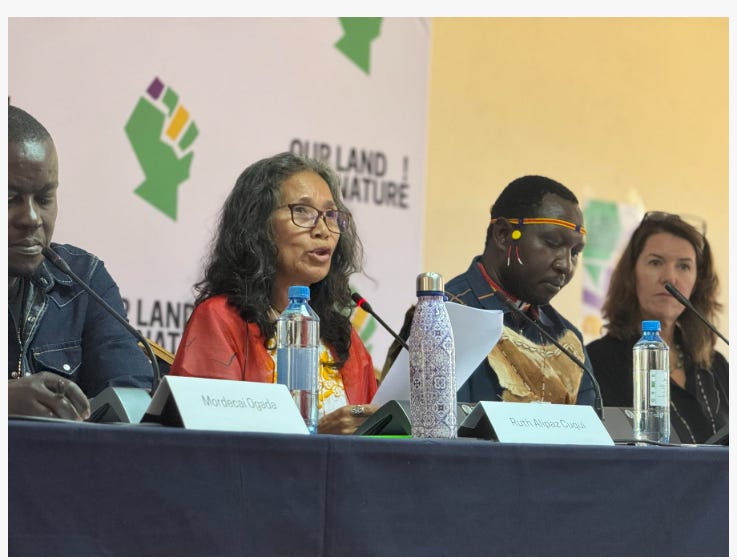
[Ruth Alipaz Cuqui speaks at the launch of the Nairobi Declaration.]
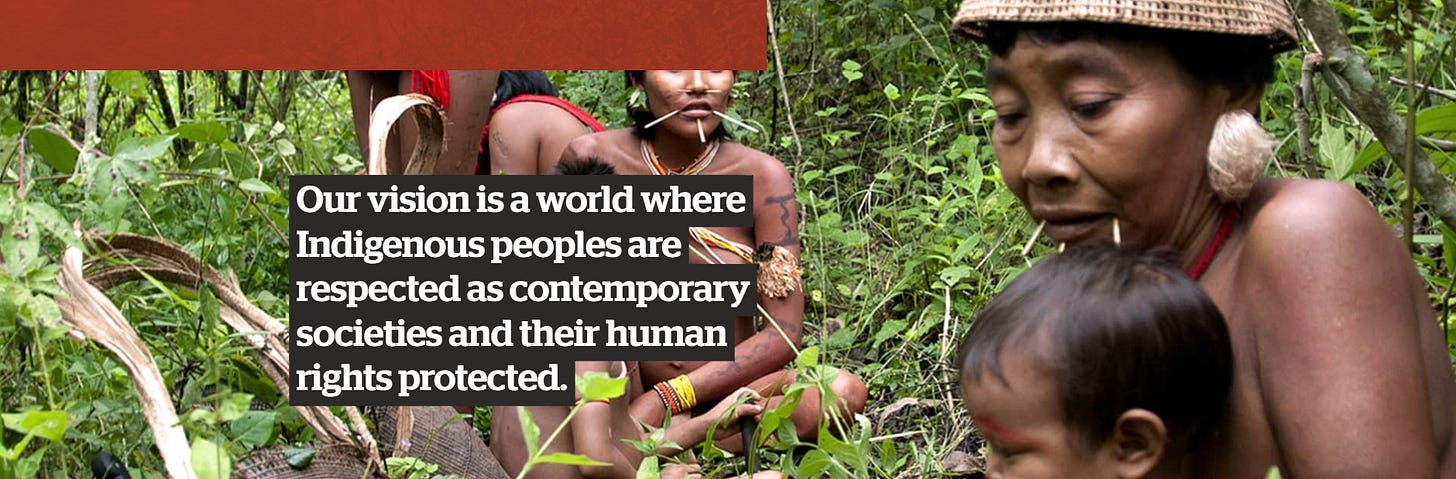
- Stewardship of High Biodiversity: Indigenous Peoples own, manage, or govern at least 32% (43.5 million square kilometers) of the world’s land and inland waters, and these areas frequently exhibit superior ecological health.
- Rejection of “Fortress Conservation”: Traditional top-down protected areas have historically displaced Indigenous communities; the 30×30 framework explicitly rejects this model in favor of rights-based approaches (Target 22).
- Recognition of Indigenous and Traditional Territories (ITTs): Achieving the 30% metric relies heavily on formally recognizing Indigenous-managed territories, Indigenous Protected and Conserved Areas (IPAs), and territories of life.
My heart, which we didn’t really get into in the 60 minutes:
“This is not conservation – it’s a cartel.” Unique Indigenous gathering issues hard-hitting landmark declaration September 25, 2026, Ruth Alipaz Cuqui speaks at the launch of the Nairobi Declaration.
“Conservation must be led by Indigenous Peoples, because we know better.”
Nairobi: A unique gathering of Indigenous people impacted by conservation has demanded that “our ancestral lands, including those grabbed for parks and wildlife sanctuaries, be returned.”
The Nairobi Declaration, issued today by the newly-formed Indigenous Lands Alliance, also contains a blunt ultimatum to well-known conservation bodies, including WWF, WCS, African Parks, UNESCO and others: “Leave our lands and respect our rights, or else we shall kick you out.”
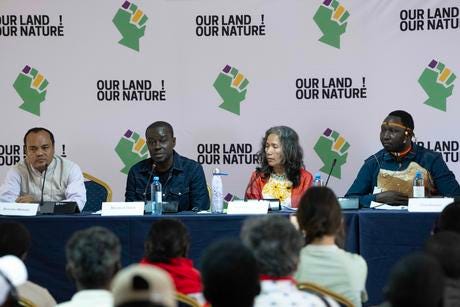
[Members of the panel speak at the launch of the Nairobi Declaration]
The Our Land, Our Nature gathering brought together for the first time Indigenous representatives from around the world who are fighting conservation – to expose the human cost of fortress conservation and carbon markets, while presenting Indigenous-led alternatives.
The Declaration outlines the scale of the problem: “For decades, our lands have been grabbed and stolen by conservation cartels under the guise of saving Mother Earth. Our territories are turned into national parks, tiger reserves, wildlife sanctuaries, conservancies and trophy hunting reserves without our consent.”
“Our territories are sold through carbon markets, biodiversity credits and offset regimes that greenwash the destructive behavior of transnational corporations. Despite being designated as “protected areas”, they are destroyed, handed over for open-pit mining, “green” mining for critical transitional minerals, and commercial plantations of rubber, pine, tea, coffee, soy and teak. They are opened up for safari tourism that disrespects Indigenous Peoples and our ancestors.”
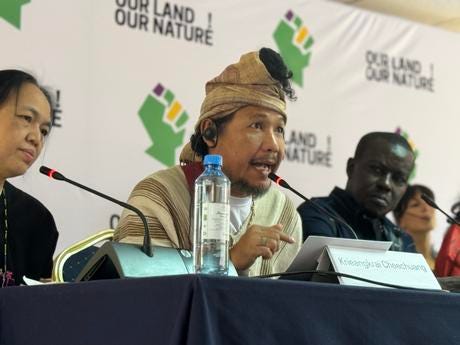
[Krieangkrai Cheechuang speaks at the launch of the Nairobi Declaration]
“Behind all of it stands a coalition of governments, transnational companies and international “conservation” NGOs. They control our territories because they are bankrolled by wealthy northern countries, multilateral development banks, multilateral financial institutions, the World Bank, fossil fuel and polluting industries, and the like. Today our lands are administered by governments, NGOs and elites. Not by us. This is not conservation. It is nothing more than a cartel.”
“We oppose conservation characterised by market systems, land grabbing, greenwashing by major polluters, and false nature-based solutions.”
The hard-hitting Declaration has been issued by 60 Indigenous people from 16 countries around the world who came together for the unprecedented gathering. They have formed a new network, the Indigenous Lands Alliance, to drive forward the demands outlined in the Nairobi Declaration.
The Indigenous delegates came from:
- Argentina (Qom and Mbya Guarani peoples)
- Bolivia (Uchupiamona Indigenous people)
- Botswana (Kua people)
- Cambodia (Bunong Indigenous people)
- Cameroon (Baka people)
- Colombia (Pasto people)
- Congo, Rep. (Baka people)
- Ecuador (Kichwa people))
- India (Jenu Kuruba people)
- Kenya (Ogiek, Samburu, Rendille, Maasai, Borana, Sengwer peoples)
- Nepal (Tharu people)
- Peru (Kichwa people)
- Tanzania (Maasai people)
- Thailand (Karen people)
- Uganda (Mosopisyek/Kalenjin sub-group)
- United States (Diné and Dakota nations)
Photos of the press conference are available here.
To request an interview with any of the Indigenous delegates, please email gro.lanoitanretnilavivrusnull@sserp.
Notes to Editors:
This unique gathering was organized by Conservation Solutions Afrika and Survival International.
Indigenous Mising activist Pranab Doley (N.E. India) was due to speak at the conference but was arrested in July and imprisoned for leading a protest against a luxury hotel project that will affect Indigenous people near Kaziranga National Park, India.
Today, at least 3 million Indigenous people across Africa, Asia and the Americas are paying the price for conservation — with their land and with their lives. Conservation steals their territory, their livelihoods. It brings violence and hunger.
At least 1.1 billion hectares (2.7 billion acres) of Indigenous land have been stolen in the name of conservation.
Conservation — perceived by many as a positive movement — threatens the ways of life of Indigenous peoples on three continents. Its effects are on a par with the theft of Indigenous territories by logging, mining, gas extraction, and narcotrafficking.
*****
Back to Paul:
*****
It gets complicated:

“The whole idea behind it is an experiment of a different way for humans to interrelate with sensitive biological areas and some of the most beautiful places in the world,” said site co-director Duncan Berry.
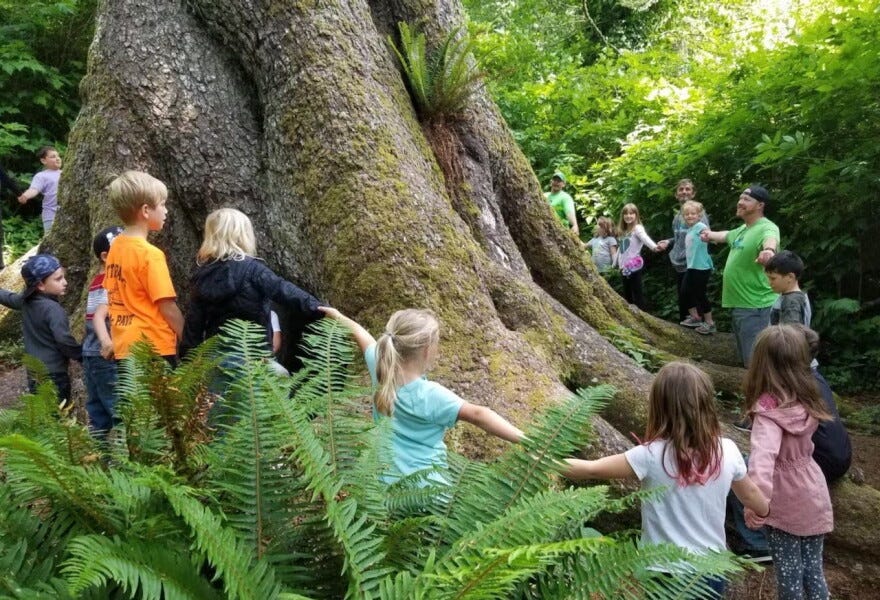
UNESCO formally evaluates progress at its biosphere reserves every 10 years. Biospheres are not to be confused with biodomes, which insulate an area inside some kind of structure.
Biosphere regions don’t aim to block human activity.
Instead, they’re separated into three main zones: a core area that’s strictly protected; a buffer zone that encourages things like eco-tourism and education, but with minimal impact; and a transition area where local people try to practice sustainable lifestyles.
But it’s all voluntary. The United Nations doesn’t have any legal jurisdiction or regulatory power over biospheres. The organization remains firmly under sovereign, state and local jurisdiction.
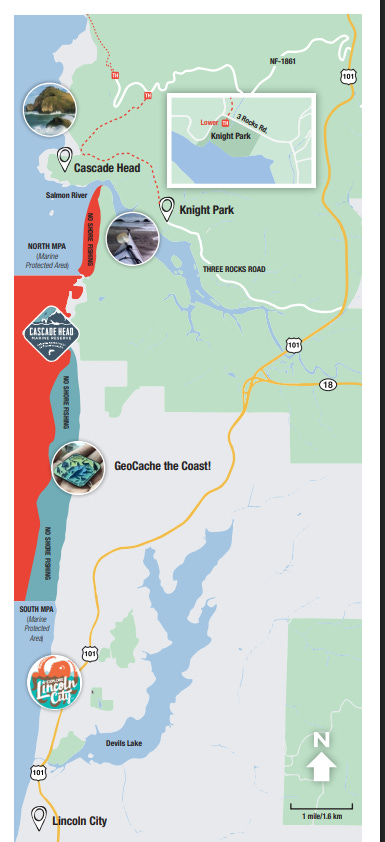
For the first 43 years, not much changed at the Cascade Head Biosphere. But in 2017, its borders were expanded tenfold to include most of Lincoln City, the entire Salmon River watershed and a large marine reserve.
“We have a very unique land-sea connection,” said Berry. “There’s nothing like it on the West Coast. It allows us to do a lot of things that are more holistic than just land-based or just sea-based.”
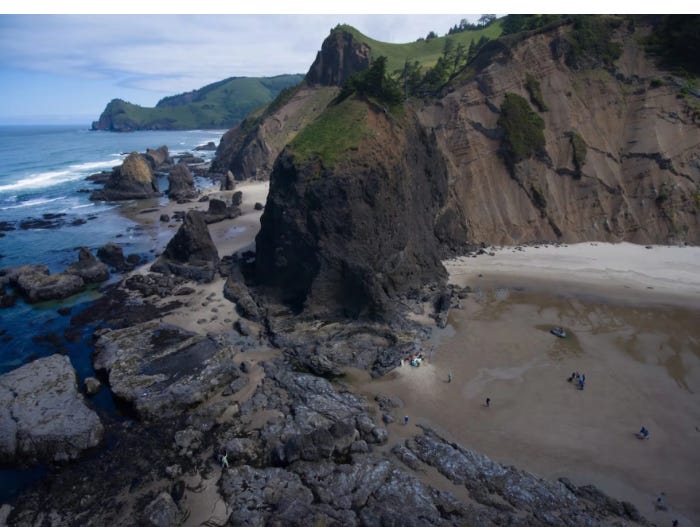
Oregon’s UNESCO biosphere celebrates 50th anniversary
The Practice of the Wild by Gary Snyder.
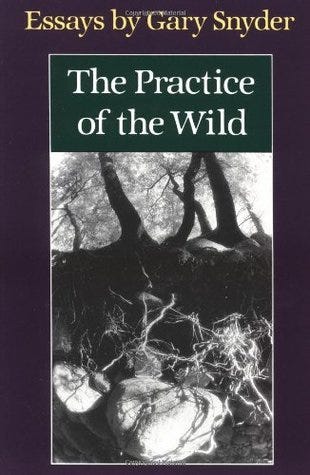
Gary Snyder is an American poet, essayist, lecturer, and environmental activist. His early poetry has been associated with the Beat Generation and the San Francisco Renaissance, and he has been described as the “poet laureate of Deep Ecology”. Snyder is a winner of a Pulitzer Prize for Poetry and the American Book Award. His work, in his various roles, reflects an immersion in both Buddhist spirituality and nature. He has translated literature into English from ancient Chinese and modern Japanese. For many years, Snyder was an academic at the University of California, Davis, and for a time served as a member of the California Arts Council.
Ripples on the Surface
“Ripples on the surface of water
were silver salmon passing under—different
from the sorts of ripples caused by breezes”
A scudding plume on the wave—
a humpback whale is
breaking out in air up
gulping herring
—Nature not a book, but a performance, a
high old culture.
Ever-fresh events
scraped out, rubbed out, and used, used, again—
the braided channels of the rivers
hidden under fields of grass—
The vast wild
the house, alone.
the little house in the wild,
the wild in the house.
both forgotten.
No nature.
Both together, one big empty house.
*****
Every tan rolling meadow will turn into housing
Freeways are clogged all day
Academies packed with scholars writing papers
City people lean and dark
This land most real
As its western-tending golden slopes
And bird-entangled central valley swamps
Sea-lion, urchin coasts
Southerly salmon-probes
Into the aromatic almost-Mexican hills
Along a range of granite peaks
The names forgotten,
An eastward running river that ends out in desert
The chipping ground-squirrels in the tumbled blocks
The gloss of glacier ghost on slab
Where we wake refreshed from ten hours sleep
After a long day’s walking
Packing burdens to the snow
Wake to the same old world of no names,
No things, new as ever, rock and water,
Cool dawn birdcalls, high jet contrails.
A day or two or million, breathing
A few steps back from what goes down
In the current realm.
A kind of ice age, spreading, filling valleys
Shaving soils, paving fields, you can walk in it
Live in it, drive through it then
It melts away
For whatever sprouts
After the age of
Frozen hearts. Flesh-carved rock
And gusts on the summit,
Smoke from forest fires is white,
The haze above the distant valley like a dusk.
It’s just one world, this spine of rock and streams
And snow, and the wash of gravels, silts
Sands, bunchgrasses, saltbrush, bee-fields,
Twenty million human people, downstream, here below.