


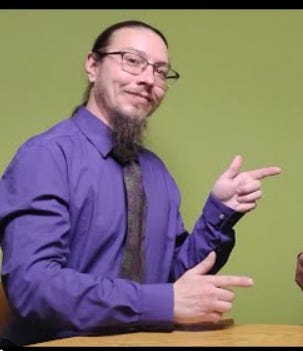
AJ is a lone wolf, going solo, and this interview is just the tip of the iceberg on this citizen journalist:
- Estranged from family in Buhl, Idaho, where he grew up
- Spent time in Portland, Oregon
- was houseless
- got a short school bus and lived in that
- Worked on a boat, fixing it up in Oregon
- was first traumatized by pigs 10 years ago when he was heading to Idaho, was stopped, driving without a license or insurance, and the pig shut off the camera on the dash and proceeded to tear up AJ’s car
- He spent more than a week in jail, bonded out, and dealt with that hellhole
- He’s still got a shoulder injury from filming ICE protest in Portland, thrown to the ground, picked up in zip ties behind his back like a bale of hay
- He pumps gas, PT, and he spends his other hours filming city council meetings
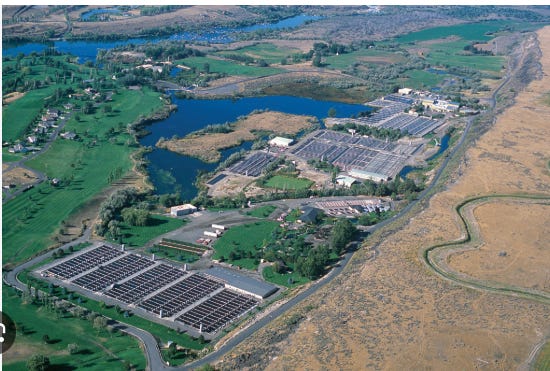
Buhl is a city located on the old Oregon Trail in the western half of Twin Falls County, Idaho, United States. As of the 2020 census, Buhl had a population of 4,558. It is part of the Twin Falls, Idaho metropolitan area.
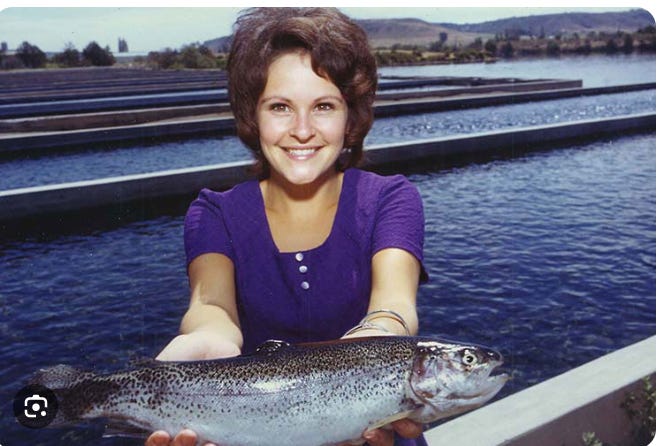
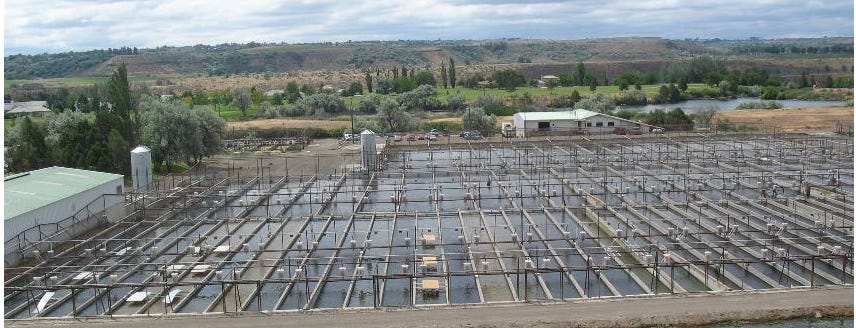
U.S. Route 30 passes through Buhl, along the scenic Thousand Springs Scenic Byway from Twin Falls to Bliss. Known as the “Trout Capital of the World,” Buhl is the location of numerous hatcheries in the immediate surrounding area, which produce a majority of the rainbow trout consumed in the United States. Clear Springs Foods, located just north of Buhl, processes over 20 million pounds of rainbow trout each year, making it the world’s largest producer.
History
Buhl was founded on April 17, 1906. It is named for Frank H. Buhl of Sharon, Pennsylvania, a major investor in a Carey Act project known as the Twin Falls South Side Project, which introduced large-scale irrigation to the Magic Valley in the early 20th century.]
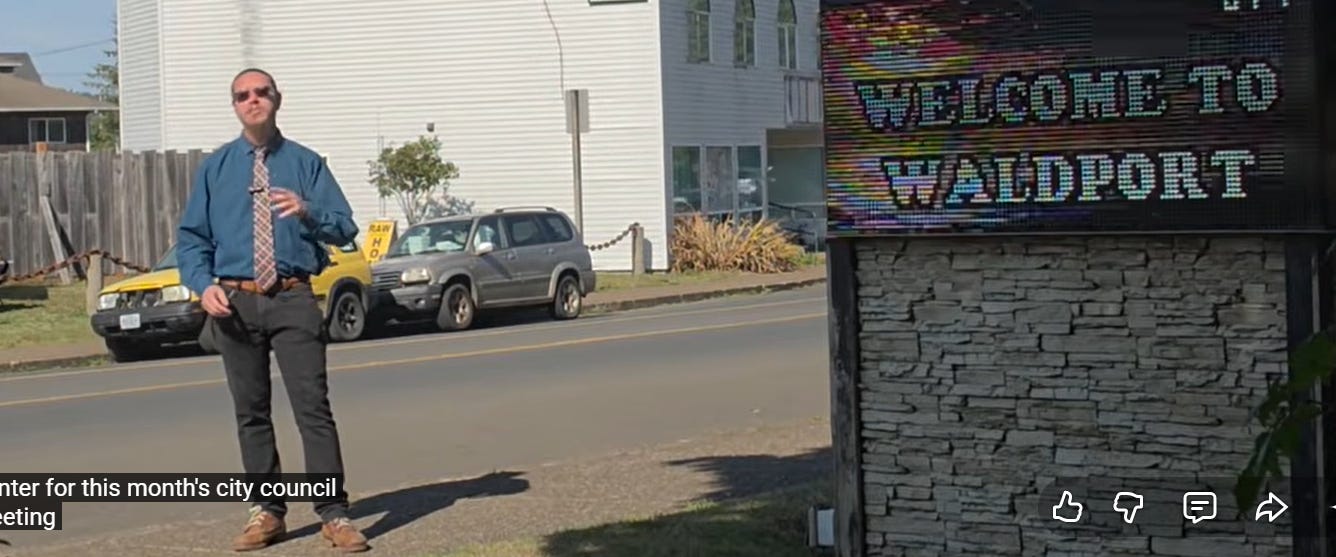
AJ Stromburg: Rebel with a Cause
He’s engaged in this “thing” called citizen journalism, referring to the reporting of news events by people without journalism training. These nonprofessionals use the internet and social media to spread information. Members of the public report about news that is ignored by mainstream media, which includes newspapers, magazines, and broadcasters, or by media outlets under the government’s control. The term was coined in 2000.
The availability of technology has allowed citizen journalists to gather news and disseminate it easily through personal websites, blogs, and social media. People at disaster scenes, tragedies, or political crises take to social media to upload text updates and photos of live events as they occur, breaking stories before traditional media are able to respond. The phenomenon has garnered its share of controversy. Lacking training, nonprofessionals may not be considered as credible as professional journalists. The global reach of citizen journalism continued to grow in the twenty-first century as traditional media outlets combated dwindling readers and viewers.
Here’s a Brief History
In modern times, ordinary people have captured amateur video of historic events. Witnesses at the scene recorded footage of President John F. Kennedy’s assassination in 1963 and the Los Angeles police beating of Rodney King in 1991.
Traditionally, professional journalists and large media outlets collected facts, analyzed news, and distributed that information to the public using resources only they could access. Due to advances in technology, however, mainstream broadcasts and newspapers increasingly ceased functioning as the epicenter of knowledge. With the immediate dissemination of news on the World Wide Web, readers came to know just as much as the press and could spread it just as fast.
In the late 1990s, the internet aided the transformation of news taking place. In 1999, San Jose Mercury News columnist Dan Gillmor wrote the first blog for a traditional media outlet. Gillmor went on to author the definitive book on the topic, We the Media: Grassroots Journalism by the People, for the People, in 2004. He also founded and began overseeing the Center for Citizen Media.
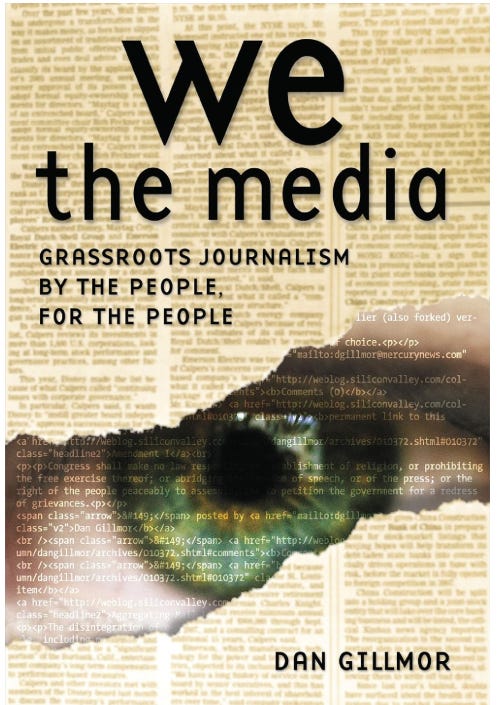
[Dan Gillmor is a Berkman Fellow and the author of “We the Media: Grassroots Journalism by the People, for the People” (O’Reilly Media, 2004), a book that explains the rise of citizens’ media and why it matters, and more recently has been working at projects aimed at enabling grassroots journalism and expanding its reach. Gillmor launched the Center for Citizen Media to study, encourage, and enable new forms of grassroots media. Dan founded the Center because, he says, “We need what big institutions do so well, but we also need the bottom-up — or, more accurately, edge-in — knowledge and ideas of what I’ve called the “former audience” that has become a vital part of the system.” Before turning his focus full-time to grassroots journalism, Dan Gillmor was a columnist with the San Jose Mercury News and wrote a weblog for SilivonValley.com]
Citizen journalism received a major boost on the world stage in 2000. That year, South Korean progressive journalist Oh Yeon-ho started a free online newspaper, OhmyNews, after perceiving an imbalance in the nation’s traditional media and the stories they chose to cover. The newspaper relied on ordinary readers to generate digital content. The phrase “citizen journalism” caught on after Oh said, “Every citizen is a reporter.” With fifty thousand contributors at its disposal, OhmyNews grew into one of South Korea’s leading news outlets.
Why this is a Topic Today
With readership and viewership down, traditional media have joined in. Many reporters write online blogs for their newspapers. News websites invite readers to contribute their own news, video, and photos of significant events and to comment on stories. Some media organizations have more formally integrated citizen journalism into their operations. Fox News became the first major news outlet to hire citizen journalists. Fox struck up a partnership with Fresco News, a journalism start-up that relies on hundreds of citizen journalists, to provide on-air content in several of its television markets across the country. Likewise, the Documenters Network, launched in Chicago in 2016, trains and pays community members to cover local government meetings, filling the gap left by traditional news outlets that increasingly eliminated newsroom jobs in the 2010s. By the 2020s, the initiative had expanded to twenty-two communities in cities like Detroit, Philadelphia, and Atlanta.
Disasters and tragedies often provide the backdrop for citizen journalists. Witnesses’ videos from the tsunami that devastated Southeast Asia in 2004 circulated on the internet and broadcast news. One of the most memorable images of the 2005 London subway bombings was a cell phone photo snapped by a man escaping with other passengers from a train engulfed by smoke. When Hurricane Katrina ravaged the Gulf Coast in 2005, citizen journalists played an essential role in covering the disaster on the ground in stricken New Orleans. They described living through the widespread destruction and its aftermath, receiving warnings and updates from the government, and observing looters in the streets.
Citizen journalists have also provided coverage in areas of political unrest, where media outlets are primarily controlled by the government. During the volatile 2009 presidential election in Iran, citizens worked around restrictions on journalists by sending out images and information on Twitter. Videos of the 2011 crackdown on Syrian demonstrators by the regime were posted on the video-sharing site YouTube.
In the 2010s and 2020s, widespread demonstrations on social issues were routinely documented by citizen journalists. Chicago activist/blogger Tim Pool reported from inside the Occupy Wall Street protests in New York City’s Zuccotti Park in 2011. Pool used his cell phone to live-stream video to viewers on the social media platform Ustream, including twenty straight hours of the park’s eviction. His feed was broadcast live on mainstream news networks and websites. Stirring photos and video circulated on Twitter during the 2014 unrest in Ferguson, Missouri, after Michael Brown, an eighteen-year-old Black man, was shot and killed by a White police officer. Similarly, a young woman’s social media release of a bystander video shortly after George Floyd died in police custody in May 2020 was credited with giving the public greater, more authentic insight into the incident than what was initially reported by police. The video, captured on Darnella Frazier’s cell phone and posted to Facebook, not only went viral prior to mass, countrywide demonstrations and protests but was also used as crucial evidence in the 2021 trial of the White police officer, Derek Chauvin, ultimately convicted of Floyd’s murder. While other surveillance video and body camera footage had eventually been analyzed, Frazier’s video was considered especially significant in its witnessing of Chauvin kneeling on Floyd’s neck for several minutes despite his and other bystanders’ calls for relief and aid.
Citizen journalism has faced scrutiny from critics, including established journalists. Citizen journalists lack proper training, leading to questions about their objectivity and bias. They face accusations of spreading fear and misinformation. They are not restricted by the protocols imposed on mainstream media, leaving them in unregulated territory.
Despite these criticisms, citizen journalists have grown in prominence. Citizen journalism websites have built credibility, working outside what they believe to be the confines or agendas of mainstream media and providing readers with alternative news sources. A substantial network of regional news websites operating on citizen journalism, called Bylines Network, launched in 2020 in the United Kingdom. That same year, it was widely noted that a Chinese citizen, ultimately arrested, had taken and produced several videos meant to show the reality of the country’s handling of the COVID-19 pandemic outbreak in the city of Wuhan. In addition to such citizen journalism pertaining to the pandemic occurring in other countries throughout the early 2020s, Russia’s controversial invasion of Ukraine in 2022 resulted in numerous examples of citizen journalism documenting the ongoing war, including accounts of alleged human rights atrocities, from Ukraine on social media. Similarly, Palestinians living in Gaza turned into citizen journalists after the war began in October 2023, sharing news of deaths, displacement, famine, and the extensive destruction of the city’s infrastructure. Their work became even more necessary as many trained local journalists were killed or wounded, and international journalists were barred from entering the city. In 2025, as raids conducted by US Immigration and Customs Enforcement (ICE) officers took place across the country, citizen journalists documented these instances on social media.
GAZA:
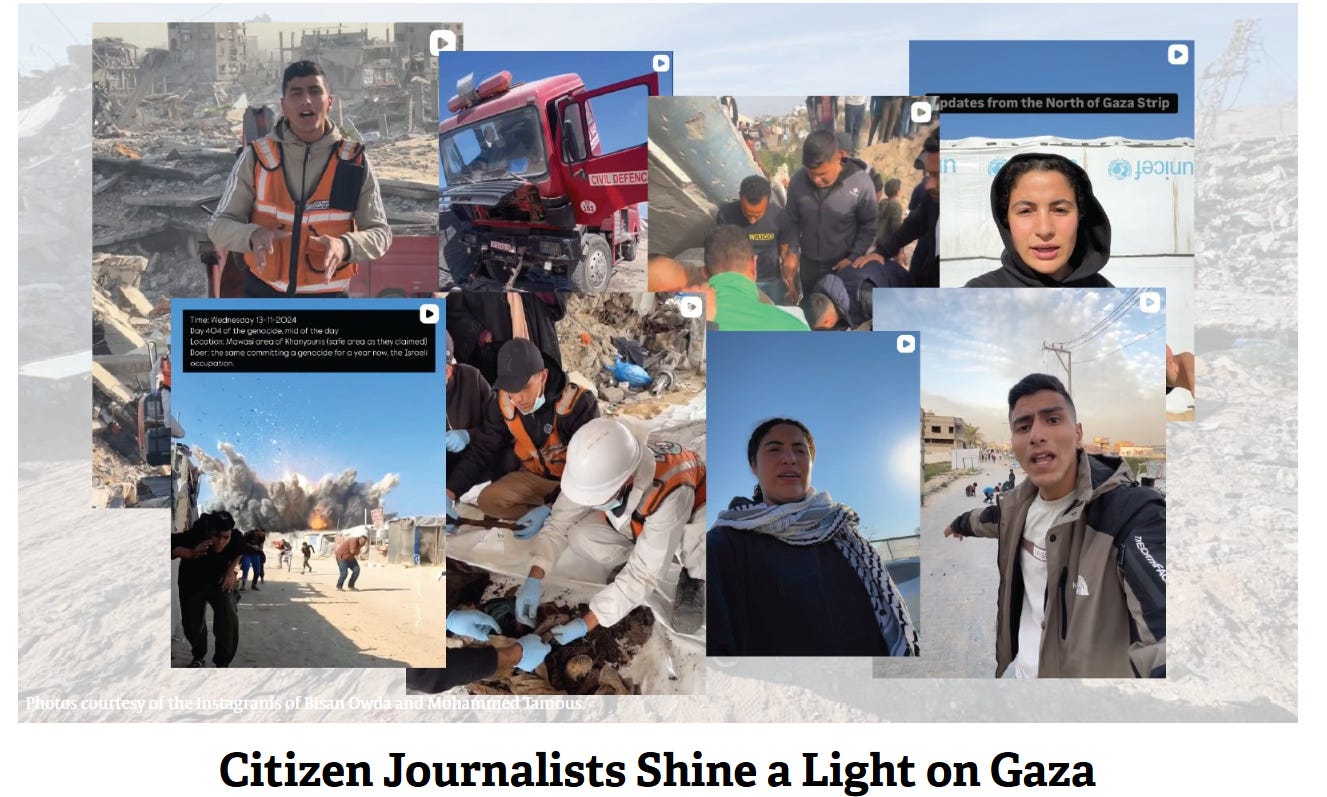
Look at this study, which delves into the phenomenon of Palestinian citizen journalism since October 7th, 2023, and its influence on the mediatization of war. Mainstream media’s lack of access to Gaza has led Gazan citizens to use their smartphones to report on their genocide and audiences to seek information about the conflict on social media.
We argue that this may be indicative of a shift in war mediatization, leading to a more open-ended and citizen-led state of mediatization. Through a multimodal analysis of several Instagram posts from three Palestinian citizen journalists, we investigate what discourses stand out in their reporting, and through a thematic analysis of Instagram comments, we delve into the different observer positions that emerge from engaging with those discourses. Our findings show that these Palestinian citizen journalists all use discourses of vulnerability and witnessing to engage with their audiences, usually evoking feelings of resistance. We also identified four types of observers within their audiences, influenced by Mortensen and Trenz’s (2016) own categorization: emotional, critical, reflexive, and motivated. These findings suggest that Palestinian counter-narratives are gaining traction in the public discourse, and therefore, a shift in the mediatization of war may indeed be occurring.
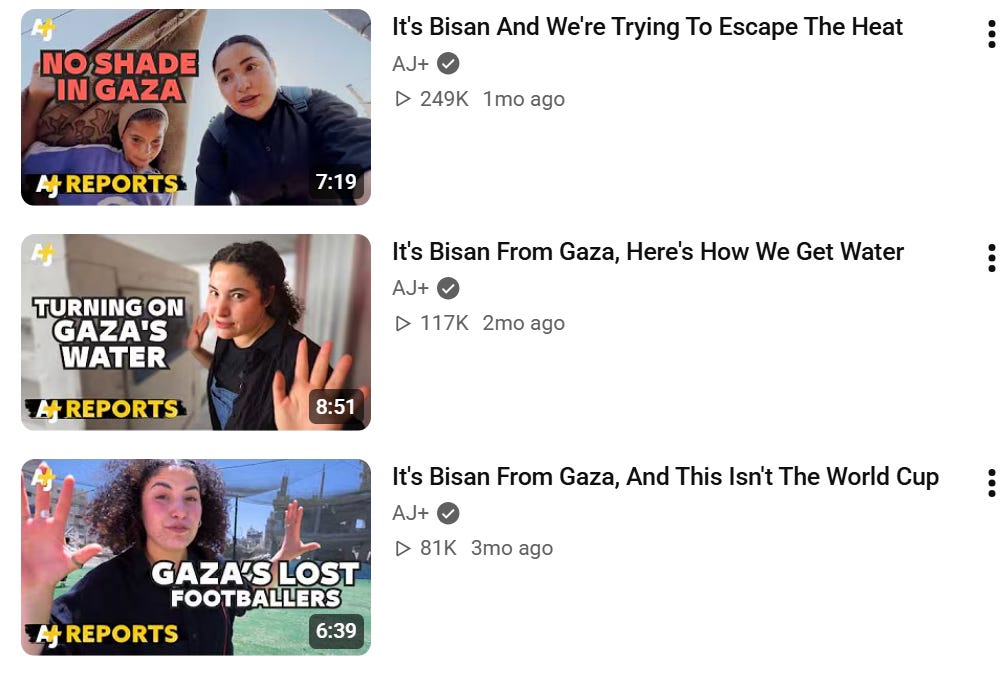
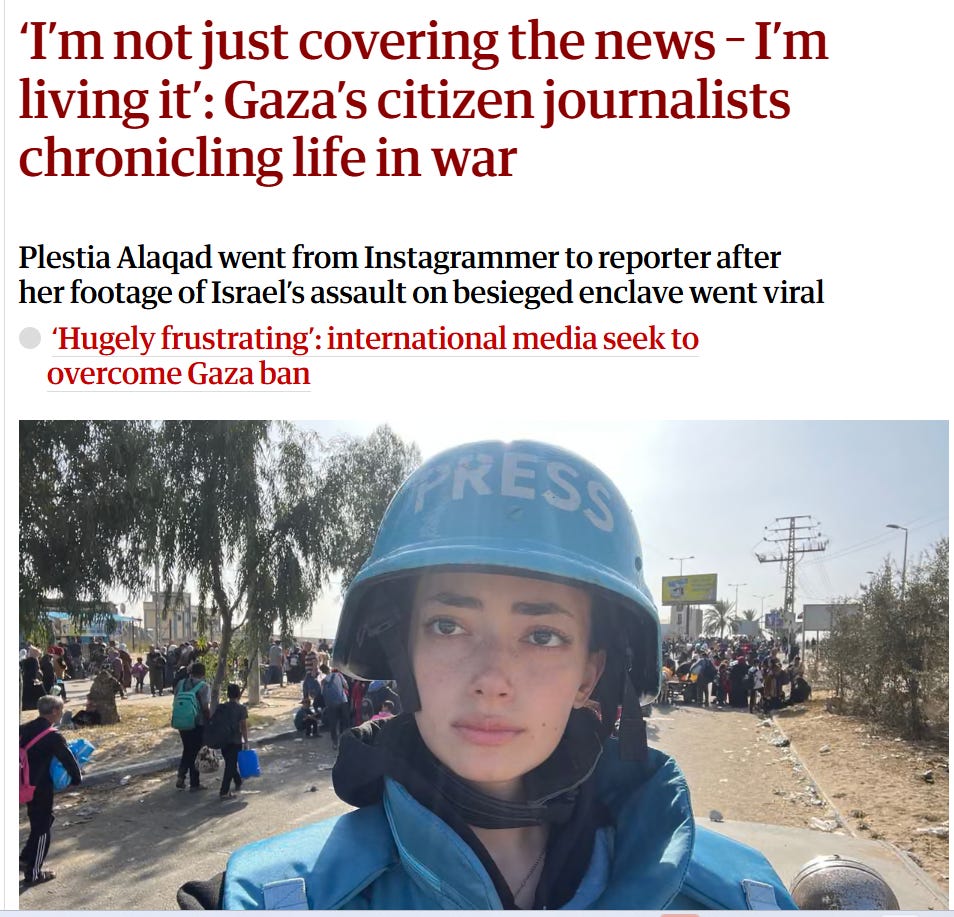
After 45 days reporting on the destruction, Alaqad (above) left Gaza amid growing fears for her family, but she was plagued by guilt about being able to leave the territory.
From exile in Melbourne, she has taken to staying up all night, watching events unfold at home as she scrolls on her phone, trying to keep up with the news.
Owda and Azaiza have recently posted messages to their followers, saying they fear they are unlikely to survive the coming weeks as Israeli forces advance into southern Gaza.
“A couple of days ago, I was the news; I was there covering the news. And now I’m just … refreshing, refreshing each page trying to know anything, trying to see if my friends are alive or dead.”
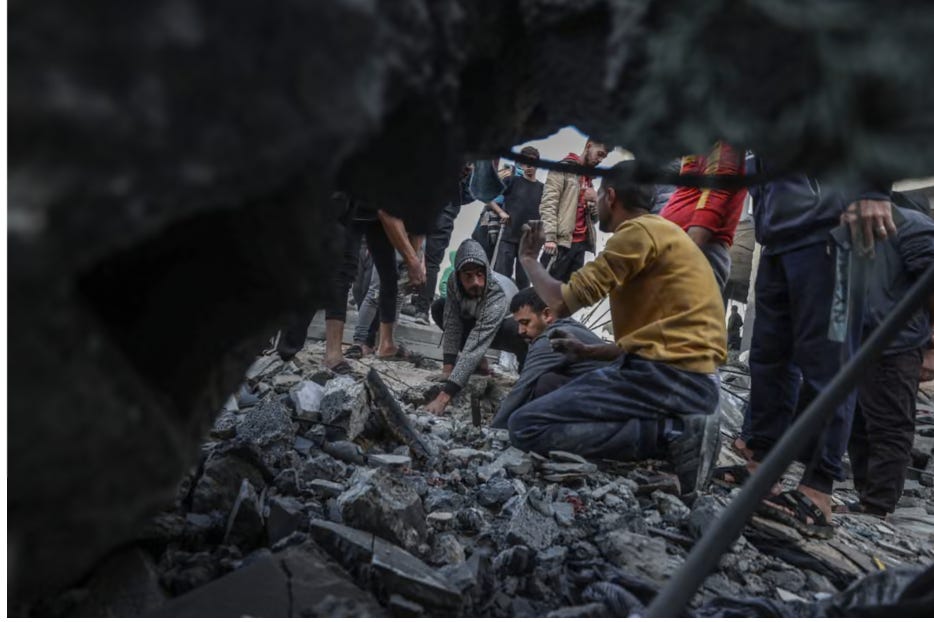
With a phone camera, Abboud Battah appears every day from northern Gaza, documenting the crimes of the occupation in a language that is not devoid of spontaneity, which led to his being arrested. When the Israeli occupation closed Gaza to the international press, killed journalists, and targeted their headquarters, the voice of the citizen journalist remained a witness to the killing and genocidal war.
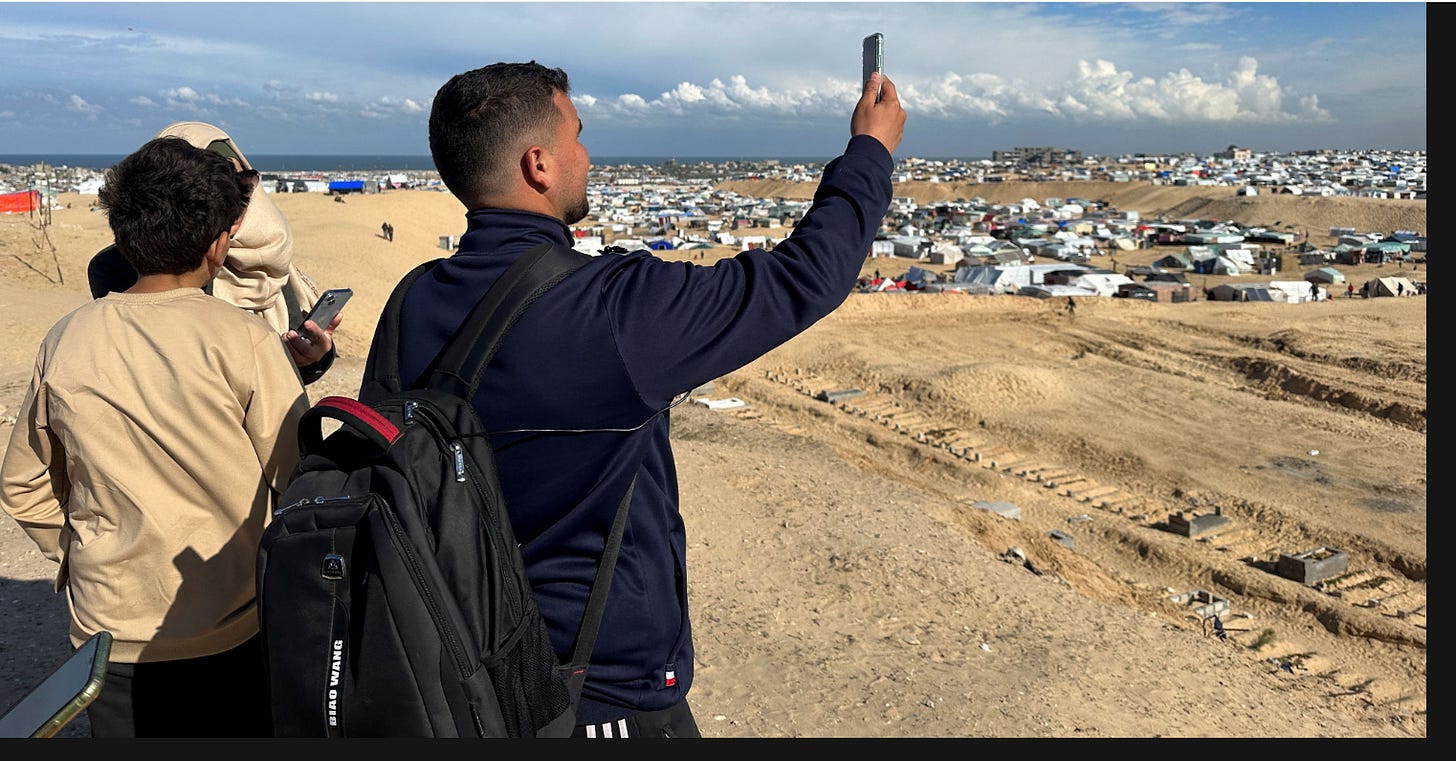
Citizen journalism has become the unblinking lens of the people. With simple efforts and modest tools, citizen journalists have succeeded in documenting tragedies and delivering the truth to the world

What is this Birth of Citizen Journalism
In the vacuum left by traditional journalism, ordinary citizens in Gaza rose to the challenge, wielding smartphones equipped with eSIMs as their primary tools for documentation. As the occupation severed communication and internet lines in an attempt to enforce a media blackout, these citizens became the sole chroniclers of the unfolding tragedy.
This grassroots movement gave rise to “citizen journalism”—a vital means of bridging the media gap and delivering unfiltered truths. Equipped with nothing more than phones and determination, individuals captured and shared real-time images and videos on social media, breaking through the wall of silence.
The lenses of ordinary citizens became tools of resistance, recording war crimes and atrocities committed against civilians. Northern Gaza, a landscape of devastation, witnessed its residents assume the role of witnesses, documenting their plight and transmitting it to the world. It was a collective realisation that the responsibility to tell their stories lay solely with them.
What is “Citizen Journalism”?
Journalism professor Mohsen Al-Ifranji describes citizen journalism as “a significant phenomenon that has evolved, particularly in the Arab world after the Arab Spring.” He emphasizes that all a citizen journalist needs is “a phone to capture images and write posts on social media, thereby engaging in journalistic work, though not necessarily adhering to professional standards.”
According to Al-Ifranji, the genocide in Gaza has demonstrated the capacity of citizens to deliver immediate, raw coverage directly from the field to newsrooms, bypassing traditional barriers.
Voices from the Frontline: Citizen Journalists in Action
One such figure, Aboud Batah, gained recognition for his candid, on-the-ground reporting style from within the besieged northern Gaza. However, his courageous efforts came at a cost. Aboud was detained by Israeli forces for eight hours, during which he faced death threats and intimidation for posting videos and photos online. His vivid documentation of Gaza’s grim reality—shared on platforms like Instagram—earned him widespread attention and admiration.
Likewise, activist Musab Al-Sharif emerged as one of the most prominent faces of citizen journalism in Gaza, after documenting a significant number of photos and videos that gained widespread attention on social media, with some exceeding millions of views.
Musab says: “I realized that the world would not see our suffering unless we documented it ourselves. This is not just a camera; it is the voice of Gaza’s anguish.”
Musab recounts details he described as terrifying. He was standing next to his journalist friend Fadi Al-Wahidi, with the lens capturing scenes of destruction around them, when suddenly the sound of a “quadcopter” drone pierced the air. Moments later, it dropped a bomb close to them, turning the area into a mass of smoke and dust.
He continued with a voice full of sorrow:
“The bomb was just centimeters away from me. At that moment, I felt that death was closer than ever before. I survived by a miracle, but Fadi was left completely paralyzed after a piece of shrapnel pierced his neck and lodged there.”
As the scale of Israeli crimes increased and the media distortion campaigns by the occupation army intensified, the phones of these activists became tools to expose the occupation and convey the voices of those under siege to the world. They affirmed that technology and determination are capable of breaking the media blockade.
However, power and internet outages, lack of equipment, and ongoing suppression efforts posed challenges equivalent to the imminent dangers faced by citizen journalists during the Gaza war.
Challenges of Citizen Journalism in Gaza
Life-Threatening Risks
Limited Resources
Communication Blackouts
Lack of Professional Training
Citizen Journalists’ materials were not merely records of violations—they contributed to the internationalization of the Palestinian cause and spurred action from numerous human rights and media organizations.
Footage of children trapped under rubble, homeless families, and bodies buried beneath the ruins became part of the narrative that citizen journalists managed to share, challenging the Israeli media machine. These materials were not merely records of violations—they contributed to the internationalization of the Palestinian cause and spurred action from numerous human rights and media organizations.
Simple cameras became effective tools of resistance, exposing the false narratives of the occupation and affirming the justice of the Palestinian cause.
A Lifeline for International Media
Despite their lack of formal expertise, citizen journalists in Gaza managed to collaborate with several international media outlets. The videos and reports they produced were broadcast by major channels like Al Jazeera and Western media networks, demonstrating the profound global impact these materials could achieve.
Media outlets have increasingly come to rely on citizen journalism as an indispensable source, particularly in regions inaccessible to their teams. These partnerships have shed light on the scale of the humanitarian catastrophe in Gaza, while also empowering citizen journalists to convey their messages to a global audience.
Abdullah Shahwan, who worked in design and video editing before the war, found himself facing what he described as a “national and moral duty.” Using his phone camera, he documented the crimes of the occupation, and his footage quickly became a source for numerous news agencies. He later joined Al Jazeera Mubasher as a cameraman.
Abdullah explains: “After many journalists fled, I began documenting our experiences despite the dangers of movement and travel. I worked with minimal resources and often borrowed equipment from colleagues after their shifts to complete my coverage.”
News channels and digital platforms relied on photos and videos captured by citizens in both northern and southern Gaza, documenting daily life under bombardment and within makeshift camps.
Citizen journalism proved pivotal during the coverage of “Operation Al-Aqsa Flood,” especially in delivering information to displaced residents about the status of their homes, streets, and relatives in the north. Some activists took it upon themselves to film streets, shops, and local markets for their displaced owners, in addition to documenting harrowing atrocities at sites like Al-Shifa Hospital and the Baptist Hospital. Often, the cries of the wounded reached the world through citizen journalists before traditional media could even arrive at the scene.
News channels and digital platforms relied on photos and videos captured by citizens in both northern and southern Gaza, documenting daily life under bombardment and within makeshift camps. These images conveyed heartbreaking stories: a child crying from hunger, a girl wishing to return to the north where her father remains trapped, or a mother bidding farewell to her martyred family members before returning to her tent to finish cooking. These poignant, authentic human stories powerfully communicated the message of Gaza’s people with sincerity and spontaneity.
Citizen journalism has become the unblinking lens of the people. With simple efforts and modest tools, citizen journalists have succeeded in documenting tragedies and delivering the truth to the world. They have proven that the truth cannot be erased, and that the voice of the people, no matter how forcefully silenced, will always find a way to be heard.
In every photo and video from Gaza, the message is unmistakably clear:
“We are here, and this is the undeniable truth.”
IMA (Independent Media Association) currently uses the Society of Professional Journalists (SPJ) Code of Ethics as a baseline
Hamurabi Huesca Manzano is the ninth journalist killed in Mexico this year.
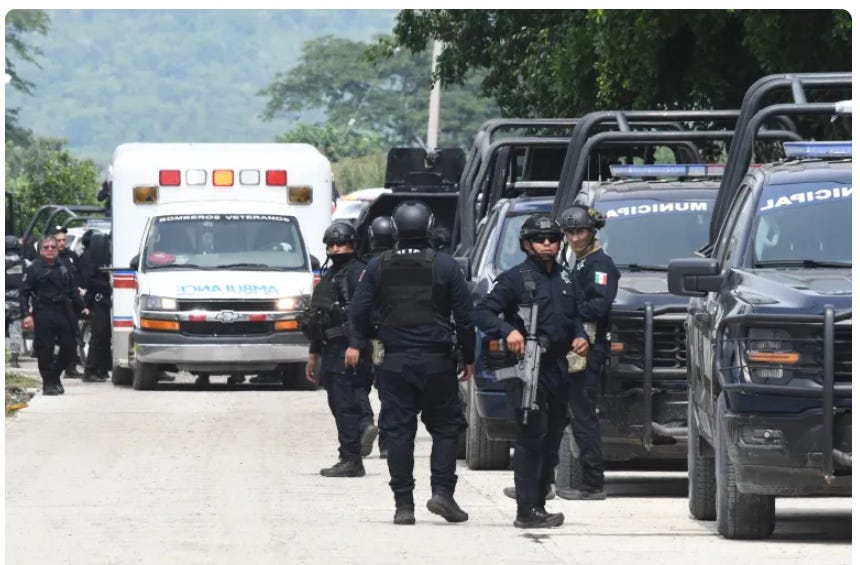
Journalist Hamurabi Huesca Manzano killed in Mexico’s Oaxaca
Conflicting reports emerge on the circumstances of the killing, prompting calls for justice from advocacy groups.
REALITY: Search continues for kidnapped Mexican journalist Roxana Guzman
Mexican journalist Roxana Guzman’s disappearance for more than two weeks has renewed concerns over escalating violence against journalists in Mexico, where attacks on the press continue with near-total impunity.
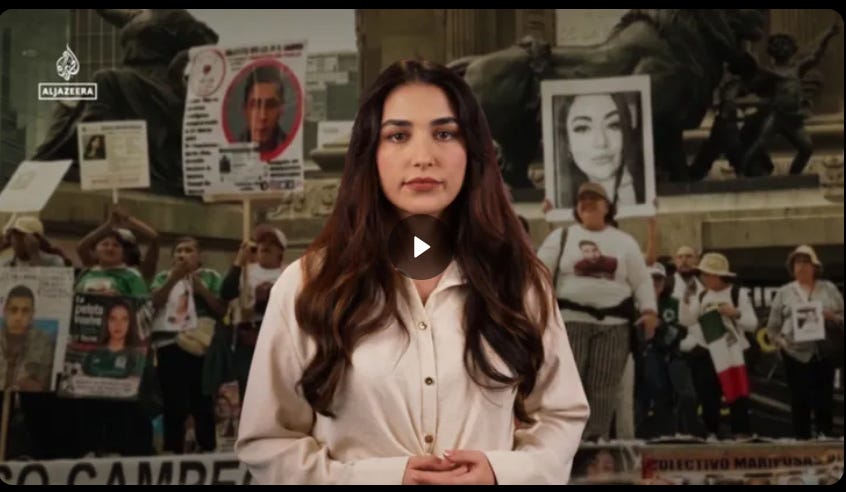
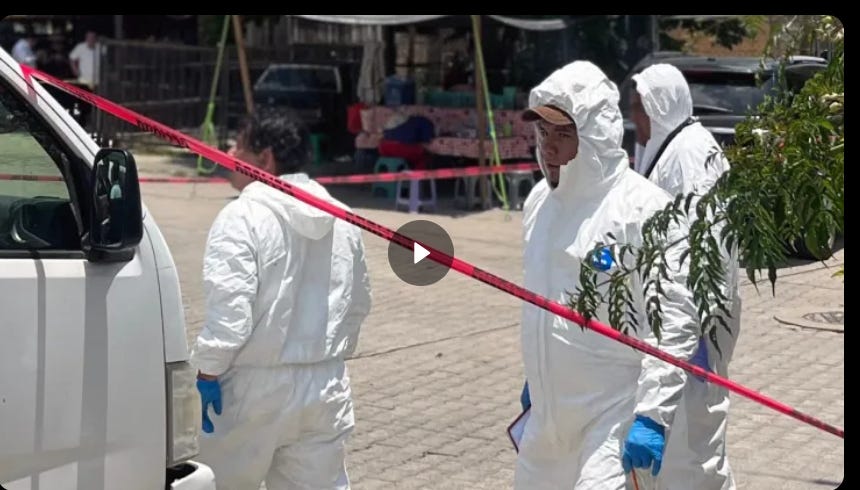
Journalist killed in Mexico after years of exposing corruption
Mexican journalist Alejandro Leyva Aguilar was shot dead while eating at a street food stall in Oaxaca. He had spent years reporting on alleged corruption and criminal violence. His murder marks the fourth journalist killing in Mexico since June.
Mexican influencer shot dead during livestream
Cesar Gastelum was killed as he sat in a car park with two others in Culiacan, the capital of Sinaloa state.
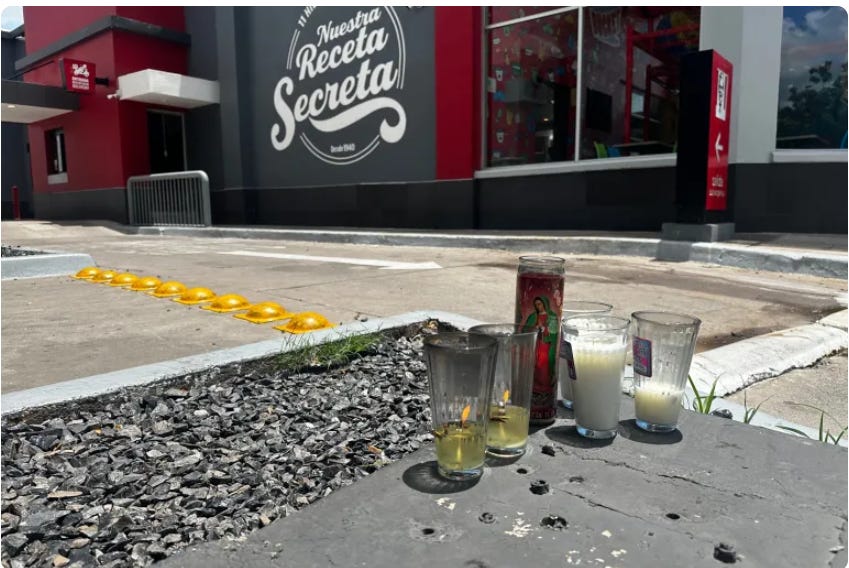
A Mexican social media influencer with 650,000 followers on TikTok has been killed while he was doing a livestream, authorities have said.
Cesar Gastelum was shot dead on Tuesday in Culiacan, the capital of Mexico’s volatile Sinaloa state. The shooting took place near the local prosecutor’s office.
A video of the moment of Gastelum’s death, seen by The Associated Press news agency, shows him laughing with two other men in the car park of a Kentucky Fried Chicken when two men pull up on a motorcycle. One is seen pulling out a gun and shooting Gastelum. The attackers then flee the scene.
Sinaloa has been ravaged by a war between two factions, Los Mayos and Los Chapitos, of the Sinaloa Cartel in recent years, with dead bodies left across the city marked with either faction’s signature.
“We must find out why this deplorable homicide occurred,” Mexican President Claudia Sheinbaum told journalists during a Wednesday morning news conference.
“Perpetrators must be arrested,” she added.
Details of the Brad Will Case (2006)
Bradley Will, a cameraman working with Indymedia New York, was shot in the chest and died before reaching the hospital, the news group said on its website.
“He told me it was getting sketchy,” Dawn Neary, a friend of Will, said. “He would always put himself on the front lines. He was a courageous guy. He really believed in truth, public awareness, and justice.”
Date: October 27, 2006
Location: Santa María del Tule/outskirts of Oaxaca City, Mexico
Circumstances: Will was working as a cameraman for Indymedia New York and filming a confrontation between anti-government protesters (APPO) and armed groups when he was shot in the chest.
Investigation: The case sparked long-standing controversy, with conflicting federal and independent claims regarding who fired the fatal shots.
SHOT IN MEXICO is a documentary that tells the story of Brad Will, a young American activist-journalist killed in 2006 while filming a violent rebellion in Oaxaca, Mexico, and the tangled aftermath of his death. Brad’s murder, captured on his own camera, ignited worldwide attention and put a spotlight on corruption and injustice in Mexico. In the crime’s wake, two families from different sides of the border are tested. In the United States, Brad’s parents, Kathy and Hardy, leverage their wealth and influence to demand a true investigation in Mexico-a campaign that takes them to the halls of the United States Congress. In Mexico, Liliana Martinez fights from her impoverished neighborhood in Oaxaca for the release of her husband, Juan Manuel, an innocent man jailed for Brad’s murder. In a disturbing twist, Juan Manuel’s imprisonment is a result of the mounting international pressure put on Mexico to solve the murder of Brad Will. SHOT IN MEXICO reveals the story of an American idealist and how his death thrust two families, from two different worlds, into an ongoing web of cover-ups and deceit.
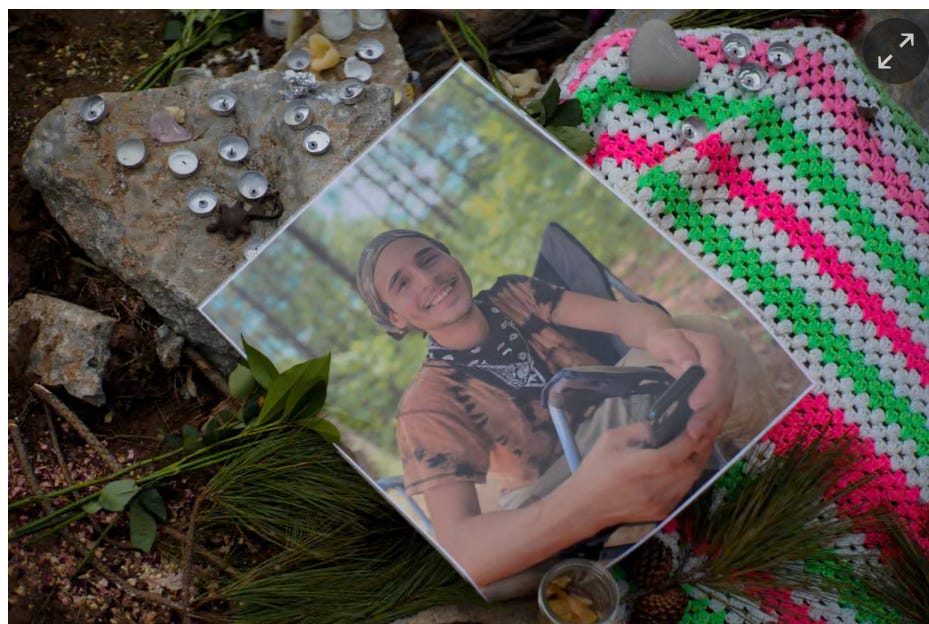
The environmental activist who was killed by police in Atlanta while protesting against Georgia’s planned “Cop City” was shot more than a dozen times, according to private autopsy results released by his family.
Officers from multiple agencies shot and killed Manuel Esteban Paez Terán, also known as Tortuguita, on 18 January after authorities moved through the camp of activists who were in a forest to protest a planned $90m police training facility. Dozens of officers from the Atlanta police department, the DeKalb County police, the Georgia State Patrol, the Georgia Bureau of Investigation, and the FBI swept through the camp.
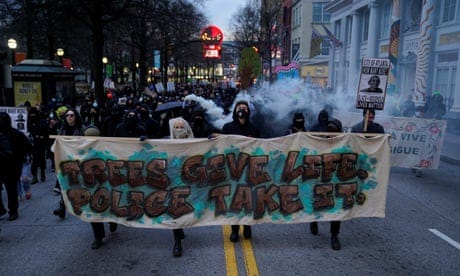
According to police, Paez shot and injured a state trooper with a handgun first. However, Georgia’s bureau of investigation – or GBI – has said the shooting was not captured on body camera, prompting activists to call for an outside entity to review the case.
A private autopsy that has since been performed on Paez’s body revealed that several different officers shot him at least 13 times.
“Manny was a kind person who helped anyone who needed it,” said a statement attributed to Paez’s mother, Belkis Terán, which was released Friday. “He was a pacifist. They say he shot a police officer. I do not believe it.”
*****
And here we are:

Source: Our findings show how citizen reporting from Gaza relies on discourses of vulnerability and witnessing. We theorize that citizen journalists draw on these discourses in a strategic manner to capture the attention of their respective audiences. The subsequent analysis of audience reactions suggests that their approach is efficacious, which in turn indicates that there is a relation between discourses of vulnerability, witnessing, and resistance.
The correlation between resistance and the discourses of vulnerability and witnessing merits attention. In some posts, we see the use of documentation – for example, discussing Palestinian history – or the expression of vulnerability through shared images, to show the resilience and resistance of Palestinians, and subsequently evoke the need for action in the audience. Bearing witness becomes an important tool and discourse, too, insofar as it lets the citizen journalists participate in the conflict as more than victims (Andén-Papadopoulos, 2014; Chouliaraki, 2015) and therefore resist. The expression of these discourses demonstrates the capacity of both the camera and text, like in Bisan’s case, as a tool for documenting injustice (Hammami, 2016), and therefore as a powerful weapon in conflict.
The effect that these discourses have on audiences seems clear in our analysis: they succeed in generating certain moral reactions, evoking different kinds of emotional proximity. We contend that the primary contributing factor for this phenomenon is the way these citizen journalists approach their journalistic work, striving to overcome the cultural distance between Western audiences and the suffering of others. In the cases of Bisan and Plestia, their posts elicit a deeper sense of closeness, primarily due to exhibiting a more personal vulnerability in front of their audience, which attracts both emotional and motivated responses. They share in the suffering of Palestinians – Bisan from the ground, Plestia from a distance – yet many of their posts also focus on their own feelings and suffering, thereby creating a closer relationship with their audience. Plestia’s expression of her own feelings of guilt for living in the West while the genocide is ongoing is also worth noting. We believe this helps her reach her audience in more intimate ways, validating their own guilt and, perhaps, motivating them to take action. In contrast, Motaz connects with his audience through impactful images of Palestinian suffering and/or ‘about-to-die’ images, which appear to elicit more profound emotional responses and feelings of resistance. In general, the three journalists align their witnessing accounts with the notion of resistance against oppression, a perspective that, we argue, evokes a similar sentiment in their audiences.
It was also found that emotional observers appeared to be the least involved, while motivated observers generally demonstrated the highest levels of involvement. Most observers seemed to fall into the emotional category, but we argue that this should not be considered as a failure of citizen journalism to raise real awareness and social change. These observers still bring attention to the suffering, build relationships with the journalists that make them care about what is happening, and may be moved to become critical or active observers by emotions.
On the other hand, critical and reflexive observers both showed a tendency to react to the shared images in ways that are less ‘practical’, more as ‘analyzers’ than as ‘drivers’ for taking action. We also observed that images of a more impactful nature appear to elicit more critical reactions. We hypothesize that this is due to the nature of the images, which explicitly expose the brutality of the Israeli attacks, thereby exposing the audience to a reality that contradicts the (until now) dominant narrative. Some observers might also feel compelled to challenge this by being skeptical of what they are being shown.
All these results help us better understand what the current Palestinian genocide tells us about the state of war’s mediatization. As mentioned before, we believe that the current conflict might be altering the linear periodization of mediatization theorized by Hoskins and O’Loughlin (2015). Our results in the discourse analysis show that these Palestinian citizen journalists are using social media as their main medium, and that they work and share their narratives in their own terms, without influence from mainstream media, resulting in counter-hegemonic discourses that reach global audiences. Furthermore, even though some of their content has been used by Al Jazeera – feeding the ‘arrested war mediatization’ discourse – we argue that the power of what is shared on the genocide resides with the citizen journalists, mainly due to Al Jazeera and other mainstream media’s lack of access to on-the-ground reporting.
Nevertheless, the fact that Instagram is owned by Meta, one of the most powerful companies in the world, must not be overlooked; Instagram has been reported to control which content is or is not shown to its users, especially in relation to Israel’s war on Palestine (Elmimouni et al, 2025; Shao, 2025). This fact might influence our results, particularly since content involving Palestine could have been shadow-banned and only shown to users who are already following the citizen journalists, i.e., individuals who already support Palestine. Consequently, Meta’s control of content might imply that, whilst war mediatization appears to be more diffuse and open-ended on the level of content, as our analysis suggests, it may still be arrested at the infrastructural level.
On the side of audience reception, we hypothesized that the fact that these journalists have come to gather millions of followers might mean a break from the arrested phase of mediatization we are supposed to be in. The results prove that this hypothesis may be true, since they show that the citizen journalists’ narratives are indeed influencing audience reactions, evoking feelings of resistance, frustration towards the genocide, and, in some cases, inspiring real action. All of this demonstrates that the current conflict is mainly being mediatized by citizen journalists in Palestine, who seem to be defying the dominant Israeli narrative. The fact that their witnessing accounts are inspiring real reaction on audiences, many times inspiring activism campaigns and demonstrations throughout the world (Maharani, 2024; Satkhed et al, 2025), also proves that, contrary to what Hoskins and O’Loughlin (2015) suggest, we should maybe think of the current mediatization of conflict as going back to a diffused state, wherein mainstream media seem to have lost some of their power over what information is and is not shared to the world, in favor of citizens gaining more influence and being able to mobilize attention and support through social media.