

Enjoy the show, which is my attempt at left-of-left sanity in Oregon, on the Coast, in a county with the rich, the retired, the dilapidated, the old, the houseless, the former scientists, and a whole lotta people working in environmental conservation circles. Listen to Megan and me get down into the mud.
Henry Thoreau is the “Patron Saint of Swamps” because he enjoyed being in them and writing about them said,
“My temple is the swamp… When I would recreate myself, I seek the darkest wood, the thickest and most impenetrable and to the citizen, most dismal, swamp. I enter a swamp as a sacred place, a sanctum sanctorum… I seemed to have reached a new world, so wild a place…far away from human society. What’s the need of visiting far-off mountains and bogs, if a half-hour’s walk will carry me into such wildness and novelty.” ― Walden and Other Writings
“The swamp isn’t a useless piece of land. A swamp is a kind of wetland. Wetlands are important to humans.” ― The Salamander’s Trial: Wetland
One-hour talk with Megan Hoff, airing July 8 and 9 on my show, Finding Fringe, kyaq.org. LISTEN HERE.

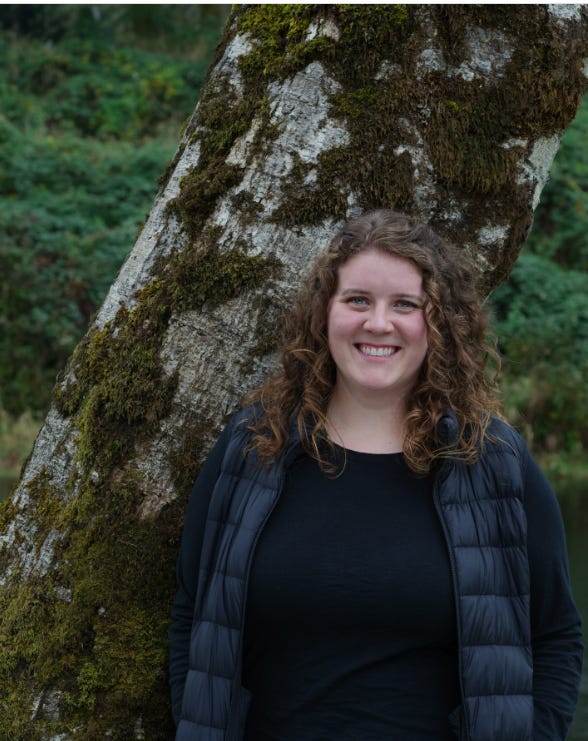
Megan Hoff is Midcoast Watershed Council’s new Outreach and Communications Specialist.
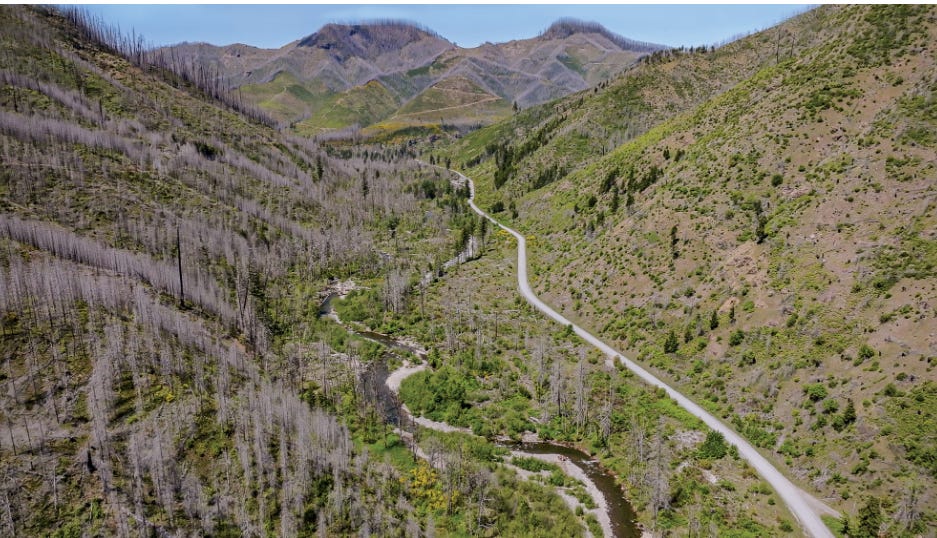
[Images of Quartz Creek made in 2025 (above) and in 2026 (below) show how quickly the river basin was transformed following the Stage 0 project restoration. Sarah Koenigsberg/High Country News]
The river runs through it; the river knows best.

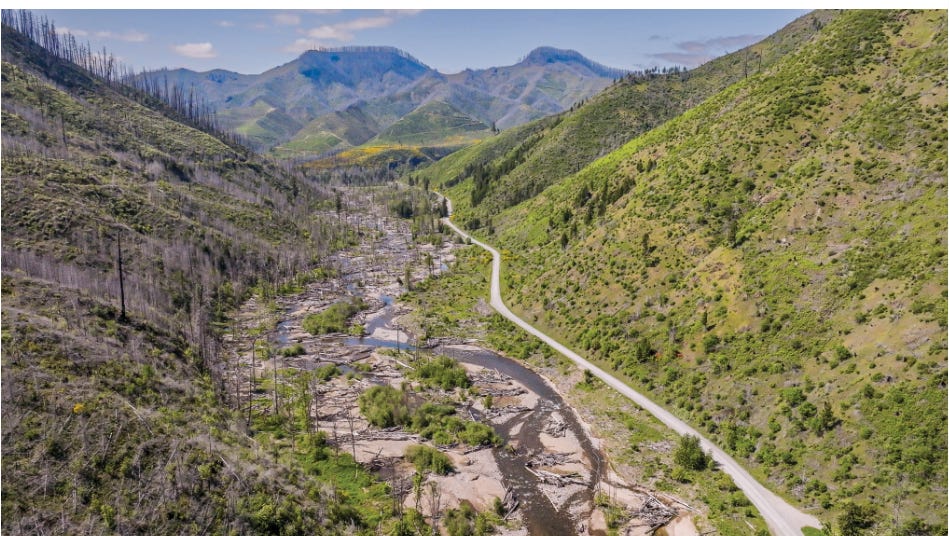
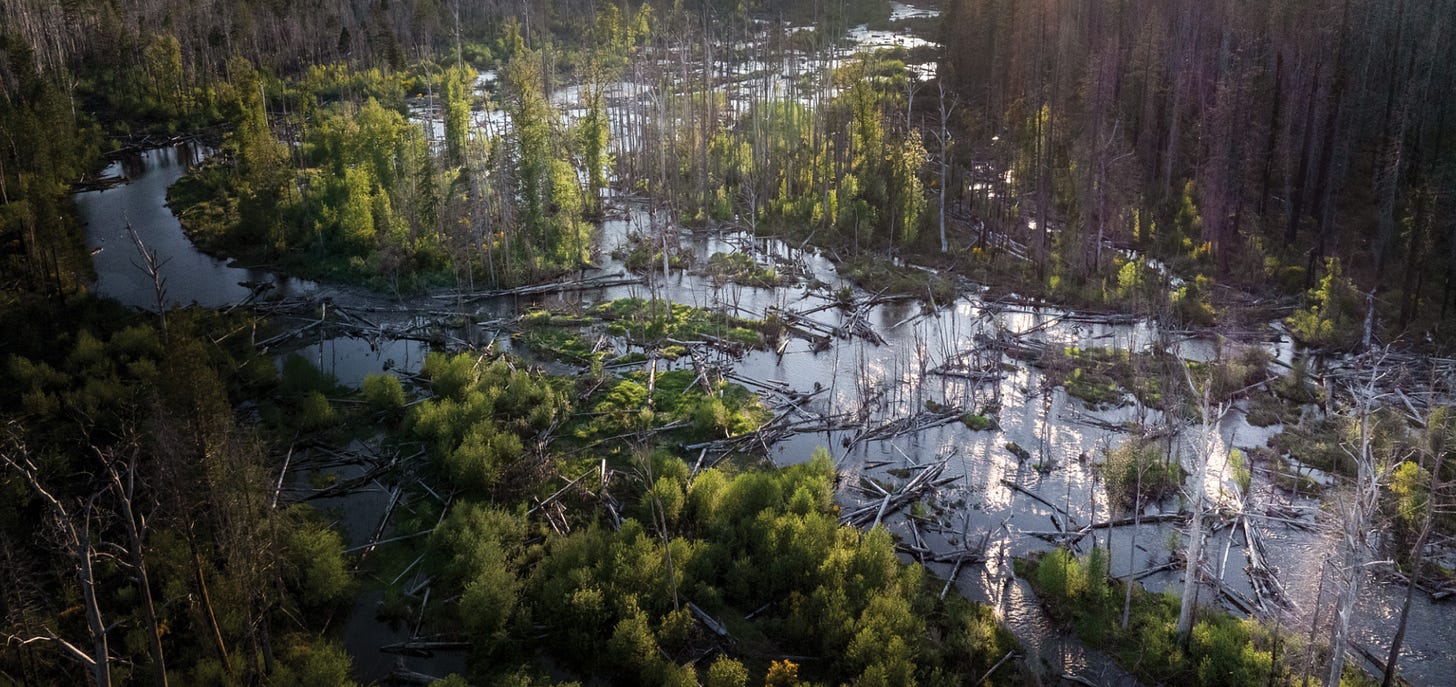
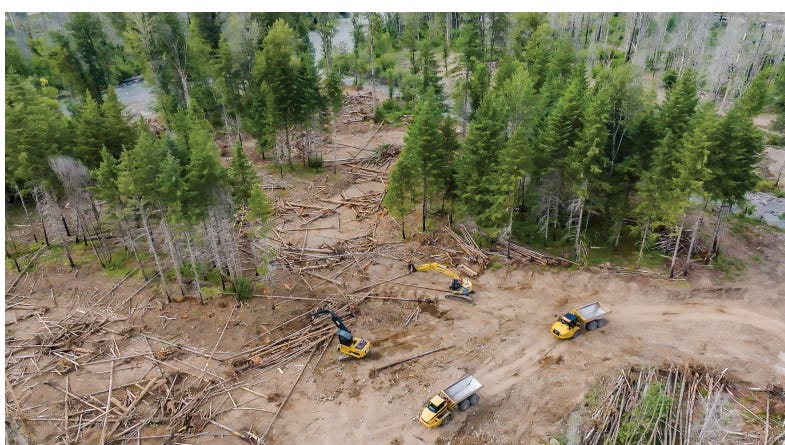
WHILE IT CAN BE HARD TO WATCH the construction of a Stage 0 project, the concept’s appeal can be equally hard to resist. Faced with the mess we’ve made of ecological relations, who hasn’t longed for a fresh start? This approach, down to its nomenclatures (Stage 0 or, as it is sometimes called, “valley reset”), seems to promise just this: an opportunity to return to the beginning — to before the beginning. A chance to shake the Etch-a-Sketch and start anew.
Advocates and critics alike caution against this framing. “We don’t expect to put everything back to the way it was before Lewis and Clark,” Thorne told me. “What we’re doing is empowering nature — by which I mean birds, amphibians, trees, plants, bacteria, everything — to get to work on the riverscape again, to be able to make and remake it continuously.” The result, advocates believe, will be an increased diversity of habitats and biota that will strengthen the watershed’s resilience to new climate extremes. “Will it come out like it did before? Probably not,” Thorne said. “It’s a different world now, a different river, a different catchment.”

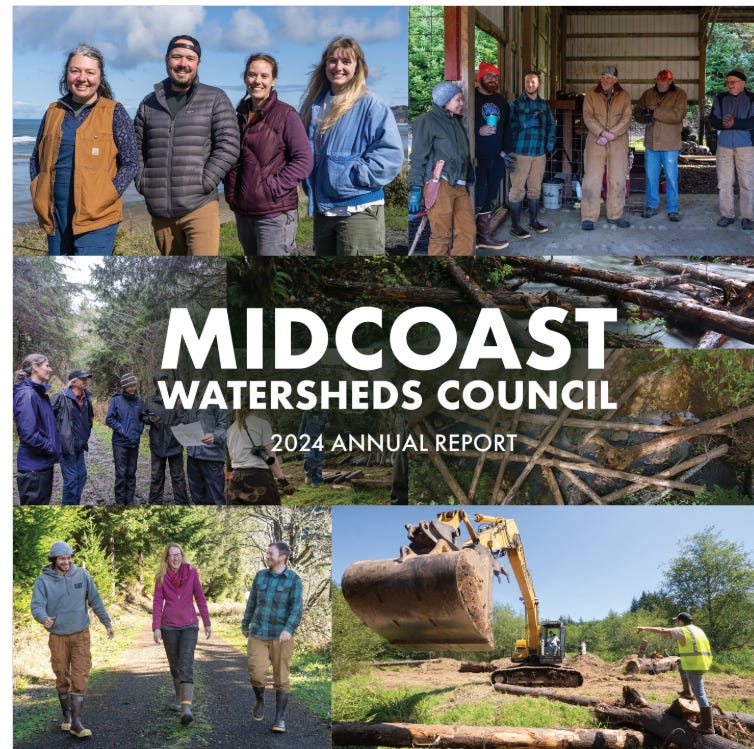
But the work the Midcoast Watershed Council is doing is much more fine-grained:
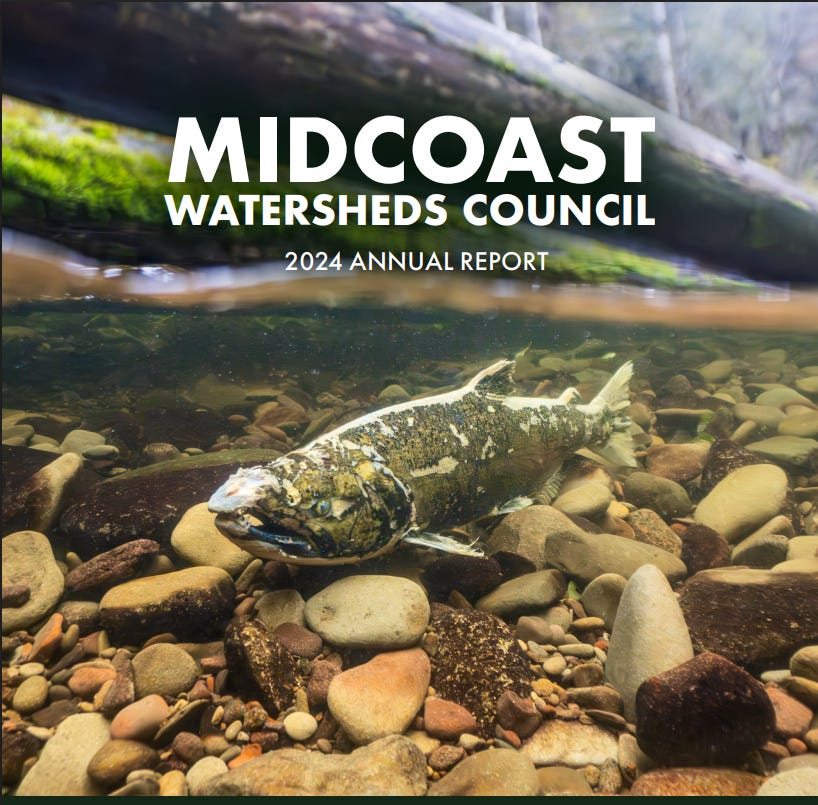
The newly formed Central Coast Beaver Partnership will complete data collection in 75+ streams this summer to calibrate the Beaver Restoration Assessment Tool (BRAT). The updated BRAT model will help us identify where to prioritize beaver-focused restoration in our coastal basins.
- We are revisiting a previous log placement project completed by BLM on the South Fork Alsea, where high flows moved logs out of the stream area. In summer, we’ll add more logs to stabilize the structures and increase stream complexity.
- Our monthly educational talks and frequent landowner dinner events will continue in 2025. MidCoast residents will learn why we restore small tributaries and tidal wetlands, and will have biweekly opportunities to get involved as volunteers.
- At Record Creek, we’re installing multiple Beaver Dam Anchors to help beavers establish persistent dams. Subsequent native tree planting and riparian restoration will increase beaver forage and dam-building materials on the site.
- Five years after the Echo Mountain fires, we are continuing revegetation efforts within the riparian and upland areas within the burned areas. We will carry out bank stabilization along the mainstem Salmon River to reduce erosion and continue efforts to upgrade culverts damaged during the fires.
Listen to Megan and to me as we traverse her narrative and her passions. Here is a recent email set of questions for Megan for a magazine called Oregon Voyager:
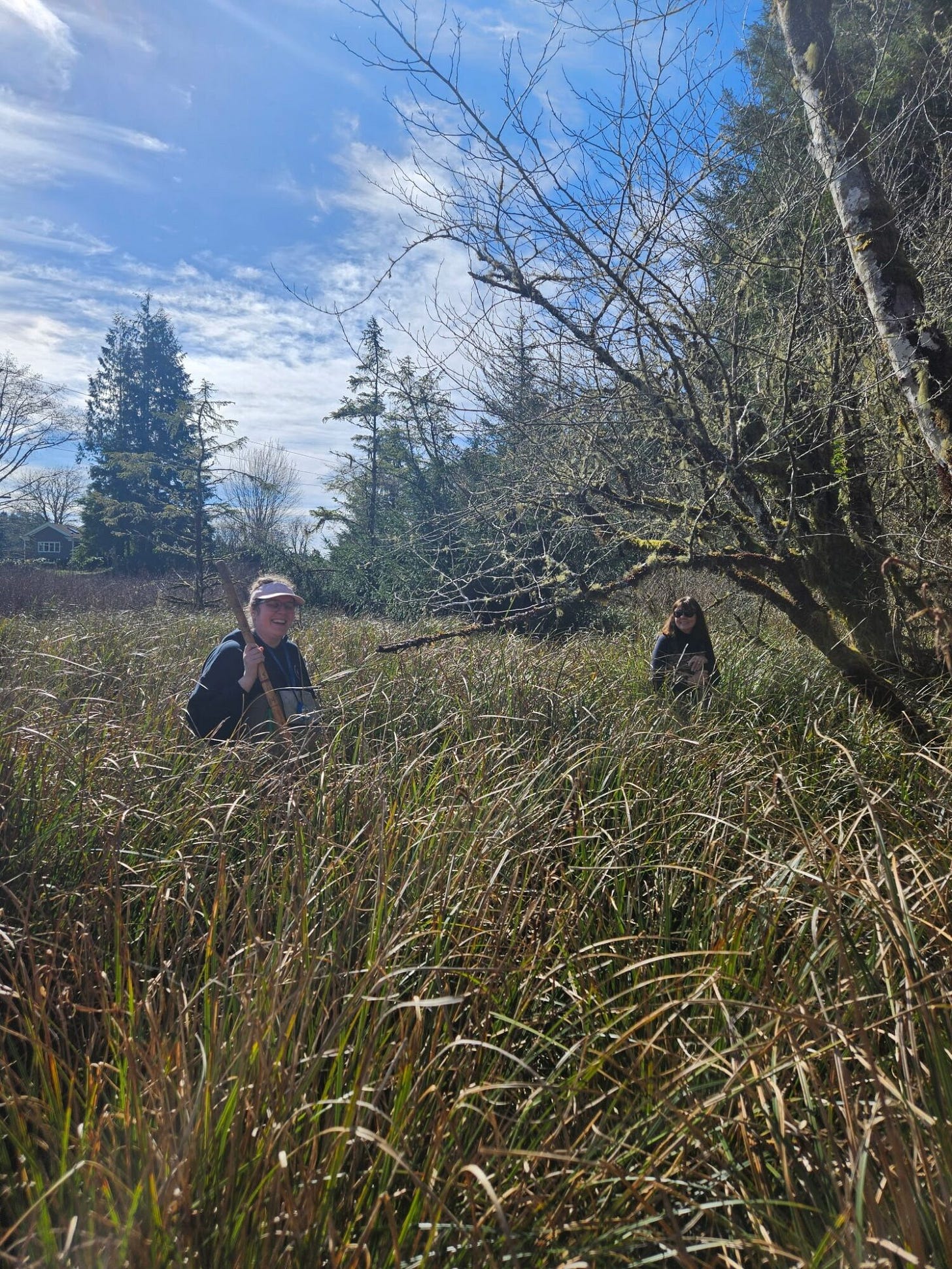
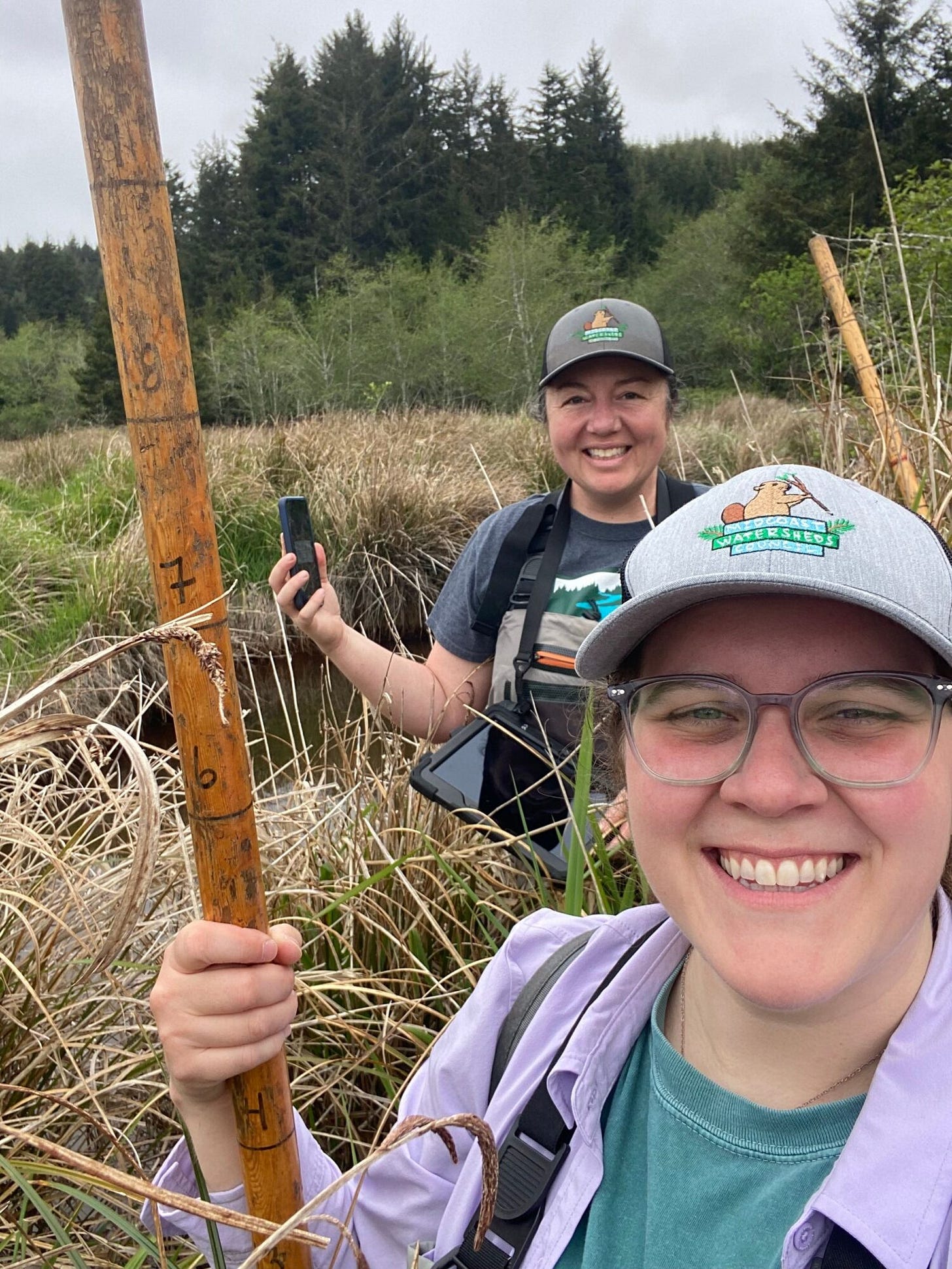
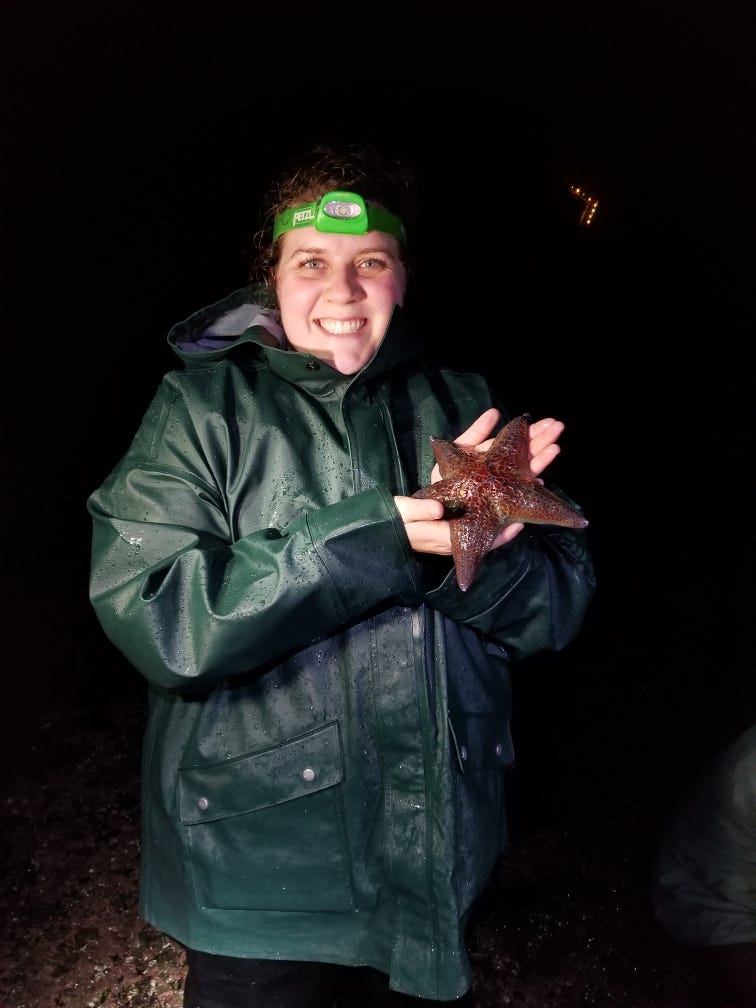
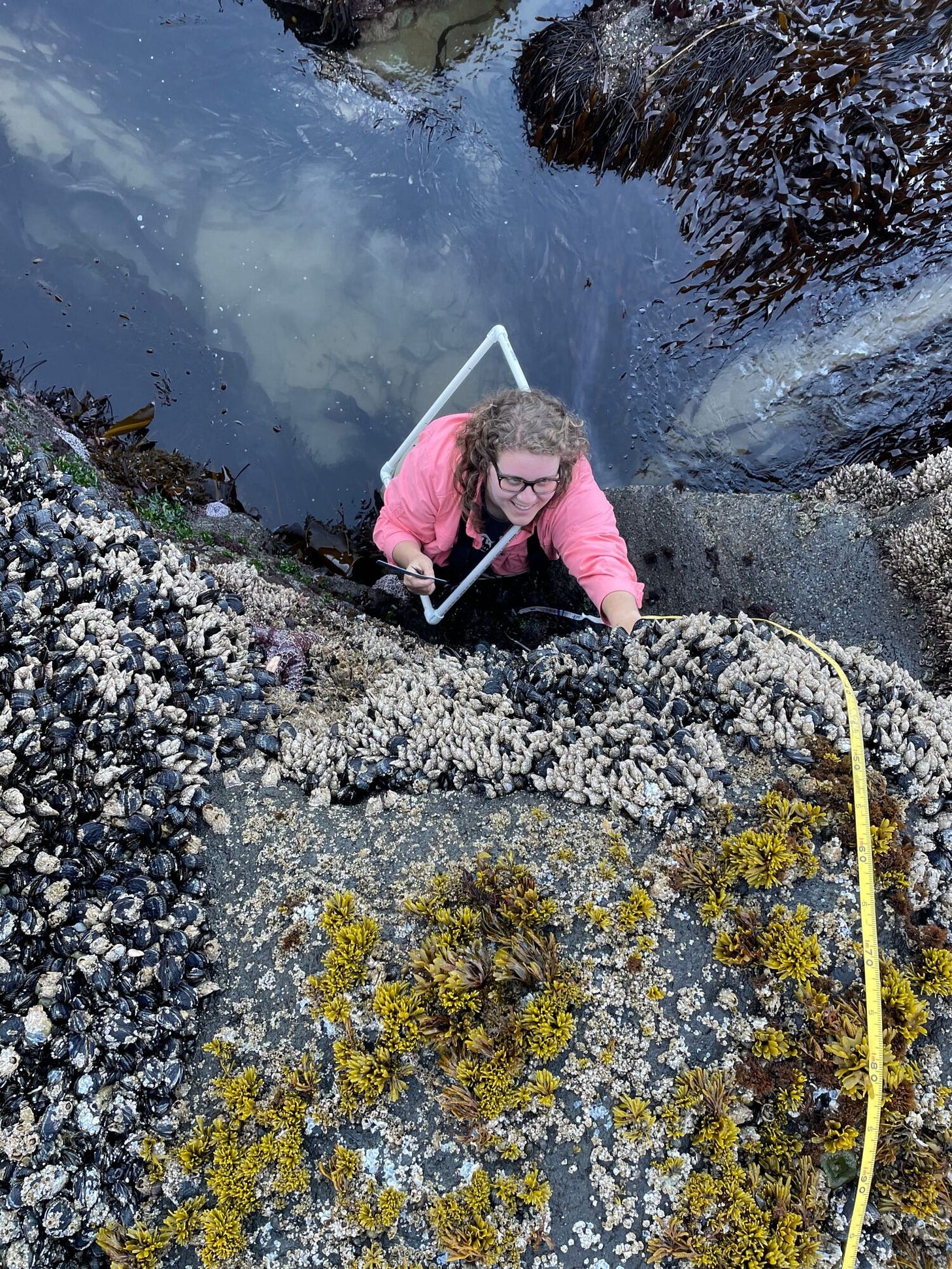
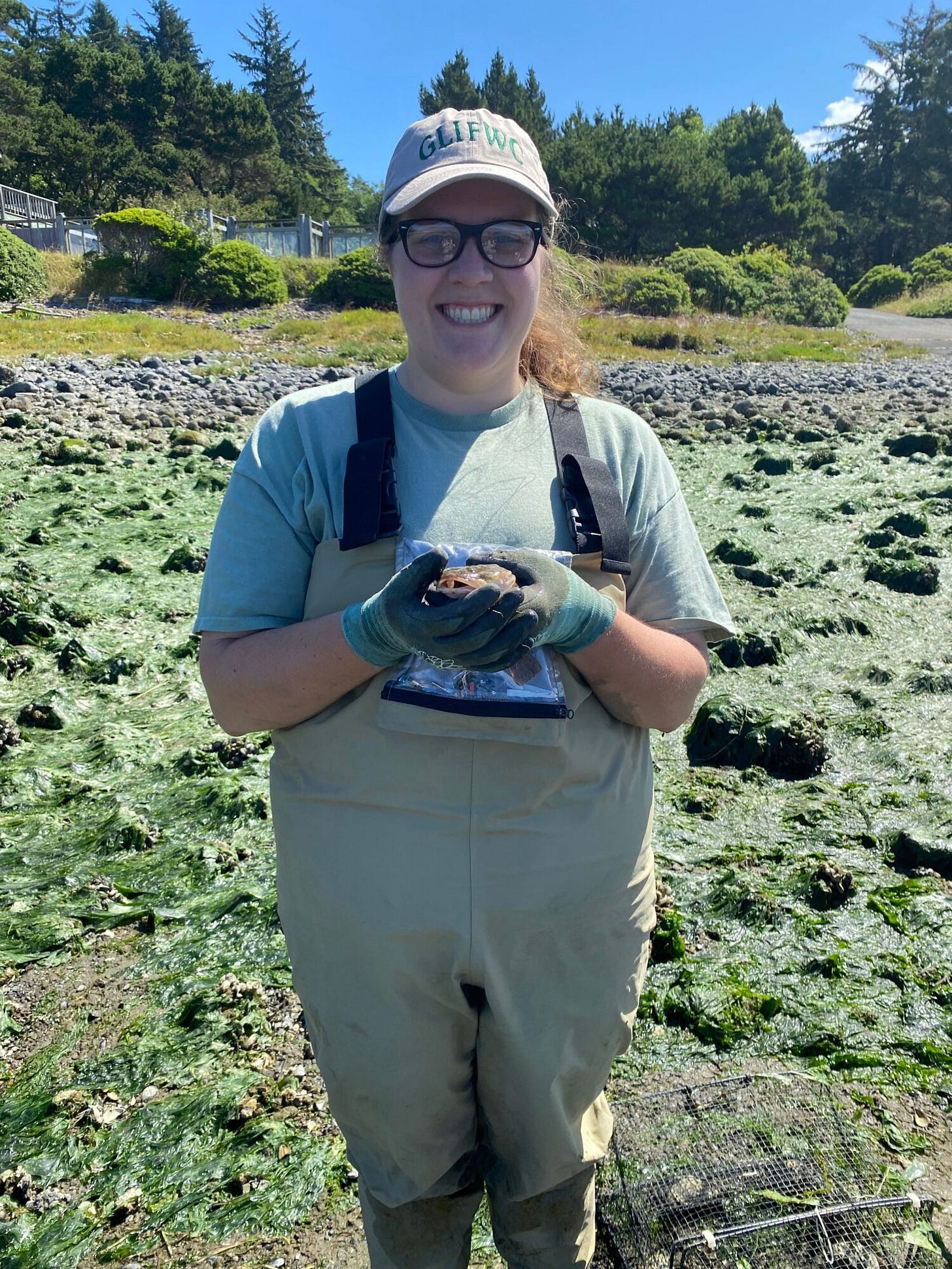
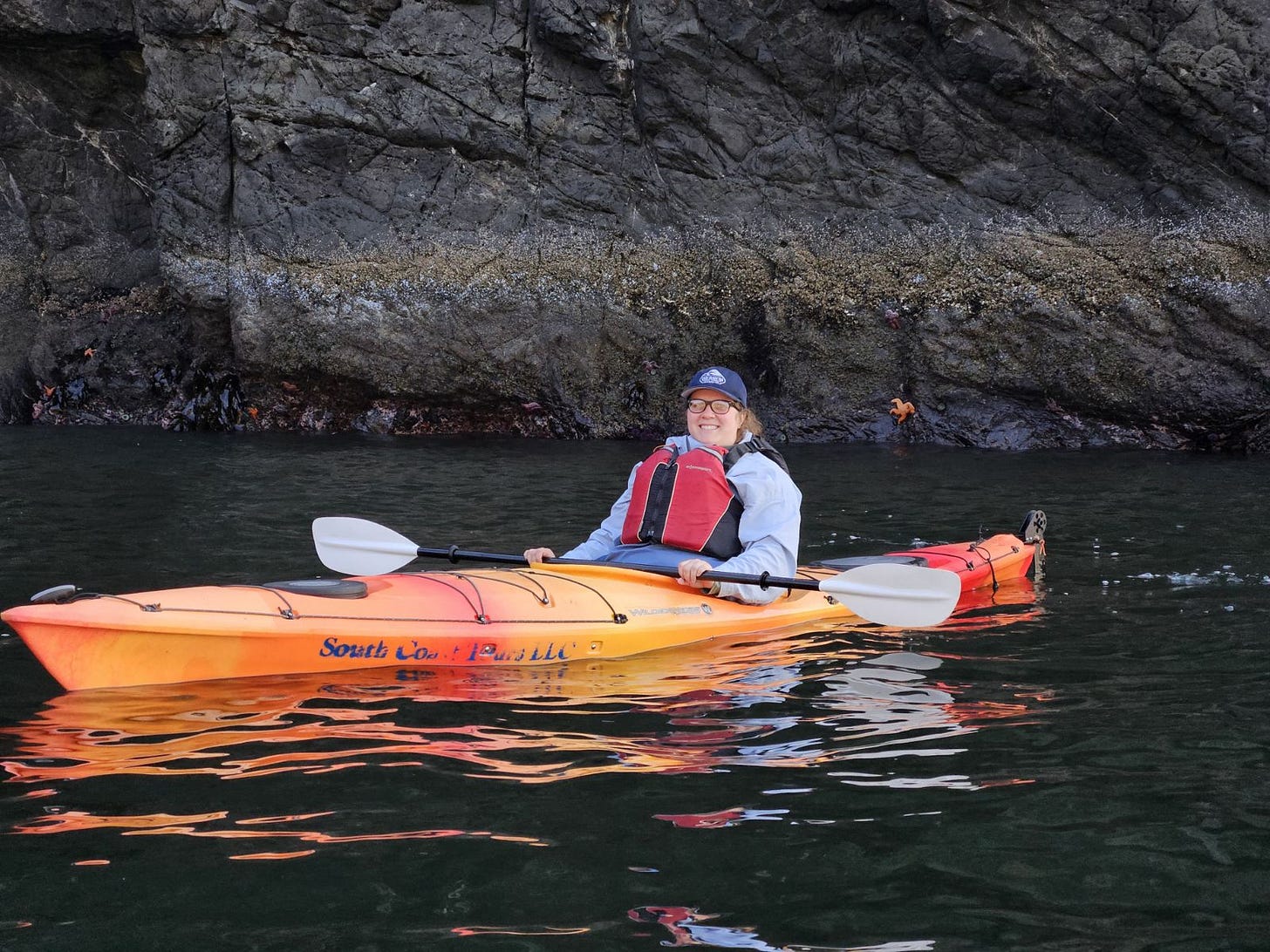
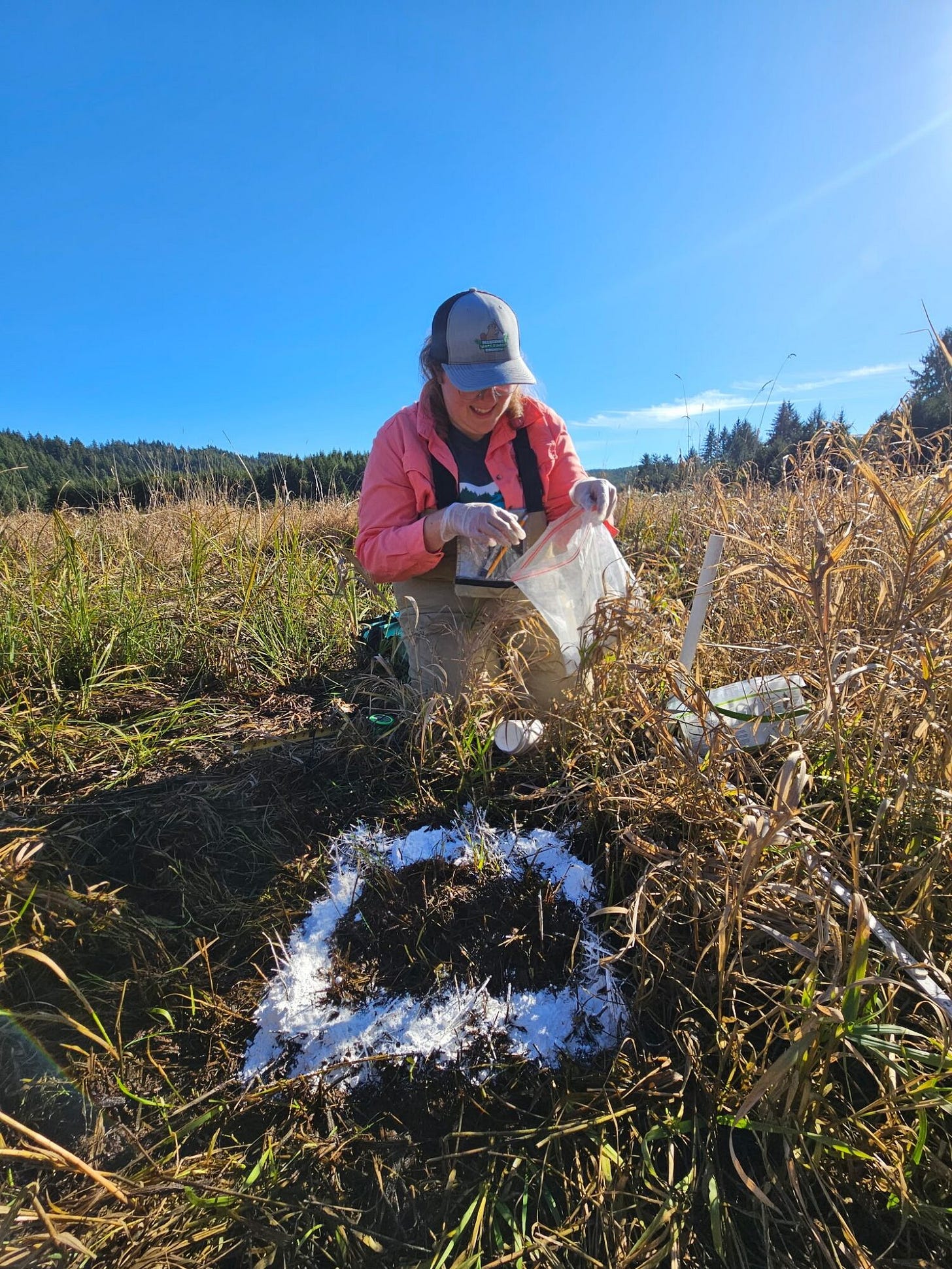
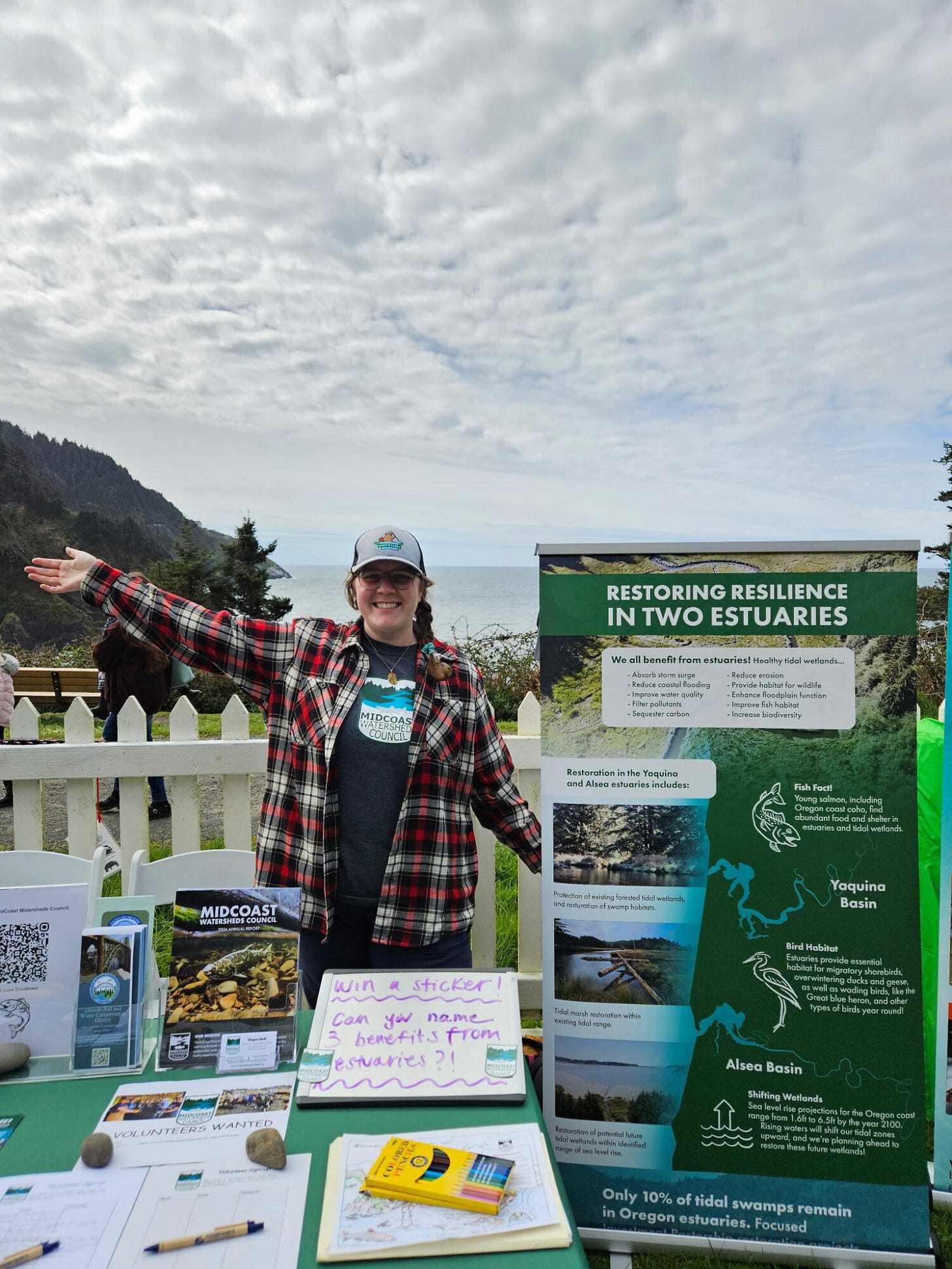
Alright, so thank you so much for sharing your story and insight with our readers. To kick things off, can you tell us a bit about how you got started?
Megan: I care deeply about building healthy and resilient watersheds for all beings. And that passion stems from a childhood filled with wonder and inspiration from the natural world. It follows, then, that my path has primarily centered on connecting people with the environment. Originally from the Midwest, I studied Environmental Studies and Sustainability at DePaul University. I was the President of a student urban farming organization where I managed a campus garden and greenhouse, created a farmer’s market with our garden produce, organized volunteer events, and developed educational programs. These early activities sparked my interest in environmental stewardship and community engagement.
As I gained experience in restoration, field biology, and environmental education, my focus shifted toward watershed health and coastal ecosystems. That interest led me to earn a Master’s degree in Environmental Science and Policy from the University of Wisconsin-Green Bay. While working as a Graduate Research Assistant with the Wisconsin Sea Grant Institute, I helped develop a community-driven watershed management plan, combining scientific research and monitoring with stakeholder engagement, public outreach, GIS mapping, and communications.
Over the years, I’ve worked in a variety of roles, including Naturalist, Water Quality and Watershed Educator, Environmental Laboratory Analyst, Shellfish Biologist, and Coastal Land Use Planner. Each experience strengthened my understanding of aquatic ecosystems and reinforced the importance of viewing people as a part of nature, not apart from it.
Outside of my professional work, I am deeply involved in conservation efforts along the Oregon coast. For the past five years, I’ve coordinated beach, river, and highway cleanups with the Newport Chapter of the Surfrider Foundation, organizing more than 100 cleanup events and building partnerships with volunteers, nonprofits, and local organizations. I also participate in several community science programs and serve on a few boards/committees for conservation nonprofits.
Ultimately, the common thread throughout my career has been my passion for communicating the vital connection between watershed health and community well-being.
I’m sure it wasn’t obstacle-free, but would you say the journey has been fairly smooth so far?
Megan: It definitely hasn’t been a smooth road! The environmental field is highly interdisciplinary, and it was challenging for me to determine what my focus should be. I’ve always been interested in a lot of different topics, including sustainable agriculture, environmental education, wildlife biology, watershed science, coastal ecology, land conservation, and community engagement. Over time, I realized that my holistic work and volunteer experiences were helping me discover what I enjoyed most, and, as a result, I have built a diverse skill set that I still draw on today.
Another challenge was that environmental careers often require a significant amount of experience before you can secure a permanent full-time position. Like many people in this field, I spent years building my resume through internships, volunteer work, seasonal positions, graduate school, and networking. There were times when I was balancing multiple commitments, relocating for opportunities, or taking jobs that were valuable learning experiences but not necessarily long-term roles. Looking back, those experiences taught me a lot about persistence and the importance of building relationships. Many of the opportunities that shaped my career came through mentors, professional connections, and community involvement. Volunteering with conservation organizations not only helped me gain experience but also introduced me to people who both inspired and supported my growth.
While the path wasn’t always straightforward, I’m grateful for the variety of experiences along the way, which ultimately helped me find a career that combines many of my interests and led me to my current role supporting watershed restoration and outreach on the Oregon coast.
Thanks – so what else should our readers know about your work and what you’re currently focused on?
Megan: I love my job! I work as an Outreach and Communications Specialist for the MidCoast Watersheds Council (MCWC). The MidCoast Watersheds Council is a non-profit organization based in Newport that has been working for over 25 years to protect and restore nearly one million acres on the central Oregon Coast. We work to ensure our watersheds produce clean water, provide habitat for fish and wildlife species, and support a healthy ecosystem, economy, and culture. We rely on partnerships with local, state, tribal, and federal agencies, as well as collaboration with students, researchers, private landowners, and the community to accomplish the work we do on the landscape.
In my role, I help engage communities in watershed restoration through education, outreach, volunteer programs, and storytelling. Much of my work involves designing outreach materials, managing digital communications, building community partnerships, coordinating programs and events, and creating opportunities for community members to participate in restoration and stewardship projects. I enjoy translating habitat restoration into experiences that are accessible, engaging, and inspiring for people from all backgrounds. I am proud of my ability to build connections between organizations, community members, and the natural world.
One of the accomplishments I am most proud of is developing a new community event called Conservation and Clay, which brought together art, science, and environmental education in a unique way. In partnership with another local nonprofit, Coastal Community Clay, I helped create a place-based workshop that connected participants to conservation through learning and creative expression. The program began with a guided walk along an estuary where participants learned about habitat restoration, the importance of tidal wetlands, and the role native riparian plants play in healthy ecosystems. Participants then transformed their observations into hand-built clay dishes inspired by the textures, forms, and patterns found in the landscape. Seeing people engage with conservation through creativity was incredibly rewarding, and the event demonstrated how art can be a powerful tool for fostering deeper connections to place and environmental stewardship.
The quality that has been most important to my success is strong interpersonal skills. Much of my work centers on building relationships- whether with volunteers, community members, nonprofit partners, agency staff, landowners, or educators. I enjoy bringing people together around a shared purpose, listening to different perspectives, and creating connections that lead to meaningful collaboration. Many of the projects and programs I am most proud of have been successful because of the trust and partnerships I have built along my career path.
Contact Info:
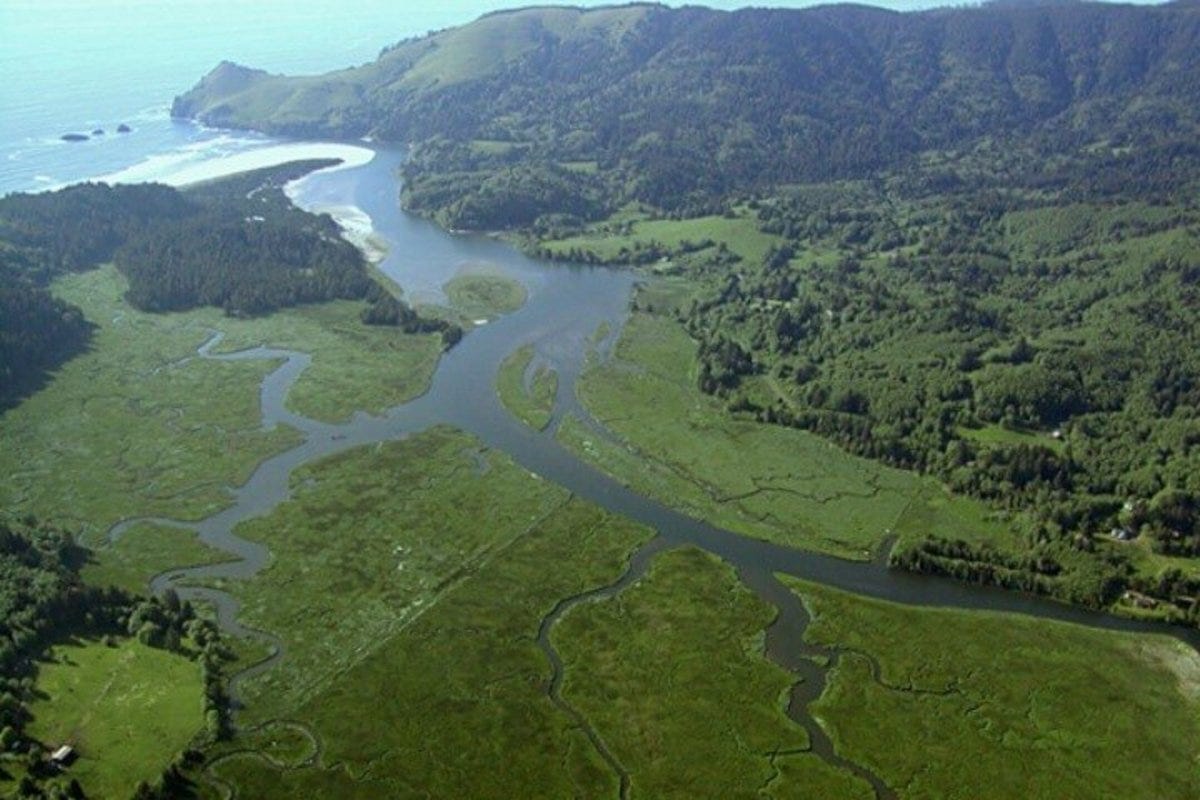
FYI — More information about MCWC’s work and wetlands. Seven Years Ago: “Tidepools, Dungeness Crabs, Serenity-Fed Beaches and Recreation a Thing of the Past?”
&
“Fish Do Grow on Trees” July 13th, 2020, Dissident Voice by Paul Haeder