






 In medicine, I learned to listen when a nurse said, “Doctor, come look at this.” She might have been at the bedside for six hours. I might have been there for six minutes. If I brushed her off because I was the one who signed the orders, the patient would pay for my pride.
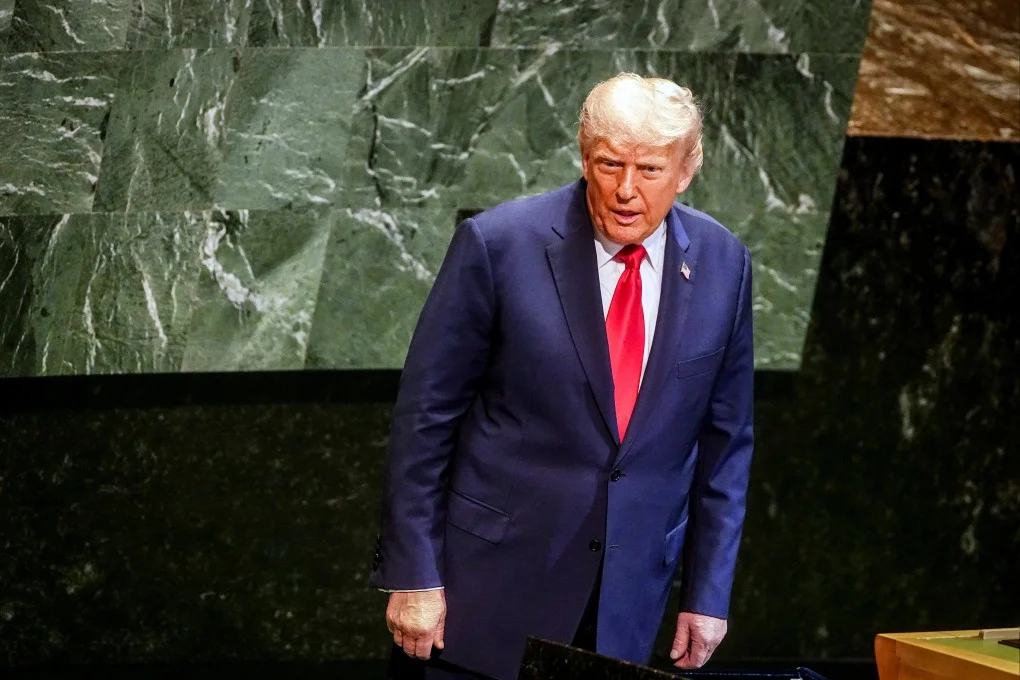
A president has more reason to learn that lesson than any physician. He has to make decisions about things he cannot possibly see for himself. He depends on people willing to walk into his office and tell him that a policy is failing, that a number is wrong, or that the country has made a choice he wishes it hadn’t made. Donald Trump has shown those people what they can expect when they do their jobs.
In November 2020, Christopher Krebs headed the federal agency responsible for helping safeguard election infrastructure. His agency and its election security partners reported that they had found no evidence any voting system had deleted or lost votes, changed votes, or been compromised. Trump publicly called the assessment inaccurate and fired him.
More than four years later, back in office, Trump signed a memorandum directing the suspension of any active security clearances Krebs held, pending a review, and ordering a wider review of the agency’s activities. Consider what that tells the official who gathers the evidence for the next briefing. An unwelcome finding can cost you your job. It can follow you after you’ve left it. How many people have to learn that lesson before the president starts getting a different kind of briefing?
I spent part of my legal career as a prosecutor. Suppose a police officer comes to you the evening before trial and says he can’t be sure of something you’ve built your case around. You’ve prepared the witnesses. You’ve told the victim’s family what to expect. You may have put weeks into the case. You still need that officer to tell you what he knows and where his certainty ends. If he thinks he has to protect you from embarrassment, you’re in danger of asking a jury to convict somebody on evidence you already have reason to doubt.
That is my quarrel with Trump. When he makes an example of someone who contradicts him, everybody else in government sees it. The damage reaches beyond the person he fires. A civil servant can leave a finding out of a memo. An adviser can decide to raise a doubt next week, when the president might be in a better mood. By then an order has gone out, people have made plans around it, and the warning that might have changed the decision never reached the person who needed to hear it.
Republicans in Congress have a duty here. They can ask for the records behind an executive decision. They can call officials to testify under oath and ask what they knew when the order was given. When the administration withholds an answer, they can say so in public and explain what they intend to do about it. A member of Congress who tells his constituents he has concerns should be able to name one thing he has done to act on them.
I would ask the same of Democrats under a president of their own party. Today, Donald Trump exercises the power, and Republicans in Congress are among the people best placed to check it. Some of them may pay a political price for speaking plainly. I take that seriously. I also think about the people back home who will live with the decisions their representatives knew enough to question and let pass anyway.
A president is entitled to hear his Cabinet’s advice and decide against it. The trouble with Donald Trump is that he too often takes honest disagreement as a personal affront. When a president lets his pride keep him from hearing even the best people he appointed, he puts the Union in peril. The next time a decision goes wrong, somebody in that room may have seen it coming and decided it was wiser to keep quiet.
I never thought less of a nurse for asking me to come back and look again. She had a patient to take care of. The people who work for Donald Trump have a country to take care of. When one of them has the courage to tell him he’s wrong, the least the president can do is listen.