



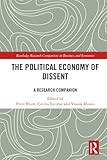

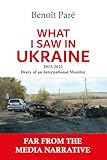





Collage @ Jan Oberg 2026
Here is what S-G Rutte said yesterday:
“We will announce tens of billions in new contracts that will provide the crucial kit we need to deter and defend”, said Mr Rutte in Ankara, “This will help grow our economies, spread innovation and support hundreds of thousands of jobs, on both sides of the Atlantic.” (my italics)
Yes – but only if you ignore that similar investment in the civilian society – industry, infrastructure, health care, education, culture, whatever – would grow the economies much more.
Furthermore, military investments reduce the resources available for civilian investments.
Either Rutte is ignorant and has no idea about military economics. Or he is deliberately deceiving the public.
I have documented the destructive effects of armament and militarism in the only analysis that exists in the NATO/EU space – the only one for a reason: State- and/or corporate-financed research institutes dare not analyse the effects of militarisation, which, even by common sense, are destructive to society and development. TFF dares because we accept no government or corporate support.
In summary, be aware of – and disseminate – these three truths:
- NATO is not only harmful to our security because it is built on weapons first, offensive long-range deterrence and first use of nuclear weapons, a combination that simply cannot create the peace it has promised since 1949.
- It is also a direct threat to our societal well-being, parasiting on the civil economy of every member state.
- Our children and grandchildren will pay the price for this madness which was created by NATO’s hubris expansion against all promises to Gorbachev, Russia’s invasion response and the NATO/EU refusal to use diplomacy and talk with the Russians after their historical expansion blunder.
Part 1 of my armament economics analysis here.