










We talked for an hour on my radio show. Andony Melathopoulos, Associate Professor Pollinator Health Extension, Department of Horticulture | Oregon State University.


Abstract
- The Bees of Oregon 2025 report outlines several key areas of progress for bee health in the state across three broad areas, the Oregon Bee Project, honey bee colony survival, and the Oregon Bee Atlas. The Oregon Bee Project is a collaborative initiative led by the Oregon State University (OSU) Extension Service in partnership with state agencies for agriculture, forestry, and transportation.
- Established after the 2014 Legislative Task Force on Pollinator Health, the Project focuses on reducing pesticide exposure, increasing habitat, and monitoring exotic pests. The Project is currently nearing the end of its Second Strategic Plan (2022-2027) and has met or exceeded many of its targets. It successfully trained over 12,000 licensed pesticide applicators, with 95% demonstrating comprehension of bee protection provisions, contributing to a downward trend in reported pesticide incidents documented by Oregon’s Pesticide Analytical and Response Center (PARC).
- Training on creating bee habitat has been delivered to thousands of licensed pesticide applicators, but also to the public through initiatives like the Bee Advocate and Bee Stewards programs, supported by the distribution of regional garden designs and seed packets. The Oregon Department of Agriculture (ODA) Insect Pest Prevention and Management (IPPM) program has been working with the Oregon Bee Atlas to track and conduct active surveillance against exotic bees and pests such as the Houdini fly and invasive hornets.
- The state has also built up considerable capacity to survey for wild bees through 275 OSU Master Melittologist volunteers and a series of reports and taxonomic guides developed through the OSU Melittology Lab. K-12 students at over 370 Oregon schools have been introduced to the richness of the state bee fauna through the Explore Oregon Bees activity book. Despite generating over $800,000 since 2023 through the “Pollinator Paradise” license plate to fully support a bee taxonomist position and honey bee disease diagnostic positions at OSU, the project faces a funding gap in May 2026 as federal support for a coordination position ends.
- This report also provides a summary of honey bee colony loss compiled by the Oregon State University Honey Bee Lab. The Lab has been tracking colony health among commercial honey bee colonies, as well as among hobby beekeepers by delivering a survey since 2010. Over this time there has been a decreasing trend of colony losses for hobbyist beekeepers but an increasing trend for commercial beekeepers. Commercial losses across this period, however, remain lower across this period compared to those of hobbyists (22% vs. 36%). Preliminary results for the 2025–2026 season show hobbyist losses at 22%, with commercial data still pending.
- The Oregon Bee Atlas has grown into North America’s largest contemporary state bee inventory, producing over 30,000 specimen records in 2025 alone. Supported by the nation’s first Master Melittologist Extension program, the Atlas utilizes a network of highly trained volunteers to document bee biodiversity and bee-plant associations across the state’s ecoregions. The project presents 567 bee species in this report, while DNA barcoding results provide evidence of nearly 200 additional species. These species combined with those awaiting identification among Atlas material, and those awaiting discovery in Oregon’s diverse landscapes constitute an impressive fauna. The report provides a list of species collected since 2017, as well as Level III ecoregion summaries of common and uncommon bees and the plants they rely on.
- Based on these surveys, the Blue Mountains ecoregion currently represents the highest documented diversity in the state with 418 species. There are likely more bee species to be detected in the state, with over 100 species likely not detected in the Columbia River Plateau alone. These data are informing new conservation tools like the Melittoflora (melittoflora.org) that will enable Oregon to make more precise investment in bee habitat.

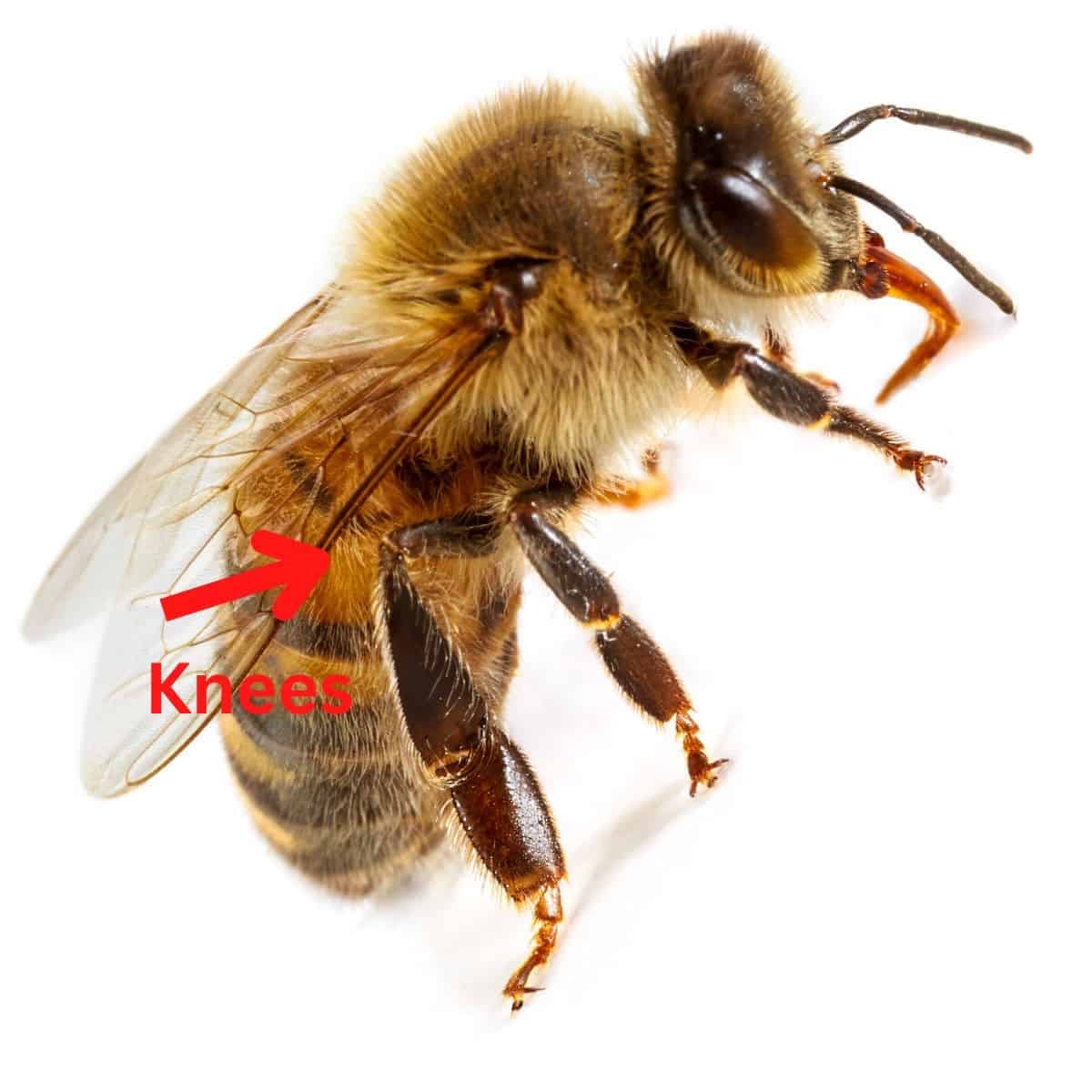
The passion and smile say it all — this professor is the bee’s knees! And we talked and talked about the bee, the 20,000 or more bee species on planet earth, you betcha.

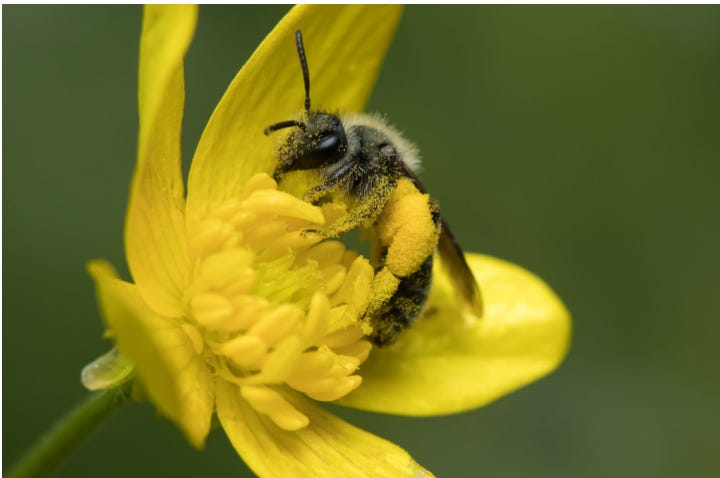
Andrena caerulea a specialist on Ranunculus

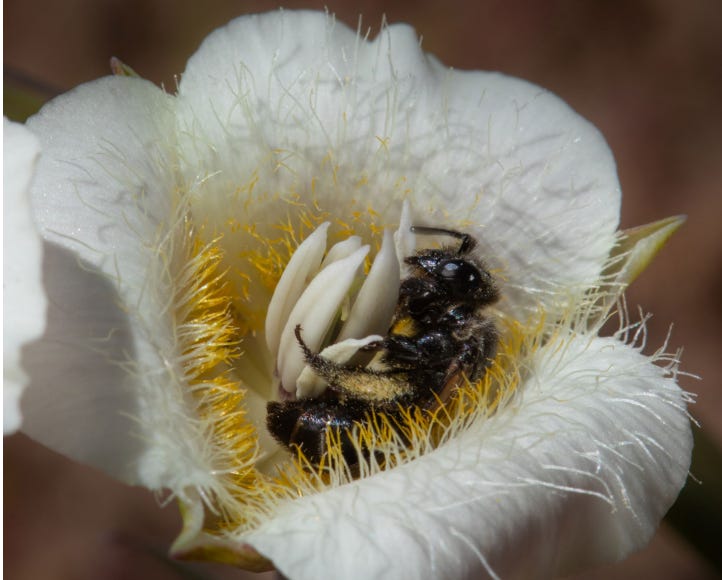
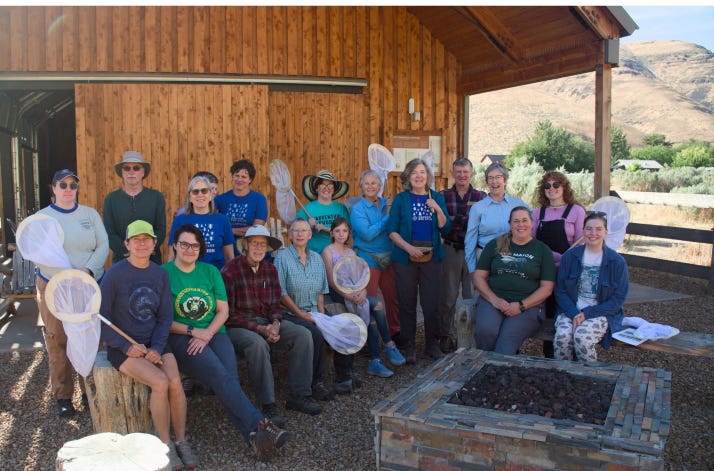
Master Melittologists before setting out to collect bees at Cottonwood Canyon State Park. Volunteers collect bees that are used for the Oregon Bee Atlas, Oregon’s state inventory of bees.
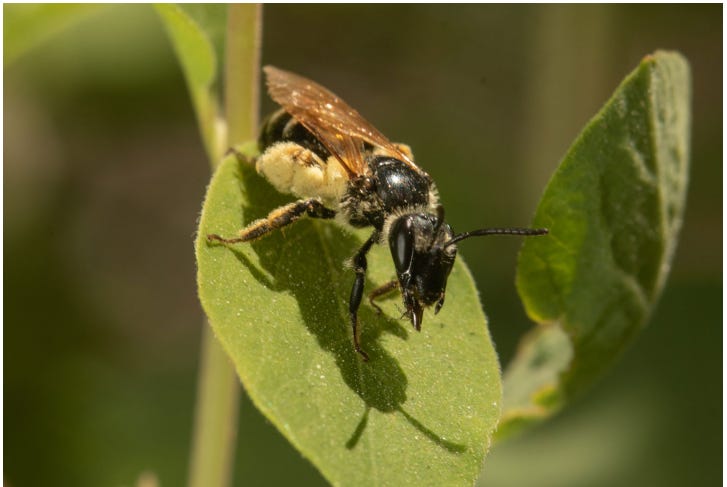
Andrena cheyennorum, a specialist on Symphoricarpos, had not been recorded previously in Oregon. Though about half of the Andrena collected through the OBA remain at the genus level, more than 100 species have been identified, including many new state records.
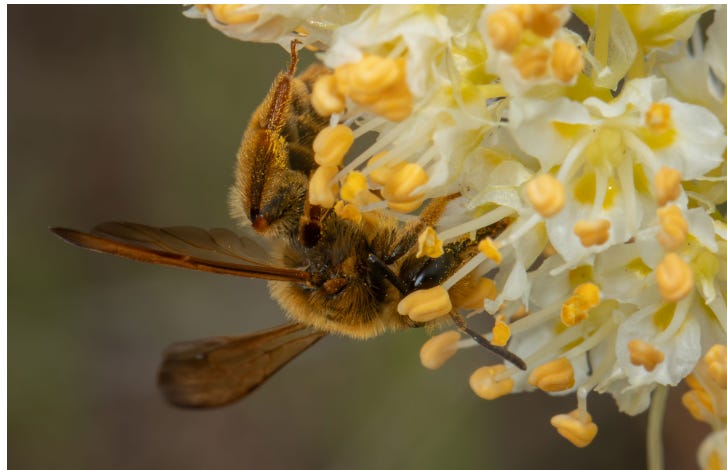
Andrena astragali, a specialist on Toxicoscordion
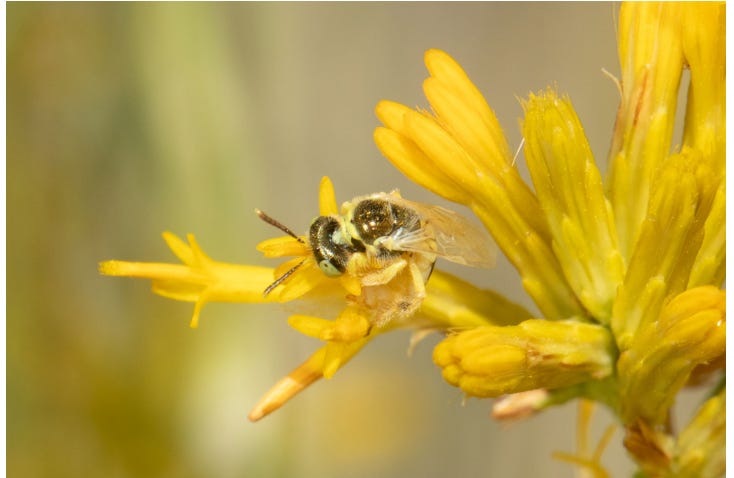
Perdita oregonensis, a specialist on Asteraceae such as Ericameria
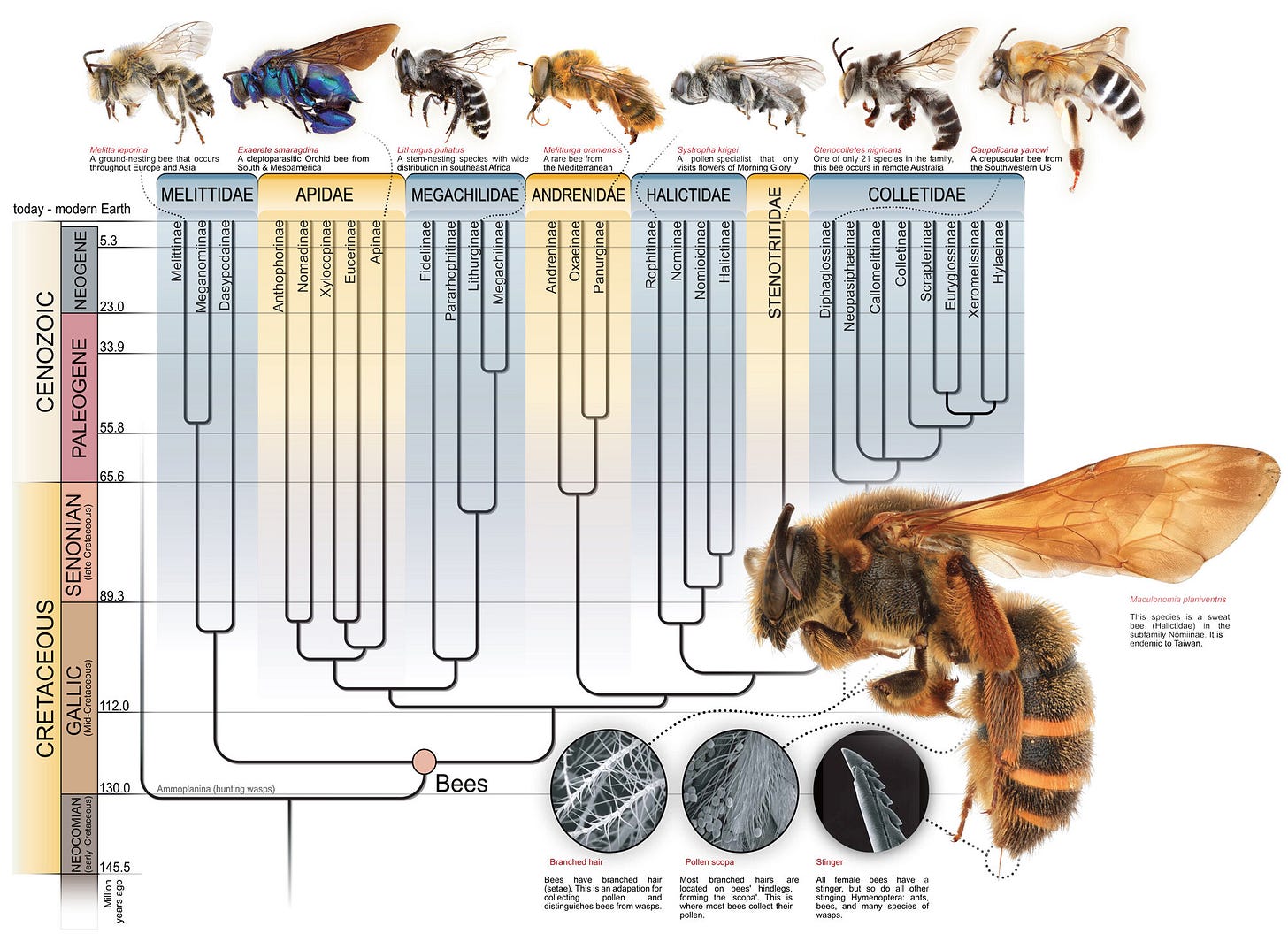
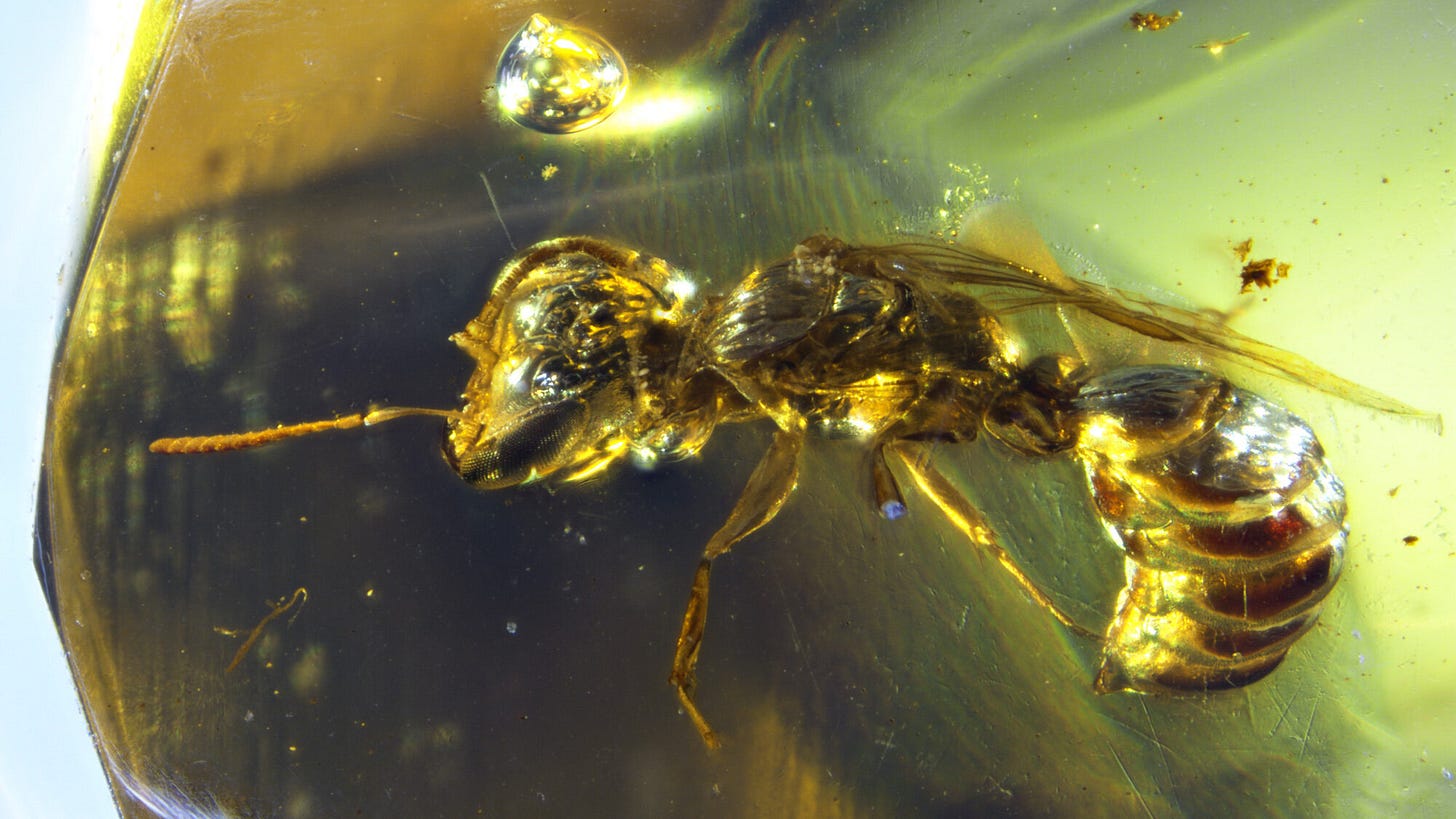
Bees evolved from ancient predatory wasps that lived 120 million years ago. Like bees, these wasps built and defended their nests and gathered food for their offspring. But while most bees feed on flowers, their wasp ancestors were carnivorous. They stung and paralyzed other insects, bringing them back to feed developing offspring in the nest.
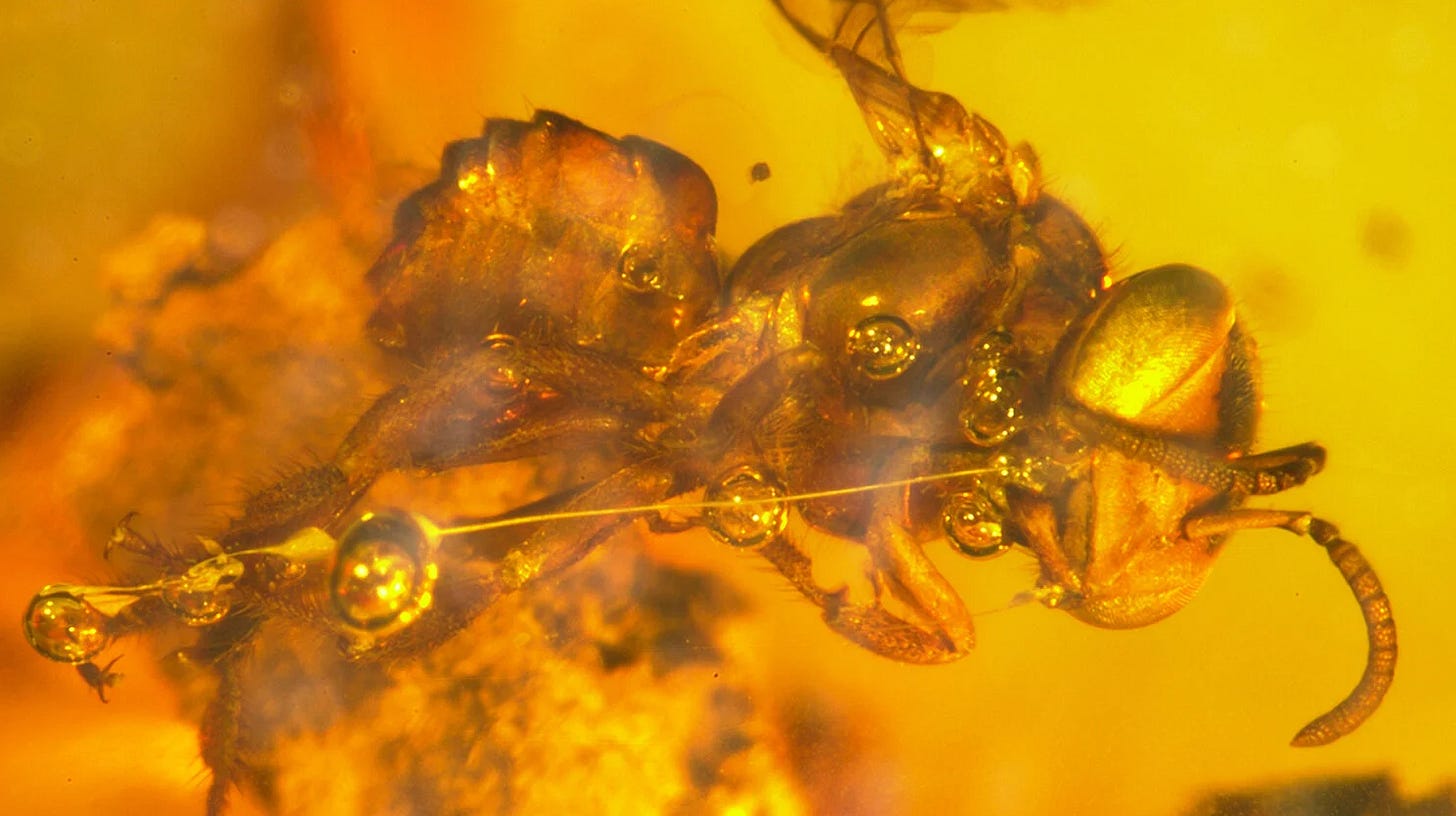
Pemphredonine wasp. This 100-million-year-old wasp fossil (preserved in amber) from Myanmar is one of the closest relatives of bees.
So, this is what Finding Fringe: Voices from the Edge covers, too, not just Low Key and Gazan poets and politics, though the politics of bees is embedded in what Andony and I discussed.
The politics of CEOs and giant corporations running roughshod on human and planetary health!
- Herbicides: Formulated to eliminate weeds and unwanted vegetation. Examples include glyphosate and atrazine.
- Insecticides: Designed to target, disrupt, or kill insects. Examples include bifenthrin and permethrin.
- Fungicides: Used to manage fungal pathogens, blights, rusts, and molds. Examples include propiconazole.
- Rodenticides: Created to control mice, rats, and other nuisance rodents.
- Antimicrobials & Disinfectants: Used to destroy microscopic bacteria and viruses on inanimate surfaces.
- Nematicides: Targets microscopic, parasitic worms known as nematodes.
- Molluscicides: Used to manage snails, slugs, and other mollusks.
Pesticide History and Regulation
Until the last century, pesticides were made from plant extracts or mineral-based materials such as copper, and people relied much more heavily on preventative techniques such as crop rotations and sanitation. In the 20th century, “synthetic” pesticides were designed to “control” a variety of “pests”. Examples include DDT, glyphosate (found in a number of products including Roundup), 2,4-D (in many weed and feed products), and imidacloprid (one of the neonicotinoid insecticides). While new synthetic pesticides continue to be invented and brought to market, new trends include pesticides formulated with microbial organisms, and pesticide-making genes designed directly into seed (e.g., genetically modified corn that includes the soil bacterium Bacillus thuringiensis).
The EPA regulates pesticides under several laws, the most important of which is the Federal Insecticide, Fungicide, and Rodenticide Act (FIFRA). Under FIFRA, the EPA weighs the costs (risks) and the benefits (value) of each new pesticide before approval for sale. Unfortunately, this regulatory process underestimates ecological impacts. For example, EPA considers one pesticide at a time, even though intensively managed landscapes expose bees and other invertebrates to multiple pesticides simultaneously. Furthermore, EPA relies on tests of just a handful of species to predict ecological impacts of each pesticide. For example, honey bees stand in for native bees—even though the life cycles and habits of native bees, most of which are solitary and nest in the ground, are quite different. Ultimately, that means that even when a pesticide product is used legally, it does not guarantee safety for our invertebrates. While they are generally less concerning than conventional products, even some pesticides approved for use in organic agriculture can pose risks to pollinators.
Common Types of Pesticides and Concerns
Insecticides and acaricides are designed to kill or disrupt biological processes in insects and/or mites and spiders, and are often highly toxic to pollinators and other invertebrates. Classes of insecticides in current use include neonicotinoids, organophosphates, pyrethroids (often used in mosquito management), and many more. Broad-spectrum insecticides can harm a wide range of insects. Neonicotinoids and other systemic insecticides pose the additional risk of delayed exposure since they can persist in plants and the environment for months to years after an application.
Herbicides
Herbicides may kill plants or, in the case of pre-emergent herbicides, prevent plant germination. Herbicides can indirectly impact pollinators and other invertebrates by eliminating habitat. For example, declining populations of the monarch butterfly have been linked to increasing herbicide use—because that, in turn, leads to the loss of milkweed and nectar plants that monarchs rely on. Scientists have also discovered that some herbicides can directly harm insects: the commonly-used herbicide glyphosate disrupts honey bee navigation and can interfere with microbes in their guts, making exposed bees more susceptible to harmful pathogens.
Fungicides
Fungicides are widely used to control plant pathogens and are often considered benign to insects. Though most fungicide exposures won’t kill a bee immediately, a growing body of research suggests that some fungicides can cause subtle yet significant harm to pollinators. Certain fungicides have insecticidal properties, others have been linked to increased risk of disease in pollinators, and some can even enhance the toxic effects of insecticides—a phenomenon known as synergy.
A honeybee hive operates as a single, massive living structure. Inside, the population is divided into three distinct roles:
- The Workers: All-female bees whose roles evolve as they age. They shift from tending to new sister bees, to scouting for flowers, to foraging and guarding the hive.
- The Queen: The heart and soul of the hive, whose only job is to constantly lay eggs to sustain the colony.
- The Drones: The males of the hive. Their sole purpose is to fly out and spread the colony’s genes to other colonies.
10,000 to 15,000 Years Ago: Prehistoric cave paintings in Spain and across Africa depict early humans harvesting honey from wild colonies.
9,000 Years Ago: The earliest evidence of beekeeping in artificial structures (pottery vessels) emerges in North Africa.
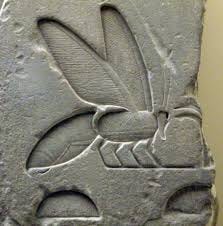
2450 BCE: Ancient Egyptians master organized beekeeping. Reliefs in the Solar Temple of Nyuserra in Abu Gorab show beekeepers using smoke and working with horizontal clay hives.
900 BCE: Archaeologists found an extensive ancient apiary in Tel Rehov, Israel, proving large-scale, structured beekeeping existed 3,000 years ago with rows of man-made clay hives.
1600s CE: European colonists brought honeybees to North America (where they are not native), transporting them in woven straw baskets called skeps.
1851: Lorenzo Langstroth revolutionized modern apiculture in the United States by inventing the removable, vertical modular frame hive, which is still the global standard for beekeeping today.

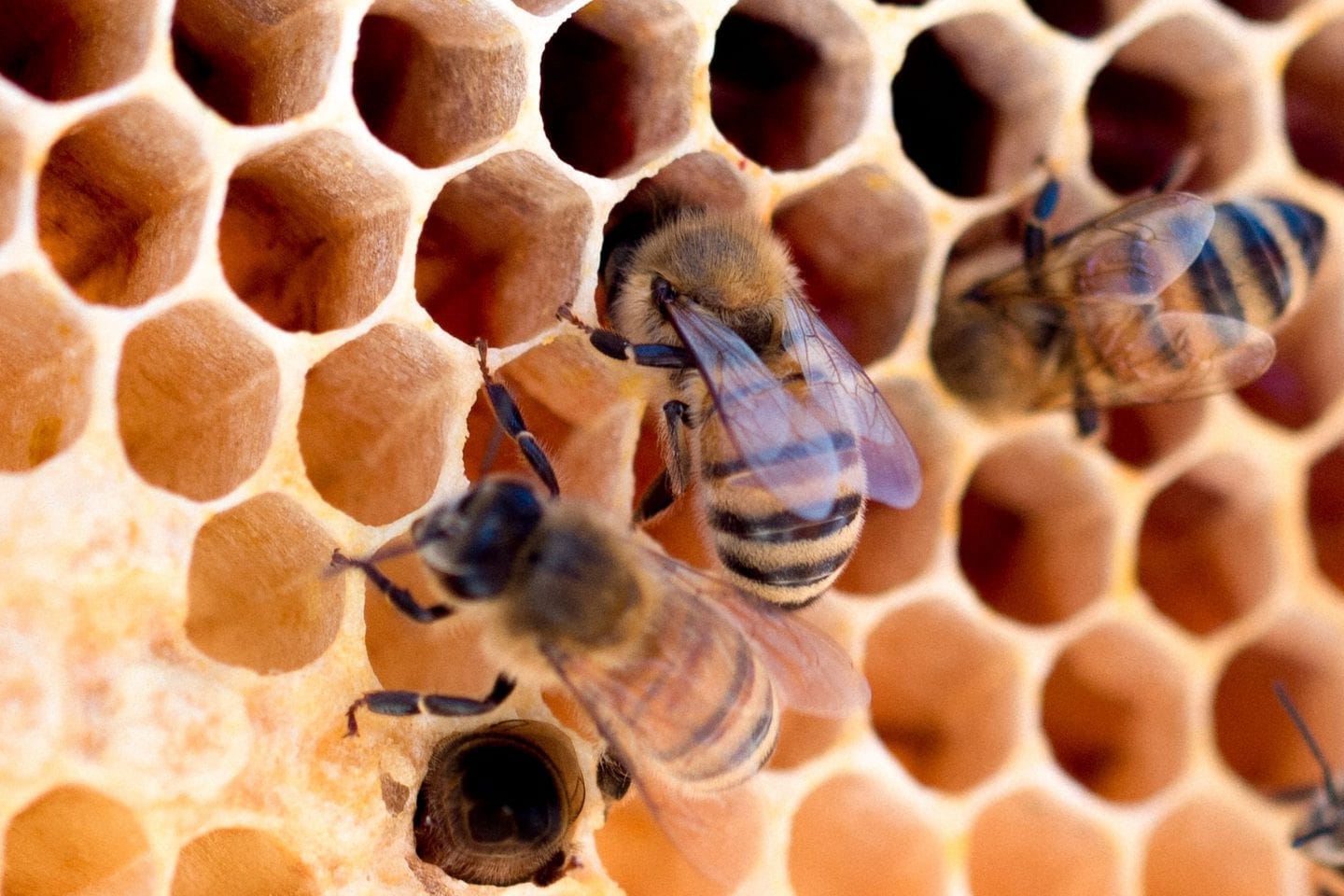
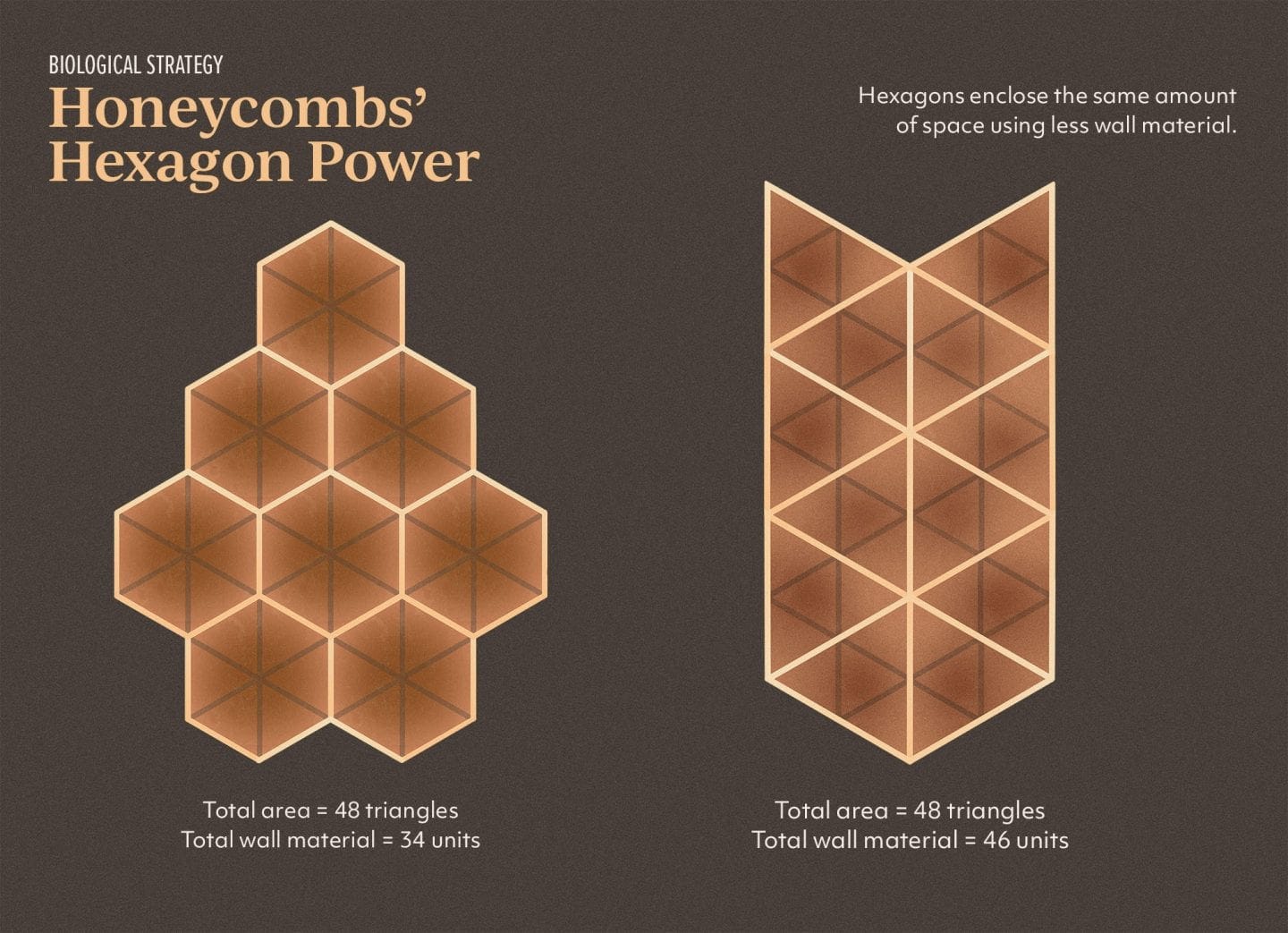
The honeycomb conjecture states that a regular hexagonal grid is the most efficient mathematical way to divide a flat surface into regions of equal area. It proves that hexagons minimize the total perimeter needed to enclose a given volume, which explains why honeybees use this shape to minimize the wax needed for their hives.
After standing as an unproven mathematical mystery for over 2,000 years, the conjecture was rigorously proven in 1999 by mathematician Thomas C. Hales.
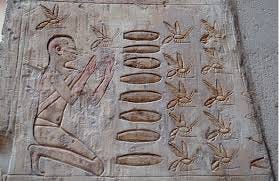
M. Maillet, who was French consul in Egypt in 1692, informs us that, about the end of October, all such inhabitants of Lower Egypt as possess hives, embark them on the Nile, and convey them upon that river to Upper Egypt; calculating to arrive there at the time when the inundation is subsiding, and the lands having been sown, the flowers begin to bud.
The hives being come to this part of Egypt, are there placed pyramidically in boats prepared for that purpose, after being marked and numbered by the several owners. Here the bees feed in the fields during some days, and when it is supposed that they have got in all the honey and wax that can be met with within two or three leagues round, their conductors convey them in the same boats two or three leagues lower, and remain there as long as is necessary to enable them to collect all the riches of the new station.
Thus the earth forwards its productions, and the plants come into bloom in proportion as they come nearer to their place of abode. In time, about the beginning of February, after having travelled through the whole length of Egypt, they arrive at the spots whence they had set out, and return to their respective habitations: for care is taken to set down exactly, in a roll or register, every district whence the hives set out in the beginning of the season, their number, and the names of the particular persons who sent them, as likewise the mark or number of the boats, in which they were placed according to their several habitations.
Niebuhr saw upon the Nile, between Cairo and Damietta, a convoy of 4000 hives in their transit from Upper Egypt to the Delta.

“When Ra weeps again, the water which flows from his eyes upon the ground turns into working bees. They work in flowers and trees of every kind and wax and honey come into being.”
“Beekeeping has been practiced for thousands of years in Egypt. For at least four thousand five hundred years, the Egyptians have been making hives in the same way, out of pipes of clay or Nile mud, often stacked one on top of another. These hives were moved up and down the Nile depending on the time of year, allowing the bees to pollinate any and all flowers which were in season. Special rafts were built for moving these hives, which were stacked in pyramids. At each new location, the hives were carried to the nearby flowers and released. When the flowers died, the bees were taken a few miles further down the Nile and released again. Thus the bees traveled the whole length of Egypt. This tradition continues into the present day. “

Now? Smart Phones for the Bee Atlas: millions of observations of pollinators and their habitats, building an amazing repository of data!
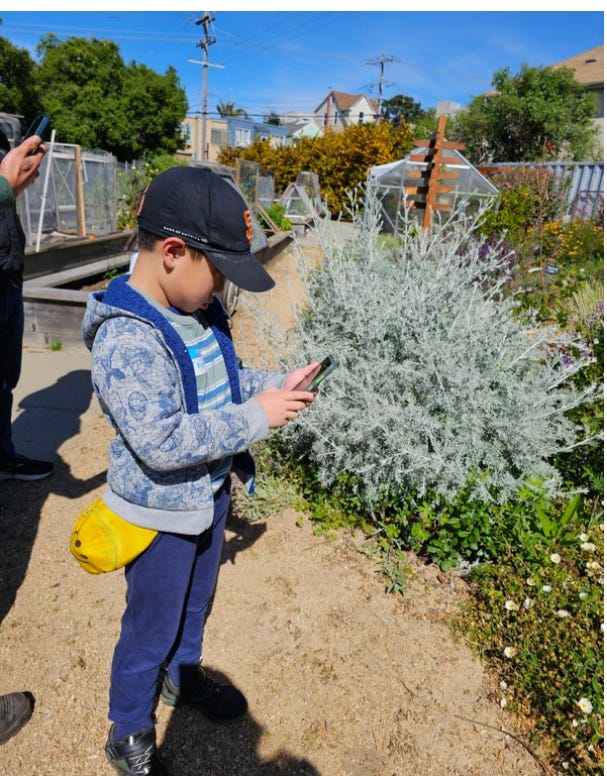
Start observing the plants, insects, and wildlife that we share our neighborhoods with, simply snap a photo of the organism and upload it. iNaturalist will use its identification features to tell you all sorts of interesting details about the species you’re looking at.

These observations do more than just scratch your curiosity; by documenting your local pollinators and plants, you’re contributing valuable data to scientific research.
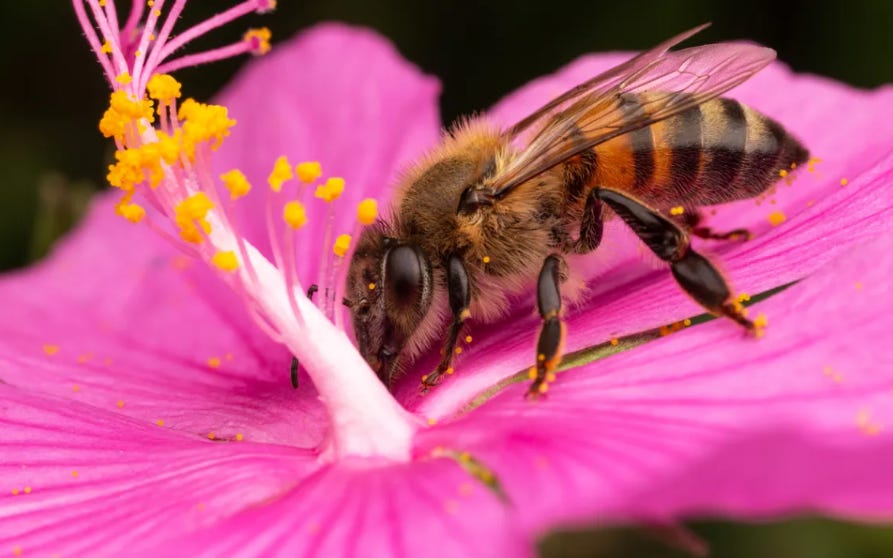
Politics my ass!
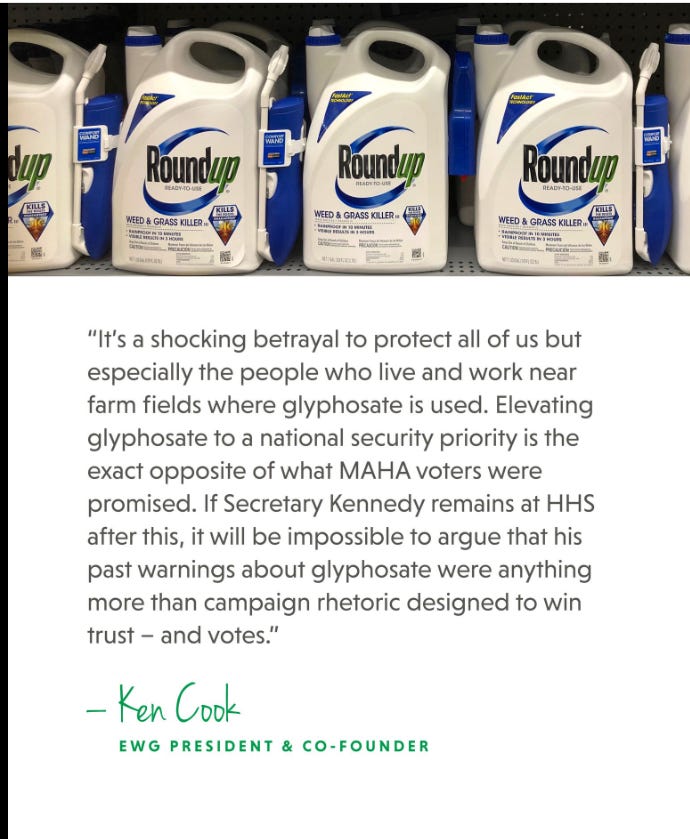
The most widely sprayed herbicide in the world kills honeybees, according to a new report.
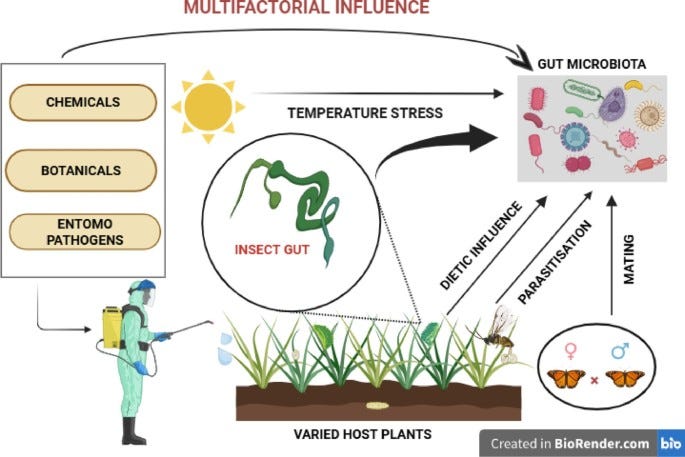
Glyphosate, an herbicide and active ingredient in Monsanto’s (now Bayer’s) Roundup weed killer, targets enzymes long assumed to be found only in plants. The product is advertised as being innocuous to wildlife. But some bacteria also use this enzyme, including a microbiome found in the intestines of most bees. When pollinators come in contact with glyphosate, the chemical reduces this gut bacteria, leaving bees vulnerable to pathogens and premature death.
“The bee itself has no molecular targets from glyphosate,” Nancy Moran, a biologist at the University of Texas at Austin and a coauthor of the study, told Environmental Health News. “But its gut bacteria do have targets.”
Moran and other scientists liken glyphosate exposure to taking too many antibiotics—and upsetting the balance of good bacteria that supports immunity and digestion.
“We all know that glyphosate is an antibiotic. It’s very toxic to bacteria. It’s even patented as an antibiotic,” says Nathan Donley, a senior scientist at the Center for Biological Diversity. “But very few researchers have actually dived into this issue. The good thing is, that’s starting to change.”
To show glyphosate’s effects on gut microbiome, Moran and her team exposed honeybees to various levels of the herbicide, which measurably decreased total gut bacteria. Treated bees were then exposed to a common pathogen, and those with reduced bacteria were more likely to die prematurely. They repeated the experiment on other hives with similar results and published their findings early last week in Proceedings of the National Academy of Sciences.

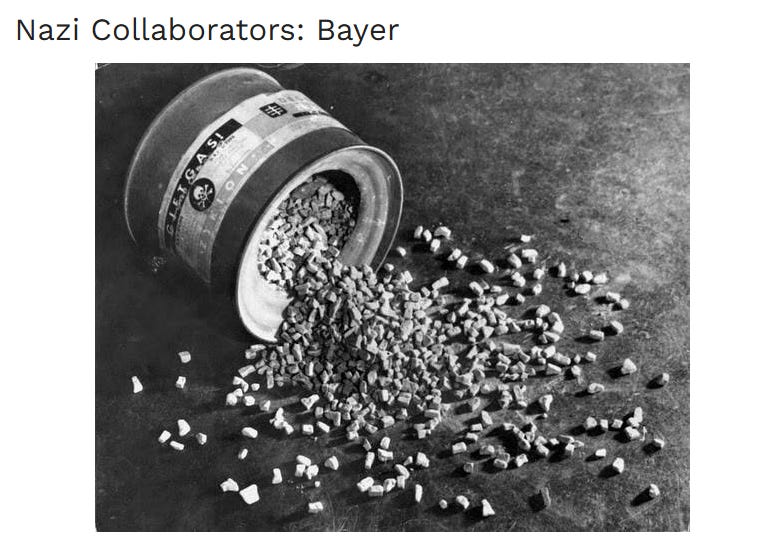
[Bayer was specifically implicated in horrific medical experiments on vulnerable individuals. The company’s representatives and SS doctors used concentration camp inmates to test vaccines and drugs (such as sulfonamides) for typhoid, typhus, and tuberculosis. Many of these tests resulted in high mortality rates or deliberate fatalities. ]
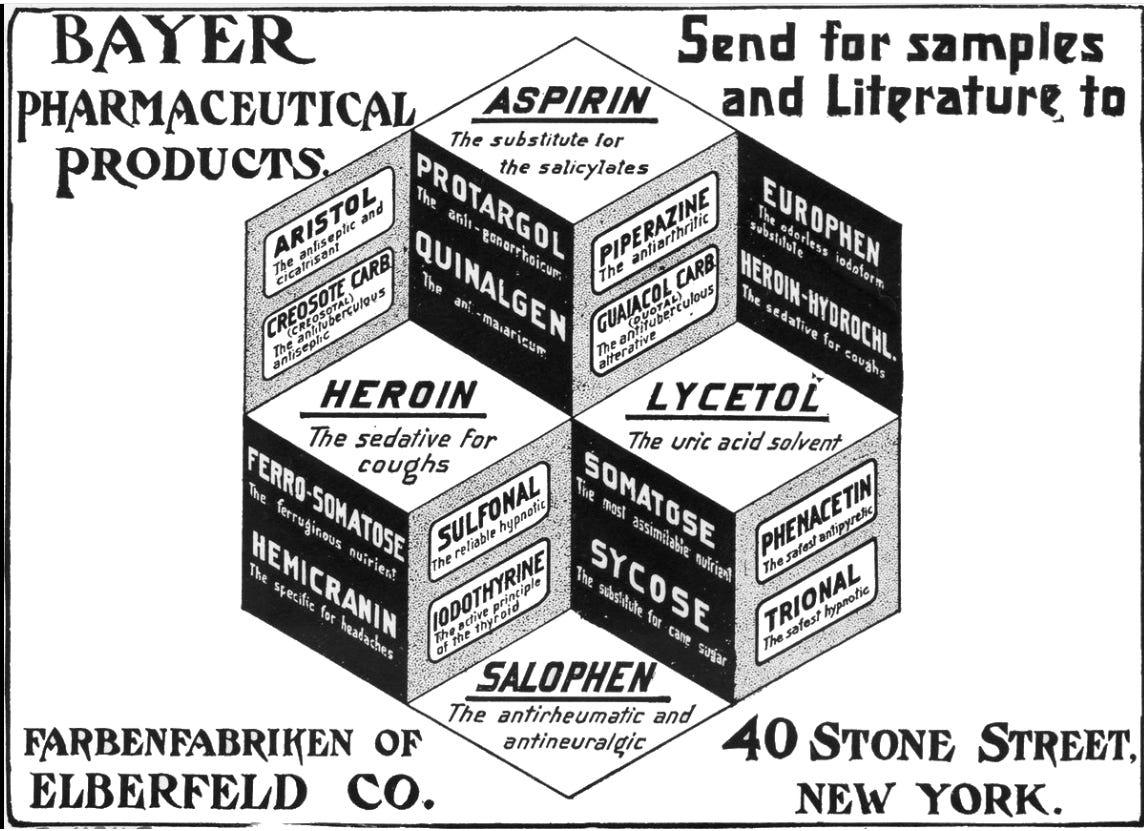
Bayer, which recently acquired Monsanto, is already feeling the heat. In August, a California court ordered the chemical company to pay $289 million in damages after jurors ruled that Roundup caused a terminally ill man’s cancer. On September 18, Bayer asked the court to dismiss the verdict, though the World Health Organization has labeled glyphosate as carcinogenic. The recent ruling also inspired an influx of similar allegations against Bayer’s Monsanto. Over 8,000 people have sued the company for not disclosing its cancer risks.
Glyphosate isn’t the only Monsanto ingredient charged with bee mortality either. The company also sells seed treatment with neonicotinoids, a class of insecticides scientifically shown to kill pollinators like bees and butterflies. In 2013, the European Union banned neonics from outdoor use. The U.S. Fish and Wildlife Service did the same in the wildlife refuge system in 2014, though that ban has recently been rolled back.
Such studies linking glyphosate to bacterial health in bees could lead to a similar pause in the continued use of glyphosate. “We need better guidelines for glyphosate use, especially regarding bee exposure,” Erick Motta, the UT-Austin grad student who led the research, said in a university statement.
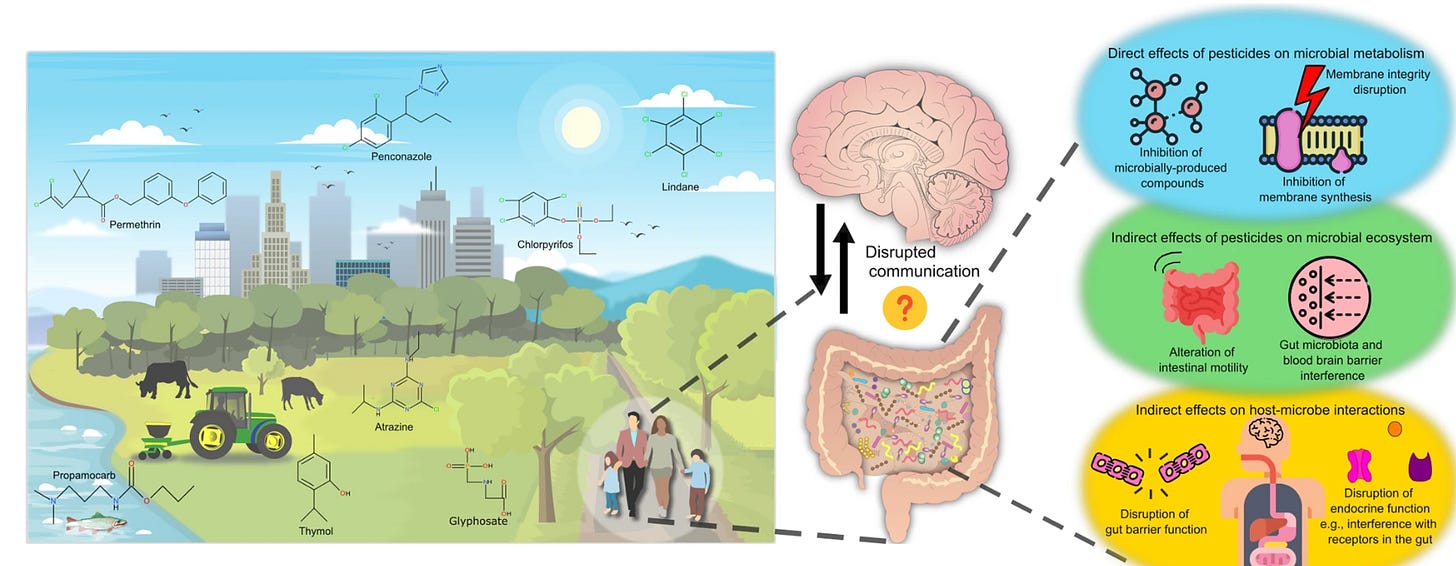
- Low-dose glyphosate exposure modulates gut microbiota composition.
- Depletion of Bifidobacterium and Lactobacillus after glyphosate-exposure.
- Gut microbial alterations are associated with a pro-inflammatory response.
Alterations in infant gut microbiome composition and metabolism after exposure to glyphosate and Roundup and/or a spore-based formulation using the SHIME technology
Politics my ass! Early studies suggest that electromagnetic fields could interfere with bees’ navigation systems, which rely on Earth’s magnetic cues and subtle vibrations. When exposed to these signals, bees may lose their sense of direction, wander aimlessly, and ultimately fail to find their way back home. Though more research is urgently needed, the pattern has become too striking to ignore.
This discovery reminds us that technological progress often comes with hidden costs. While 5G brings faster communication, it may also be altering ecosystems in ways we don’t yet understand. Protecting bees means protecting our food supply, biodiversity, and the fragile balance of nature itself.